

#132: Rails in the Reeds: Life in the Shadows, with Dr. Auriel Fournier – Nature's Archive
Summary
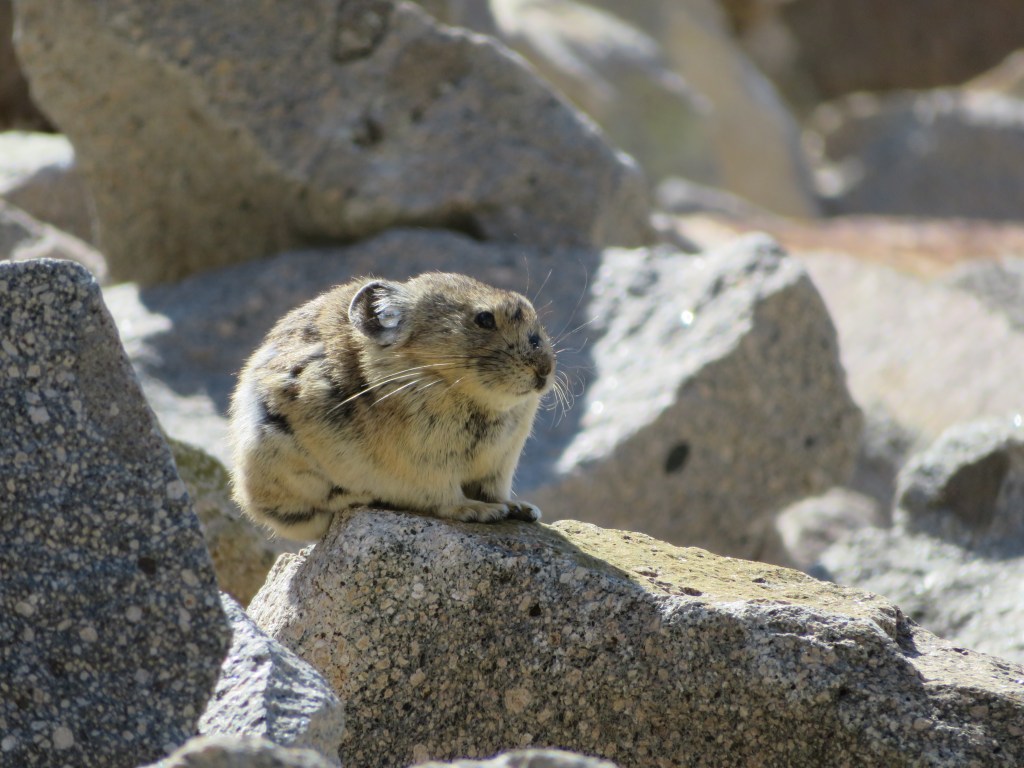
Do you know about pikas? I asked that question to some family and friends and was surprised at the uncertain responses I received. I’m breaking podcast rules now, but if you don’t know about pikas, please stop listening and check out their picture on our show notes. They are super cute, potato sized animals that, at least in the United States, live in rock piles generally at high elevations. They gather bouquets of flowers from meadows, storing them for the long winters they endure.
They’re so charismatic that they really should be the next viral animal that all the kids are sharing on social media.
Today, we have pika expert, Dr. Johanna Varner, or Pika Jo for short. With her guidance, we learn about how these tiny animals are able to endure harsh winters at high elevation – without the benefit of hibernating. We learn how pikas are also indicator species for climate change, and Dr. Varner shares some wonderful anecdotes from the field – as well as how you can help track their populations.
I’m so happy to have finally covered pikas on Nature’s Archive! Be sure to check out Dr. Varner on instagram and her website.
Did you have a question that I didn’t ask? Let me know at podcast@jumpstartnature.com, and I’ll try to get an answer!
And did you know Nature’s Archive has a monthly newsletter? I share the latest news from the world of Nature’s Archive, as well as pointers to new naturalist finds that have crossed my radar, like podcasts, books, websites, and more. No spam, and you can unsubscribe at any time.
While you are welcome to listen to my show using the above link, you can help me grow my reach by listening through one of the podcast services (Apple, Spotify, Overcast, etc). And while you’re there, will you please consider subscribing?
Links To Topics Discussed
The Albino Pika adventure Dr. Varner mentioned
Pika Patrol App: Google | Apple
Rangers of the Lost Park Podcast Episode featuring Dr. Johanna Varner and Karli Weatherill
Photos
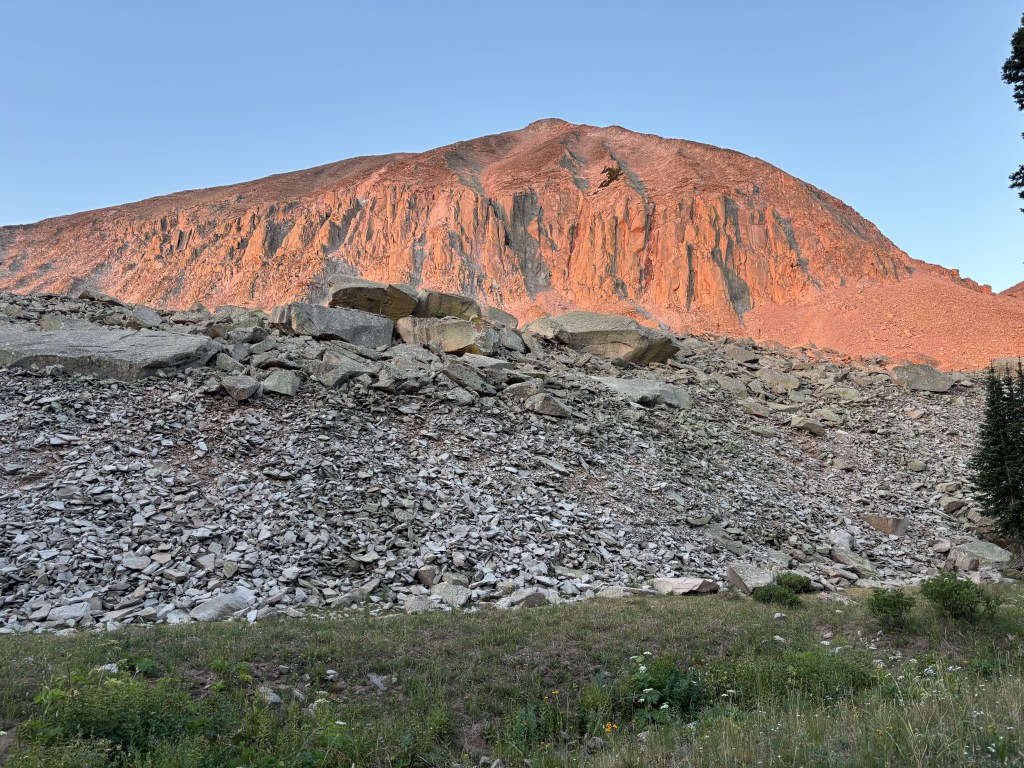
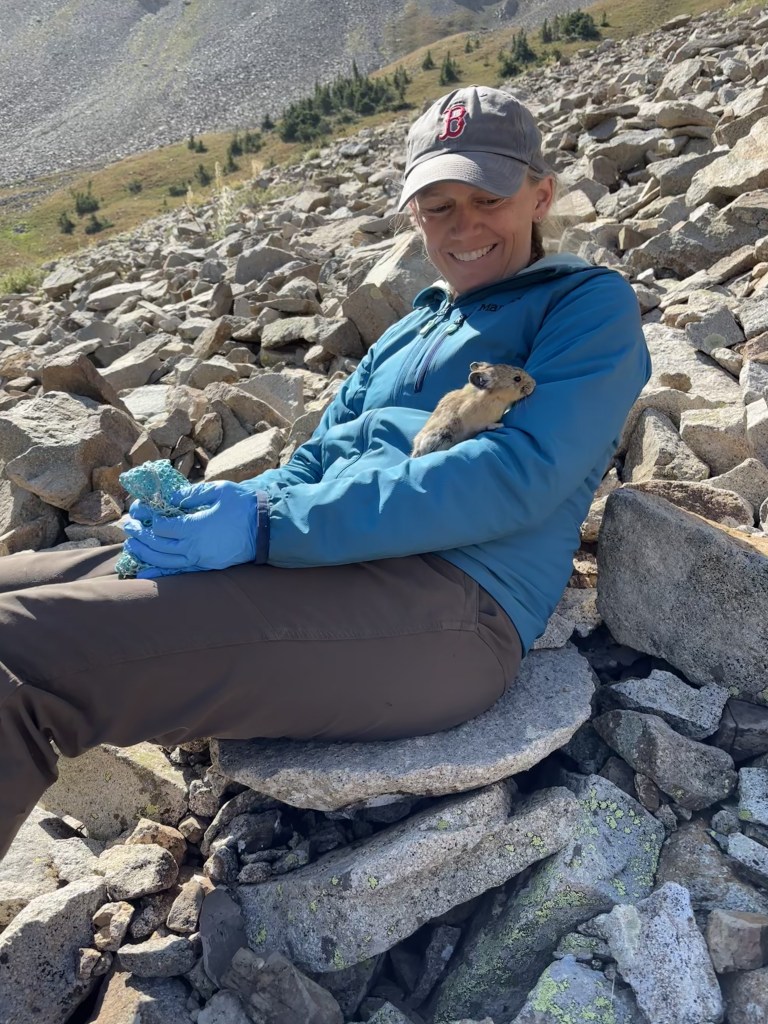
All photos courtesy Dr. Varner
Credits
The following music was used for this media project:
Music: Spellbound by Brian Holtz Music
License (CC BY 4.0): https://filmmusic.io/standard-license
Artist website: https://brianholtzmusic.com
Transcript (click to view)
Michael Hawk owns copyright in and to all content in transcripts.
You are welcome to share the below transcript (up to 500 words but not more) in media articles (e.g., The New York Times, LA Times, The Guardian), on your personal website, in a non-commercial article or blog post (e.g., Medium), and/or on a personal social media account for non-commercial purposes, provided that you include attribution to “Nature’s Archive Podcast” and link back to the naturesarchive.com URL.
Transcript creation is automated and subject to errors. No warranty of accuracy is implied or provided.
[00:00:00] Dr. Johanna Varner: So if we were to scale this into human terms, it would be like us amassing something like 25,000 pounds of food, not counting the packaging that we put our food in, making 5,000 trips to the grocery store, and on every trip to the grocery store, carrying home the equivalent of four heads of lettuce in your mouth.
[00:00:17] So the next time any of you are at the grocery store, I encourage you to just like check out the potatoes and check out the heads of lettuce, and imagine making 25,000 pound trips, to the grocery store, carrying home four heads of lettuce on every trip. And I think it gives you a real appreciation for the amount of work that these animals have to do in order to survive these long alpine
[00:00:37] Michael Hawk: I thought for sure you were gonna say next time you’re at the grocery store, try sticking four heads of lettuce in your mouth, which
[00:00:43] Dr. Johanna Varner: Try that too. And I’ll read about it on national news, and I’ll be like, “I know exactly what that person was doing.” It was like a pika empathy study.
[00:00:51]
[00:00:51] Michael Hawk: Do you know about pikas? I asked that question to some family and friends and was surprised at the uncertain responses that I received. Now, I’m breaking podcast rules, but if you don’t know about pikas, please stop listening right now, if it’s safe, and check out their picture in our show notes. They are super cute, potato-sized animals that, at least in the United States, live in rock piles, generally at high elevations.
[00:01:15] They gather bouquets of flowers from meadows, storing them for the long winters they endure. They’re so charismatic that they really should be the next viral animal that all the kids are sharing on social media. Today, we have pika expert Dr. Johanna Varner, or Pika Jo for short. With her guidance, we learn about how these tiny animals are able to endure harsh winters at high elevation without the benefit of hibernating. We learn how pikas are also indicator species for climate change, and Dr. Varner shares some wonderful anecdotes from the field, as well as how you can help track pika populations.
[00:01:49] I’m so happy to have finally covered pikas on Nature’s Archive. So without further delay, Dr. Johanna Varner.
[00:01:56] Dr. Varner, thank you so much for joining me today
[00:01:58] Dr. Johanna Varner: It’s such a delight to be here
[00:02:00] Michael Hawk: So we were just chatting a little bit here before hitting the record button, and, I was actually referred to you from a previous guest, Dr. Wendy Bohon. And, it, it was such a perfect referral because I’ve always been interested in pikas.
[00:02:16] And, and, and it… Do, do you say pikas or is plural pika?
[00:02:20] Dr. Johanna Varner: Yeah. pikas is the plural of pika. Yeah, but you’ll hear it used both ways out there on the interwebs. But for us pika professionals, pikas is the preferred plural.
[00:02:31] Michael Hawk: , they’re like such interesting animals and, I, I just have never for, I don’t know, I feel silly, but I’ve never put forth the effort to learn much more about them other than like a few bullet points. So today’s my opportunity to really dive in, and I’m, excited to have you here to help.
[00:02:50] Dr. Johanna Varner: Absolutely. I always love talking about pikas with people who are excited to learn about them
[00:02:55] Michael Hawk: And you were telling me that you’re known online as Pika Jo
[00:02:59] Dr. Johanna Varner: Yes. when I was in graduate school, I helped run a program that involved taking seventh graders out to have some experience with pikas and also just to get to see the local mountain ecosystems that they may not have been to. And, some of them dubbed me Pika Jo. And it was just a nickname that I really embraced and that I just love.
[00:03:17] And so now it sort of is my online stage name, I guess, for public engagement activities.
[00:03:23] Michael Hawk: Well, it’s memorable, and that’s helpful.
[00:03:25] Dr. Johanna Varner: Evet
[00:03:26] Michael Hawk: So, maybe just as a teaser, we can start talking about pikas a little bit and then rewind and find out how you got into this field. So can you tell me, like, just summary, what is a pika?
[00:03:36] Dr. Johanna Varner: So pikas are small mammals. They’re closely related to rabbits, and they’re about the size and shape of a russet potato. So your sort of typical baked potato, that’s about the same size and shape as a pika. and they live in rockslides and boulder fields, typically in fairly high elevation ecosystems across western North America.
[00:03:54] So they’re found as far south as southern Utah and northern New Mexico, and then up through the Rocky Mountains, through the Sierras in California, and through the Cascades in the Pacific Northwest. And then the American pika, which is the, the species that we have locally here in the US, extends into southern Canada.
[00:04:13] And then in northern Canada and in Alaska, there’s a second species of pika called the collared pika, that lives there. Most populations live in these sort of rockslides, boulder fields, you know, broken rock features that you found up in the mountains.
[00:04:27] But there are also some pika populations that live in these kind of atypical habitats like lava flows or lava beds. They actually are found in parts of California in like Lassen Volcanic National Monument and Lava Beds National Monument. and there’s a pretty unique population that lives in the Columbia River Gorge, near sea level, at super, super low elevations, which has been a focus of some of my work as well.
[00:04:49] Michael Hawk: Yeah, super interesting. and there are other species of pika around the globe as well?
[00:04:54] Dr. Johanna Varner: Yeah. There are about 30 something additional species of pikas in, parts of like Russia, Siberia, China, the Tibetan Plateau, parts of India and Nepal in the Himalayas, and then they go basically as far as parts of Mongolia and the Gobi Desert. And there are some pikas there that live in these really crazy places where they kind of build these homes of little pebbles under big boulders.
[00:05:16] it’s kind of a dream of mine to get to go and see other species of pika in the wild.
[00:05:22] Michael Hawk: Um, you probably get this question all the time, but I’ve heard or seen references to, Pikachu being a pika or some sort of connection there. Can you tell me what you know about that?
[00:05:34] Dr. Johanna Varner: It’s my understanding that Pikachu is based on a pika, but that it’s also kind of somehow crossed with a lightning bolt. And I think that the word Pikachu in Japanese, I understand, is also– so take this with a grain of salt, I don’t actually speak any Japanese. but that it is like an onomatopoeia of the sound that lightning bolts make in Japanese.
[00:05:57] So it sort of is like pika plus, like, bang, like lightning bolt sound. and, yeah. So pikas on Earth don’t have tails, but Pikachu does have a tail, which I can only surmise means that it got that trait from its lightning bolt parent.
[00:06:15] Michael Hawk: I love that you said, that Pika’s on Earth because it now opens up a whole other potential world of Pikas on other
[00:06:22] Dr. Johanna Varner: I have this great T-shirt of like pikas in space and they’re like jumping across the moon and, you know, so who knows? let’s not let, you know, reality tamper our imagination
[00:06:33] Michael Hawk: I think a lot of people when they see a pika think first that they’re a, a rodent of, of some kind. So it’s that clarification that they’re actually more closely related to rabbits is, I think, always an interesting fact. And the other thing you mentioned on the Pikachu, uh, story, I, I sometimes help out with a field ecology class that goes through the Sierra Nevadas, and there’s a few spots we go where we try to find, pikas.
[00:07:01] And the professor always comments that she thinks they should be called peekas because it sounds closer, the onomatopoeia kinda sounds more like the noise, the little cute noise that they make. so that’s always a debate. Like, why, why aren’t they called peekas?
[00:07:18] Dr. Johanna Varner: Yeah. Well, some people do say that, and you know, of course there is Pikachu, but I think most people say pika, and, I’m not really sure what the etymology of that word is
[00:07:28] Michael Hawk: Can you tell me a little bit about what that call is for, what they’re doing?
[00:07:32] Dr. Johanna Varner: I think this is one of the things that actually is most charming about pikas, is that they make these little alarm calls, and they, they’ll call to each other to warn each other about predators or to, to sort of sing out that this is mine and defend their territories. And they sound, you know, majestic, like a little squeak toy.
[00:07:49] Um, and they actually have these different dialects. So a lot of them, um, have kind of a, a sound like this. Um, sounds sort of like a meep. Um, and then some of them have more, you know, the more voice like eh, And, uh, and so there’s, like, a lot of geographic variation in their call. The, the pikas that I work with in the Lasalle’s even have a two-tone call that’s like, So as you can see, I speak many different pika dialects.
[00:08:17] Michael Hawk: Can you actually, like, attract them? I know, like, some birders will play back calls or ornithologists will, will do that. Does, does that work?
[00:08:24] Dr. Johanna Varner: Yeah. I, I don’t think it works when I make the calls. I think if they are calling back, it’s more like, “Hey, there’s like a weird primate on the trail making weird noises. You guys should know about that.” I don’t think that they’re like, “Oh, hey Pika Jo, how are you?” maybe in my dreams.
[00:08:43] Michael Hawk: To me, one of the most fascinating parts of learning about pikas is how they live. And I’m gonna just plant that as a teaser, and we’ll come back to that in a moment. But, I’m, I’m also interested, like one of the themes I’ve seen in Nature’s Archive is so many people that I’ve had as guests have not had this like clean, linear path to the field of study or whatever their profession is.
[00:09:12] And it seems like that’s the case for you as well. So can you tell me a little bit about your path? Like, you know, were you interested in pikas as a kid, in nature as a kid, and how did you get to where you’re at today?
[00:09:26] Dr. Johanna Varner: I would say my path has definitely been on the nonlinear side, but that there’s a couple of, I think, nice lessons in there for people who are sort of trying to find their own paths too. So, I grew up in Salt Lake City in Utah, and, in a family that, you know, we definitely spent a lot of time outside, and so we definitely grew up valuing nature and visiting national parks and, spending time outside, and going to wilderness areas and stuff.
[00:09:49] And, when I was a little kid, I wanted to be a marine biologist, but those hopes were very quickly dashed the first time I went deep sea fishing and discovered that I’m very, very seasick.
[00:09:59] And I was just like, “Oceans are not for me.” Um, and, and I, grew up being really interested in math and science. I was really fortunate to be admitted to attend MIT for undergraduate. And when I went there, I thought maybe I wanted to study either, neuroscience or maybe astrophysics. And, — in my freshman physics class there, I kind of discovered that I wasn’t quite as enamored with physics as I had thought that maybe I was.
[00:10:26] So I started out as a neuroscience major, and then I– There were a couple of aspects of that curriculum that I wasn’t that excited about. Became a biology major and a biomedical engineer, actually.
[00:10:36] I spent a lot of time in, a couple of different research labs in undergrad. one of them was studying the genetics of how, brain cells differentiate and become certain fates. And the other one, I actually stayed and did a master’s in biomedical engineering, and I designed a microfluidic device for three-dimensional culture of single neurons.
[00:10:56] both of those experiences were– it was research that was important, but the part where what I was doing actually, made the world a better place was, 20 or 30 years down the line from where I was. And the day-to-day work was a lot of time in a cold, dark room by myself, looking at stuff through a microscope.
[00:11:13] And I felt like I needed a career that maybe had a little bit more sunshine and a little bit more interaction with people, and maybe a little bit more kind of, direct link to how I was really helping s-society with the science. And so I took a little bit of a break. I worked at a bakery. I actually went to New Zealand, and I worked on organic farms.
[00:11:34] And that was a really interesting experience because the family that I lived with for a long time was really into, like, organic farming practices. And so at first, they thought I was a bioengineer, and they were like, “Ooh, you’re really into the bad stuff.” and I was like, “Oh, that’s really interesting.”
[00:11:48] And we ended up having this really interesting conversations where I’d feel like I could sort of represent to them a little bit more about what I was doing and, and why it was important. And they also helped me understand that there’s a lot of people who spend a lot of time thinking about, , how organisms interact with the environment and how human activities affect that balance of those interactions.
[00:12:08] And so when I came back from New Zealand, I had learned about pikas first on the first “Planet Earth,” the BBC version with David Attenborough. there was a plateau pika segment, and I was like, “Oh my gosh, this is my new favorite animal.” And I had, you know, previously sort of hijacked all of my college boyfriend’s family vacations to Colorado to like, “Oh no, we’re not doing that.
[00:12:30] Today we’re gonna go look for pikas.” And they were like, “Again?” And I was like, “Yes, again.” And, I was back from New Zealand. I was kind of trying to figure out what I was gonna do. I was ready to maybe undertake something a little bit more academic than working at the bakery. And, there was a newspaper article, on the front page of the Salt Lake Tribune about pikas, and in it, they interviewed a woman who had done her PhD on pikas.
[00:12:51] And I was like Wait. Time out. People study pikas? Like, I mean, I know that I, I kind of wanted to study marine biology as a kid, but, like, it just honestly had never even occurred to me, that, that this was like a whole group of people who actually study these things.
[00:13:09] And so I sent her probably one of the most interesting emails she’s ever received in her life that was like something like, “Dear Dr. Dearing, my name is Jo. I have a master’s in engineering from MIT. I think I wanna be a pika biologist when I grow up. What should I do?” and she ended up meeting with me.
[00:13:24] She politely recommended that I take an ecology class, which I did. And, I ended up working in her lab for about a year and a half on a different project looking at hantavirus in mice in the desert. And during that time, I discovered I really liked working with animals outside in the field, and I had a really good relationship with my mentor, which I knew was really important in terms of success in graduate school.
[00:13:44] So when the grant ran up, and that project had to be wound down, I actually applied to stay in her lab as a graduate student, and that’s when I started studying pikas. So I was in graduate school for five years at University of Utah, and then I got my faculty job at Colorado Mesa University, where I am right now, right as I was finishing up my PhD, and I’ve been here ever since.
[00:14:07] Michael Hawk: Is that in Grand Junction?
[00:14:10] Dr. Johanna Varner: Yep. Yep. So it’s in the western Colorado. Yeah, it is. It’s super beautiful
[00:14:14] Michael Hawk: And, are there any pikas, like, right there in the vicinity, like at Colorado National Monument or, or you have to go a bit afield?
[00:14:21] Dr. Johanna Varner: you have to go a little bit afield just because we’re at a relatively lower elevation. We’re about that 5,000 feet, and pikas around here start at closer to 10,000 feet. But we have the Grand Mesa, which is sort of about an hour from my house to get to the pikas. And, my current research has been in the La Sal Mountains, which are just across the border, into Utah, and it’s just a couple hour drive to get up there, to see the pikas.
[00:14:43] So very close.
[00:14:45] Michael Hawk: I’ve never worked in an organic farm or anything like that, but a few aspects of your story, uh, the themes anyway, do resonate with me because, uh, I too very much, I think, kind of siloed myself. I didn’t, you know, I, I thought the, the opportunities for careers were, were very rigid and, would never have thought that you could study pikas either.
[00:15:05] How many, people like you are there that like focus the core of their research on pikas?
[00:15:11] Dr. Johanna Varner: Yeah, there are, um, actually more than you might expect. We form a research group called the North American Pika Consortium and, of which I am the past president. And the, we hold a, a pika conference, every other year. So, there’s, I don’t know, 20 something people probably whose, you know, primary research focus is on, in pikas or using pikas to answer questions about, population genetics or thermal adaptation, et cetera.
[00:15:39] Michael Hawk: What are the big questions you’re looking to learn about pikas or from pikas that might resonate with a broad audience?
[00:15:48] Dr. Johanna Varner: Yeah. I mean, what I’m kind of most interested in is this is a species that has been identified by a lot of different state wildlife agencies as a species of conservation concern. there have been a lot of population declines and other things that are a little bit more subtle than population declines, like reduced juvenile survival or recruitment into the population, or reduced genetic diversity, or higher levels of stress, that have been linked to warming summers and reduced winter snowpack in lots of parts of their range.
[00:16:17] but as a whole, the species is actually still, you know, doing fairly well, right? They’re not one of these species that’s, like, hanging on by a thread. And there’s a lot of geographic variability in how the species is doing. So some populations of pikas seem to be doing really well. Some of them seem to be not doing very well.
[00:16:35] And, and so I’m really, really interested in trying to understand, like, what can we do to like, you know, potentially help this species. And obviously, paying attention to climate change is a piece of that puzzle, but it’s also a little bit more than, like, any one researcher or, you know, small group of people can really, like, grab onto and do something about.
[00:16:56] So we’ve been trying to design these research projects to try to understand what kinds of things managers can actually have an effect on in the environment that can have positive effects for the conservation and, you know, continued existence of this species so that they can continue to bring people joy for many years into the future.
[00:17:15] Michael Hawk: speaking of joy, you know, I’ve, I– This last week in my day job, I’ve asked a few people like, “Hey, have you ever heard of a pika? Do you know what that is?” I’ve asked some family members as well, and I, I’m surprised that more people don’t know about them. Like, they, they should be one of those animals that is, like, catching fire on social media and going viral.
[00:17:35] we need to, we need to work on that.
[00:17:37] Dr. Johanna Varner: Yeah. Yeah. Yeah. I will say that I feel like I am seeing a lot more pika content going viral on social media now compared to some of the last few years, and maybe that’s just that a lot of people are sort of looking for joy in social media, and here’s this really cute animal. but maybe, maybe we’re right there. You know, maybe pikas are about to
[00:17:59] Michael Hawk: On the verge, yeah
[00:18:00] Dr. Johanna Varner: just find this adorable pouch at my local REI store recently, so I think that, that there are, there’s more pika swag being put into the world as well.
[00:18:12] Michael Hawk: capybara or axolotl or whatever’s been, you know, going viral here recently.
[00:18:17] Dr. Johanna Varner: Exactly. But public service announcement, you can’t keep them as pets, so don’t try, please.
[00:18:22] Michael Hawk: Yeah. And, and I think that will become obvious as to why as we, as we get into this. So why don’t we do that? you mentioned that they really like these, like rocky slopes. so like what is it about the rocky slopes that’s so core to their lifestyle?
[00:18:36] Dr. Johanna Varner: the thing about pikas is they have this really high metabolic rate, which leads to a really high resting body temperature. So a resting body temperature for a pika is somewhere around 104 degrees Fahrenheit. if either of us had a, a fever of 104, I’d be saying like, “You probably wanna get tested for flu and maybe think about going to a hospital if it doesn’t go away.”
[00:18:54] but for a pika, that’s just sort of everyday life. And they also have a very narrow margin between their resting body temperature and their lethal body temperature, which they can reach very easily, just by running around in the heat too much. So like us, pikas won’t just like run around in the heat until they keel over dead.
[00:19:14] instead they’ll restrict their activity. So if you think about if being in like Las Vegas or Phoenix during the summer, it’s really hot out there, and it would be possible if you wanted to, to run around until you died of heat exhaustion. But you wouldn’t do that if you- could avoid it. You would duck in somewhere to air conditioning and, and cool off.
[00:19:31] And pikas do the same thing during the summer. So when their activity starts to generate too much body heat, they’ll take a break, they’ll hang out below the rocks. And these rocky surfaces in a lot of mountain ranges are also associated with like a, they call it a rock glacier. It’s actually like a, an ice field underneath the rocks that helps to keep the temperatures much cooler and more stable throughout the day, so that the pikas have this sort of, you know, air condition equivalent space to be able to go to when the temperatures get too hot.
[00:20:02] and the reason that they have to be super active during the summer is also really interesting, because a lot of animals that live in the alpine, They, put on a bunch of body fat and then they hibernate. So, you know, think about bears and marmots. They basically go out and spend the summer putting on body fat and going to sleep and just, you know, saying, “I’m out of here until things get better.”
[00:20:23] but pikas are physiologically not able to put on that body fat, and there’s something about their metabolism that makes it a little bit hard to slow down in the winter in the same way. And so instead, what they have to do, because there’s not a lot to eat during the winter that lives in rockslides that are covered by, you know, three to 10 feet of snow, what they have to do is actually collect all the food that they’re gonna eat during the winter, during the short alpine summer when there is grasses and wildflowers in the meadow.
[00:20:50] And so a single pika has to make something like 5,000 trips to the meadow, and back, carrying home, you know, a whole bunch of plants in their mouth in order to build a food cache that is about 60 pounds. And 60 pounds may not seem like that much food, but if you were to scale this, you know, remember pikas are the size of a potato, right?
[00:21:12] So if we were to scale this into human terms, it would be like us amassing something like 25,000 pounds of food, not counting the packaging that we put our food in, making 5,000 trips to the grocery store, and on every trip to the grocery store, carrying home the equivalent of four heads of lettuce in your mouth.
[00:21:29] So the next time any of you are at the grocery store, I encourage you to just like check out the potatoes and check out the heads of lettuce, and imagine making 25,000 pound trips, to the grocery store, carrying home four heads of lettuce on every trip. And I think it gives you a real appreciation for the amount of work that these animals have to do in order to survive these long alpine
[00:21:49] Michael Hawk: I thought for sure you were gonna say next time you’re at the grocery store, try sticking four heads of lettuce in your mouth, which
[00:21:55] Dr. Johanna Varner: Try that too. And I’ll read about it on national news, and I’ll be like, “I know exactly what that person was doing.” It was like a pika empathy study.
[00:22:03] Michael Hawk: so these trips to the meadow that they have to take, like how far do they stray? Like, first of all, let me even back up just from a terminology standpoint. Would you say that they have burrows in these rocky outcrops, or is their home, you know, is there a different term for, for that home that they create?
[00:22:21] Dr. Johanna Varner: Yeah,American pikas, they live in these broken rock features, and they just make use of the space between the rocks. so I always tell people if you’re trying to decide if a rock slide is suitable for pikas, you could basically imagine, like, if you had a potato in your hand, could you, like, noodle that potato around in the rocks without making hash browns?
[00:22:40] And if so, then it’s probably kind of a suitable space for them. , But just as a side note to that, there are species of pikas in Asia, like the plateau pika in the Tibetan Plateau, , and they do dig burrows and actually excavate burrows and live communally. They’re ecologically really similar to prairie dogs.
[00:22:58] but the rock-dwelling pikas don’t do any excavation or, like, modification of that space. They might, like, make, like, a little nest or den kind of situation in there by bringing plants in, but they won’t, like, kick out dirt
[00:23:12] Michael Hawk: Are they then stuffing these grasses and wildflowers just into all the available spaces in that rock slide?
[00:23:20] Dr. Johanna Varner: it seems to vary based on individual kind of by personality. So some pikas build like a giant pile and it’s just like stacked up in this big giant pile. And some of them like stick it under rocks, like just sort of everywhere. So you’ll get there and there’s like a 10-foot radius of just like little bits of stuff stuck everywhere.
[00:23:38] And some of them do kind of, have kind of a main cache under a big rock and then like little bits in different places. And, I’ve always thought that’s really an interesting kind of behavioral variation, in this species that some of them, they just construct their hay piles really differently.
[00:23:53] Michael Hawk: So if they’re building a big pile, I’m imagining like the stereotypical pika in your area that’s at 10,000 feet in the middle of winter, they’re not hibernating. They need access to their food. If it’s just a big pile, then they’re having to like go and experience the harsh winter weather at that elevation?
[00:24:12] Dr. Johanna Varner: Well, sometimes, but a lot of times these areas end up under a really thick layer of snow. And so the– even if it’s a big pile at the surface of the rock slide, it still would be under, you know, between three and eight feet of snow. And it turns out that the snowpack actually acts as like a layer of insulation, and you could think of it as sort of like a blanket that keeps the, the rock slides where the pikas are and the spaces between the rocks right at zero degrees Celsius or 32 degrees Fahrenheit.
[00:24:40] So for anybody who’s ever spent time in the mountains in the winter, for example, if you’re a skier or a, snowshoer you would know that the temperatures that you would experience at the surface of the snow are very frequently colder than 32 degrees. but for the pikas, it’s actually stays right at 32 once you get this thick layer of snowpack.
[00:24:58] and that’s one of the things that’s a little bit of a concern from climate change is that as that snowpack reduces, the pikas are actually ironically exposed to much colder temperatures over the winter. so in, for example, this past winter across the Mountain West was like historic low snowpack in parts of Utah and Colorado, and we saw that in the data loggers that we looked at this summer where we’re actually measuring temperatures at the pikas’ hay piles.
[00:25:22] There were a lot more really cold days that those animals experienced this year compared to a lot of previous years.
[00:25:29] Michael Hawk: Yeah, that makes a lot of logical sense too. He’s like, I think gardeners might recognize if you live in a harsh climate, if, if there’s a super cold snap, the plants that you have are more likely to make it through that cold snap to the next spring if there was snow cover at the time, because it is insulating.
[00:25:46] So the, the pikas then don’t have any problem like burrowing around in the snow to reach their caches?
[00:25:54] Dr. Johanna Varner: Yeah, I mean, I think, there’s– I think that they’re still able to access sort of their, their little runways and areas under the rocks. I’m not sure if they actually, like, excavate snow at all. , I’ve been trying to work out some sort of study that would require me to do more backcountry skiing in the winter, um, for science.
[00:26:15] And maybe that’s a, maybe that’s a promising future direction, yeah, for science.
[00:26:21] Michael Hawk: Yeah, makes sense. You can kinda, reverse engineer that in.
[00:26:25] Dr. Johanna Varner: I’m still working on it.
[00:26:26] Michael Hawk: So I think you kind of alluded to the fact that they, they’re plant eaters, right? they don’t eat insects, they don’t eat other animals, anything like that
[00:26:34] Dr. Johanna Varner: Yeah. They, they primarily eat grasses and wildflowers. occasionally sometimes, you know, shrubs or, or trees that have low-hanging branches. there is kind of an interesting, anecdote that made the, the rounds, this was probably 15 years ago, that there was a, there was this, National Geographic video that talked about pikas eating bird brains.
[00:26:55] And it was like, you know, the, the video was sort of like this, like cute, cute animal, but it has a dark side and they eat brains. And, we saw that when I was in the field with some of my students, and I was like, “Okay, let’s take a look at this. Maybe this could be an opportunity for some – information literacy training.”
[00:27:11] And we were able to track that citation, the, the, that video source to this National Geographic article from the mid-’90s, that wasn’t available online. But as would luck would have it, my parents had a stash of every National Geographic, magazine since we moved to Utah in 1983, until the, the present.
[00:27:31] This was probably 2012. And my dad was actually able to find that article, in the basement and send us a copy. And, what they found was that there were some dead birds that– So they were in these really weird, habitat in the Canadian Arctic called nunataks, which are like these rock islands in an ice field.
[00:27:51] , so the pikas that are living there are like basically kind of stuck on these rock islands where there’s really not a lot to eat compared to the American pikas that have these big, lush alpine meadows. And there were migratory birds that sometimes would die on the rock, on, on their migration.
[00:28:08] And if you’re a migratory bird that dies on your migration, there’s probably not that much of you that’s worth eating beside
[00:28:16] Michael Hawk: Oh, yeah, because they’re probably, like, kind of emaciated.
[00:28:19] Dr. Johanna Varner: yeah, exactly. So, so there’s, they… And they, they had some, like, gnawing on the skull that was consistent with, with brain eating. So we don’t– I, I think that that is a really rare and unusual case, and I share it just because I think it’s kind of an interesting story also in how we were able to kind of track down the, the root of what was in this video.
[00:28:39] but I think it’s, it’s exceedingly rare that pikas will eat things like other dead animals or insects, .
[00:28:46] Michael Hawk: So in terms of their standard diet then, are there specific species that they rely on? Are there any sort of obligate relationships that they have?
[00:28:53] Dr. Johanna Varner: No, they’re what we call generalist herbivores, which just means that they kind of eat a little bit of this and a little bit of that. they’re not really able to specialize on any one particular class of, like, toxic plants or plant toxins, so they, they, you know, they can’t eat too much of certain wildflowers that contain too much of certain kinds of chemicals that could make them sick.
[00:29:15] and the, you know, they basically deal with that, through the solution being dilution, right? That they eat a little bit of this type of, of plant that has these chemicals in it, a little bit of this type of plant that has these chemicals in it, a little bit of this.
[00:29:28] the population that I worked with in the Columbia River Gorge actually ate a lot of moss, which is really unusual for mammals because it is very, very low in nutrients. But, pikas have this digestive situation where they actually have a big sac off of their large intestine where they house microbes.
[00:29:45] those microbes break down the fiber in the plants that the animal can’t break down itself. but it’s after the point where they could digest those nutrients. So of course, in order to get those nutrients, they actually have to squeeze it out and then eat it again. So we’re covering brain eating, poop eating, all of the highlights here.
[00:30:02] Michael Hawk: Well, you know, I know I’ve heard, I’ve heard of that in other species as well, so I guess I’m not that surprised, but
[00:30:09] Dr. Johanna Varner: Yeah. And if you have a dog, you probably have experienced it in some capacity.
[00:30:13] Michael Hawk: Uh, same reason in dogs
[00:30:16] Dr. Johanna Varner: In dogs, I think it might just be that they like the taste. At least that’s my experience.
[00:30:24] Michael Hawk: So in terms of like site selection, you know, I guess aside from that Oregon population, they’re, you know, they’re generally in similar elevations, these, these rocky fields. Are there other elements to, what makes for a good pika habitat?
[00:30:39] Dr. Johanna Varner: I think when you think about like what makes a good pika habitat, basically the essentials are that they have to have some access to vegetation as their primary source of food, and that vegetation basically has to be either available all year, or it has to be available in large enough quantities during the summer that they can harvest it and make do during the winter.
[00:31:00] there’s also, you know, this access to these microclimates that help to mediate the, hot summer temperatures and, and that gets enough snow or has some other feature to help keep it warmer in the winter. and within those, we, we actually, you know, we see pikas living in a really big diversity of different kinds of habitats from, you know, lava beds to lava flows to, talus and, and, you know, sometimes you’ll even see hay piles kind of in these like cliff bands, which is, I think, pretty cool, kind of up against a talus field.
[00:31:31] Michael Hawk: And who are they, competing with in those habitats?
[00:31:35] Dr. Johanna Varner: There’s very little literature that conclusively demonstrates competition between pikas and other species. but hypothetically, there are lots of other small mammal herbivores, in particular things like marmots or, wood rats that can live in the same habitat and probably eat the same species.
[00:31:52] And it’s also possible that they’re competing with, larger herbivores like mountain goats or, even livestock in some places. And that’s something that my collaborators and I are kind of looking at, because that kind of competition with these larger herbivores, in particular livestock, that’s something that we can have a little bit more control over if it is affecting pikas.
[00:32:12] Michael Hawk: Yeah, it seems like maybe it’s just because they love to just lay out and sun themselves, but, it’s a lot easier to see marmots, and that, always brings to mind the question of, if there’s an obvious marmot, is it less likely then to see a pika even if all other aspects of the habitat are suitable?
[00:32:30] Dr. Johanna Varner: Yeah. I don’t, I don’t know for sure. I think that somebody, I, I think that there’s a graduate student actually who’s looking at that right now. but I’m not sure what his results are. What I can say is that marmots have a much wider, like, distribution and habitat tolerance than pikas. So you find marmots at like lower elevations and in a much wider variety of habitats.
[00:32:51] they’re not quite as constrained to these like rock slides, lava beds, boulder fields. So you basically can find marmots everywhere that you find pikas, but you don’t find pikas everywhere you find marmots.
[00:33:02] Michael Hawk: Makes sense. So you’ve touched on so much already, but, I think a lot of people are familiar with the idea that, species can be like elevationally constrained in the face of climate change. So that seems like just connecting the dots that that’s one concern that there would be for the pika because they can’t like necessarily keep going up the mountain.
[00:33:24] And then from a geology standpoint, there may be fewer of these rock piles as you go up as well.
[00:33:29] Are there other aspects that make pikas more vulnerable to climate change? Or maybe you can just tell me more broadly about sort of like how pikas are, you know, indicator species or, affected by climate change.
[00:33:46] Dr. Johanna Varner: I think what makes pikas unique compared to a lot of other animals, there’s a few things. One is that they, you know, they have this, this foraging constraint where they have to spend a bunch of time during the summer being active to collect enough food to be able to survive the winter.
[00:34:00] So they can’t just like sit out a bad summer and hang out below the rocks and wait until the weather gets cooler, because if they’re not active during that time when the vegetation is available, then they won’t have enough to eat later. and, you know, and I don’t know how they know how much they need to collect, but we do see like when you compare across different populations, they tend to collect food in proportion to the length of the winter.
[00:34:28] So populations that have relatively shorter winters, you know, may not have as much of a problem because they don’t have to collect as much food. And so it’s okay if they’re a little bit less active during the summer during those high temperatures. but these higher elevation ones that have, you know, two or 150 days of snowpack a year or more, you know, especially in really high snow years, really have to collect a lot of food in order to be able to make it.
[00:34:52] I think another thing that makes them a little bit vulnerable compared to a lot of other species is that they’re really small, and they can’t move between mountain ranges. so if there’s like a really bad situation that happens and it wipes out a population of pikas, especially if they’re on these more kind of isolated mountain ranges that are not locally connected to other high elevation habitat, like where I work in Utah in the La Sal Mountains, they’re, the mountains are surrounded by desert, Red Rock Utah desert for 40 miles in all directions.
[00:35:23] And if something were to happen to that population of pikas in the La Sals, they couldn’t just sort of like come over from Colorado to recolonize that habitat. And so as, you know, you could think of climate change as kind of being similar to sea level rise in some capacity where, as the, the boundary of unsuitably warm temperatures moves upslope, in addition to reducing the amount of habitat that they have access to, it is also basically like fragmenting the habitat into these mountains that used to be able to go between, but now the lowest elevation between them is too hot and dry, for them to move because they just can’t, you know, they don’t move super far.
[00:36:03] Michael Hawk: I think you started to touch on one of the questions I was gonna have is like, if these ranges are so isolated, how did they get there in the first place? which is interesting to think about.
[00:36:12] Dr. Johanna Varner: I think our best understanding of that is really that they probably were, you know, at the last glacial maximum, right? All of these higher elevation places were completely under ice, and so the pikas were kind of commingling in the valleys. and we have this genetic evidence as well that, you know, really beautifully shows that after the last glacial maximum, the pikas is when basically the different lineages of pikas started to become isolated on these different mountain ranges.
[00:36:37] Michael Hawk: Is there evidence, like in the fossil records, that pikas used to live, like during glacial maximum periods in other parts of the United States, like in the eastern part?
[00:36:48] Dr. Johanna Varner: I don’t think that they’ve ever been in the eastern part. Um, I think that there is fossil evidence of pikas in some, for example, like cave systems across the west at much lower elevations. but from a biogeographic history, they’re thought to have come across the Bering Strait with like the moose and the bears.
[00:37:05] And so, you know, I think that they, they basically came across from, you know, part of Siberia down through Alaska and down through Canada. but they never made it to the east in North America.
[00:37:18] Michael Hawk: Maybe the next Ice Age.
[00:37:21] Dr. Johanna Varner: Or somebody will put one in their pocket and take it to, you know, Mount Washington. Maybe that’s not a great
[00:37:26] Michael Hawk: Yeah, Yeah, probably not. you had, shared with me a, another interview that you did with a student of yours, Carly Weatherill. About some of the, some of the s- long-term studies that you’ve done in the La Sal Mountains that you’ve been talking about. so I, I, I found it really fascinating, and I will link to that other podcast as well in the show notes, because that’s, like, an interesting story for a variety of reasons as well.
[00:37:48] But, I, I was hoping you could sort of recap a little bit about what that study was about and, what the, you know, what the interesting takeaway was from it.
[00:37:59] Dr. Johanna Varner: So we were really interested in that study. We’ve been doing this long-term mark-recapture study where we’ve actually been trapping pikas, putting in colored ear tags so that we can identify them individually through binoculars and by their territories. And then we’ve been monitoring their survival, and we’ve been collecting scat, from each individual.
[00:38:18] And we take that scat back to the lab in the fall and actually extract stress hormone metabolites from the scat that can tell us a little bit about the baseline levels of stress that that animal is experiencing. When you’re stressed out, your stress hormones circulate in your blood, and then eventually the liver metabolizes those hormones and excretes them into the, into the gut for, , excretion.
[00:38:39] And, , the level that is in scat in pikas reflects an average of circulating stress hormones over the last, like, 12 to 14 hours. And so it’s not affected by being in the trap, and it’s not affected by, like, if you just got chased by a predator or something. but it tells us a little bit about sort of like the average or baseline levels of stress.
[00:38:59] And animals that are, have higher levels of stress on sort of over long periods of time, — we know that they oftentimes don’t survive as well and that they also are a little bit more susceptible to, like, diseases and, and, you know, are having kind of a harder time. And so our idea here was really trying to use stress as an indicator of, habitat quality within a population to try to understand are there any habitat factors in this population that really, are associated with individuals having long lives or lower levels of stress or both.
[00:39:33] what we found in that study was actually that we, you know, we measured temperatures in each pika’s territory, and we measured, the vegetation sources that are available to them, and then we also looked at a bunch of physiological predictors from when we c-captured the animal, like parasite load and, and, you know, its body condition and stuff like that.
[00:39:50] What was interesting about that is that what we found is that across the different ways that we looked at the data, the amount of grasses or graminoids, which is basically grasses, sedges, and rushes, in the pikas’ territory was consistently among the top predictors of stress, where basically the population level stress was always highest in the hottest years and — lowest in the coldest years, and that makes sense, based on what we’ve just been talking about.
[00:40:16] But within each year, pikas that had access to more grasses in their territory tended to have lower stress than the pikas that had less access to those grasses. And that was really exciting and interesting for us because, it is something that, you know, if that graminoid cover is again affected by competition with grazing or, other kinds of things that we can actually manage for, that could point us towards ways that we could help this species weather, you know, the next 10 or 20 years
[00:40:44] Michael Hawk: That got me thinking too, if there’s like a high elevation wildfire that goes through, then that really impacts the meadows, the grass availability. I mean, it sounds like the pikas are really gonna struggle.
[00:40:58] Dr. Johanna Varner: I have actually had the unfortunate opportunity to study fire, and its effect on pikas a couple of times, particularly in the Pacific Northwest. and basically what we found was that the pikas were able to recolonize burned habitat, once there was kind of a threshold of vegetation that came up.
[00:41:15] But at least on the good news front about pikas and wildfire, one thing that we did find is that the temperatures in the rock slides during the fire were actually quite cool. And so I think that it’s, you know, it– for a fire, it really kind of depends on the timing of the fire. If the fire comes through in the spring, and then there’s time for that meadow to kind of come back, and there’s time for the food to rebuild, and it doesn’t burn their hay piles, it’s a lot less impactful than if it comes through in the fall and potentially even, like, burns their hay piles.
[00:41:48] That happened the first time that this happened to me, and it was just, like, heartbreaking to come back to these places where we, you know, had these animals that we’d been watching all summer the year before, and their hay piles were little piles of crispy ashes. I’m not gonna lie, I just sat down and, like, started crying.
[00:42:03] Um, it was, it was, it was pretty
[00:42:05] Michael Hawk: Yeah, definitely heartbreaking.
[00:42:09] So even though I’ve learned today that there are more people like you out there studying pikas than I realized, I know you can’t be everywhere all the time, , so participatory science and even community science can be helpful. so I, I understand that you’ve started or you’re, Maybe I don’t, I don’t know.
[00:42:28] Did, did you start Cascades Pika Watch?
[00:42:31] Dr. Johanna Varner: I was in the
[00:42:32] room. where it
[00:42:33] Michael Hawk: Yeah. So why don’t you tell me about that and a little bit about how people can help with monitoring pikas?
[00:42:40] Dr. Johanna Varner: I mean, I feel like when I started my PhD, I was really interested in this idea of, of helping people, like, go out and observe pikas for a couple of reasons. One is to, to actually make some connections with the local ecosystem. They are, you know, they’re just super cute, and they’re oftentimes kind of, as you mentioned before, like, people don’t necessarily notice them, and maybe they hear their calls and they think it’s a bird.
[00:43:03] I’m always surprised at how often I’m out hiking in the rocks and, and people ask what I’m doing, and I tell them I’m looking for pikas, and they’re like, “Well, what’s that?” And, so, So, I think that pikas are a great kind of platform for helping people make a connection with the local ecosystem and, and that when you care more and are more connected with the local ecosystem, then you might be more likely to take action to help protect that natural area.
[00:43:27] but on top of that, they’re also a great platform for, you know, helping people make local observations about the effects of climate change in, their backyards and their stomping grounds. and, the pikas lend themselves to this kind of participatory monitoring super, super well. They’re active during the day.
[00:43:44] They’re really easy to identify. they’re very detectable because of those calls, and they make these big hay piles that are easy to see in certain times of the year. And, that means that if they’re present, it’s very easy for volunteers with fairly minimal training to be able to identify them, which is not the case for a lot of other species.
[00:44:03] and then in addition to that, they live in these beautiful places where people like to recreate anyway. And so they’re kind of a perfect species for this kind of volunteer-based monitoring program. And so yeah, when I was working on my PhD, looking at these really low elevation, crazy moss-eating pikas in the Columbia River Gorge, I was fortunate enough to be invited to a group of people at the Oregon Zoo who were interested in developing a citizen science or participatory monitoring project, for the species.
[00:44:30] And so I’ve been able to, provide some scientific guidance and also some, some volunteer training, agenda and, and trying to, you know, match the training to the data collection and, and just, you know, really bring pikas out into the community, in Portland and in the Columbia River Gorge. And that project started in 2011, and it kind of hobbled along.
[00:44:49] and then there was actually a big wildfire in the Columbia River Gorge in 2017, the Eagle Creek Fire, and the Cascades Pika Watch really, like leapt into action, after that fire to help monitor the recovery of the pika population. So we got a grant from the Forest Service to help support training volunteers to survey, areas in the gorge looking for the species after the fire.
[00:45:12] the program had to take a pause during COVID, But, we were able to kind of revive it in 2023. And since then, we’ve been engaging somewhere around 1,000 volunteers every year, to be trained and to go look for pikas. and they’ve been really effective at documenting that population recovery following the fire.
[00:45:32] so it’s a really fun program. it’s– it has a big impact on volunteer experience and their sort of identity as a scientist and their interest in kind of taking action, for conservation in their community. And it’s generated this really powerful, really rich data set as well, since, I can’t be everywhere and even though there are dozens of pika scientists, we can’t be everywhere.
[00:45:53] , The other really cool thing that we’ve done in the last few years also is develop this app. It’s called Pika Patrol, and anybody listening who has a mobile device can download it for free on either the Apple or the Google Play stores. And, you can submit a pika observation anywhere that you are.
[00:46:09] So, anywhere, even if you don’t live in pika habitat, but you visit pika habitat and go on a pika hike, you can, submit photos of a pika, you can submit audio of the pika calls, you can tell us about your experience, and you can even tag local participatory science projects so that they will also get your observation, for their records as well
[00:46:30] Michael Hawk: That sounds great. And I– we talk a lot about iNaturalist on the podcast as well. I’m curious if, if someone is feeling like app overload, is there still benefit to you when people submit observations to iNaturalist?
[00:46:48] Dr. Johanna Varner: Yes, definitely. , Submitting observations to iNaturalist, and I think that there’s a, a project on iNaturalist called the American Pika Atlas. but we do o-occasionally actually download observations from iNaturalist for different kinds of studies. still super valuable. I think the Pika Patrol app is a way to feel like you’re kinda contributing to something a little bit more special, a little bit more niche.
[00:47:08] But it definitely, if it feels like app overload to get an extra app, then absolutely use iNaturalist. It’s still super valuable
[00:47:17] Michael Hawk: And one thing I c- for people like you that get to go to these incredible places as part of your research, I know that you accumulate amazing stories, in nature, not always related to your species, sometimes related though.
[00:47:32] But I’m wondering, do you have any sort of like top of head, chaotic, surprising, I don’t know, stories?
[00:47:40] That you’d like to share?
[00:47:41] Dr. Johanna Varner: during my PhD, I basically spent four summers camping in the Columbia River Gorge in the rain, trying to catch pikas to basically do a study like what I’m doing now. We were hoping to tag them individually and monitor their survival. But in order to do that kind of study, you actually have to catch them.
[00:47:56] And the pikas in the Columbia River Gorge were just like, for whatever reason, uncatchable. Like, they wouldn’t go in the traps. I had some of my collaborators who have a lot of experience come out, and they were like, “Yep, you’re not doing anything wrong. They’re just not, they’re just not into it.” And so we got kind of creative, you know, basically with like, what could we put in the trap that would entice, the pikas?
[00:48:17] And, and you know, I tried buying like flowers, from a florist to put in the trap, like thinking maybe they would go for something that was like unusual. I tried using like these like cookies that I really like. Um, we actually tried recording a territorial long call from one pika from a different site and putting the, like, microphone in the trap.
[00:48:38] The only one that ever fooled was me. Um, I was like, “We got one.” And then I was like, “Oh, a nut.” Um, we even tried, one of my favorite, and this, you know, it got kind of a little bit out of hand. It became a little bit of like a Wile E. Coyote, Roadrunner kind of situation where we would sit around at night like, “What can we try tomorrow to, to catch those pikas?”
[00:48:55] You know, basically we had at our disposal a Walmart at Hood River, and that was it. So it was like all kind of cobbled together stuff that you could buy at Walmart. And we tried building this big net that we were gonna lay on this rock. and we had a string around the outside of the net, and then that string went up and over a tree branch.
[00:49:13] And then my student JJ was sitting on the other side, and then JJ would like, you know, when the pika got on the net, JJ was going to like pull the string and like net the pika. it would cinch up the net, and that never worked. Like we tried it several times and then the pika never got on the net.
[00:49:30] JJ got kind of tired of holding the string. and I don’t blame him, but it was kind of a difficult job. So, we ended up kind of having to pivot that study away from having marked pikas. But I do wanna say that then when I started working in the La Sals, for this current study, it was really gratifying to me that I was like, you know, set the traps and everything worked like it was supposed to.
[00:49:52] Like my trap success is literally 150 times more successful than it was during my PhD, and I don’t have to camp in the rain quite as much. So I just feel like I’ve kind of made it now.
[00:50:04] Michael Hawk: I wonder what it is about that population that made them so wary
[00:50:07] Dr. Johanna Varner: I think my best guess is that this population is able to– like, the rock slides are covered in this thick layer of moss. The moss helps actually act like, It helps regulate the temperature, and they can eat it, which means that they don’t have to go out of the rock slides to forage. And as a result, they also show a lot less, like, territorial behavior.
[00:50:26] And so I think part of why pikas go into traps in the first place is, like, that they’re kinda cheeky to, like, check out what’s in their territory. But if you’re less territorial and less hungry, then you might see the trap and be like, “Meh, I’ll be over here.”
[00:50:41] Michael Hawk: Yeah. And I guess, yeah, that maybe is an accumulation of lived experience as well. So like those pikas in other areas that have kind of had to go more further afield and have encountered more things, get a little more used to the unknown and the uncertain.
[00:50:54] Dr. Johanna Varner: The novelty.
[00:50:55] Michael Hawk: one thing I do wanna ask you before we draw it to a close, it’s one of my standard sort of, wrap-up questions, and that’s if you could magically impart one ecological concept to help the general public see the world like you see it, what might that be?
[00:51:11] Dr. Johanna Varner: I think for me that probably would be something about how like nature is so interconnected and, you know, I think that we kind of tend to, and I’m guilty of this sometimes too, of like just thinking about the pikas. But, you know, as soon as you start kind of pulling on the pika thread, you discover that the pikas have effects on the meadow vegetation.
[00:51:31] they have effects on the rock slide, like the geology and hydrogeology of like moving plants into rocky areas where there are no plants, and they also are a food base for some of these predators. And, you know, it’s kind of one of those things where as soon as you kind of start pulling on one of these threads, it, you, you can’t really isolate anything from everything else, right?
[00:51:50] No species exists in a vacuum, and everything is super connected. And the other thing that I think is really sort of compelling about that story is that it also, that includes us, right? So, there’s this great story about these plateau pikas in, the Tibetan Plateau, and the way that they dig their burrows actually has these major effects on the ways that the soil holds and releases moisture.
[00:52:13] And this essentially affects like the, the stream flow rates of the headwaters of like the Yangtze and the Ganges Rivers, which serve,, three billion people, as, you know, their drinking water. And, and the amount of water in that, those rivers and the way that people have access to that water i- is affected by this little animal that lives in these valleys, you know, thousands of feet higher.
[00:52:35] And so I just think that, trying to think a little bit more about ourselves as being part of nature as opposed to being apart from it, and then also seeing that, the same kinds of ties that bind all of those other species together, include us, I guess is something that I wish, more people could see the way that I do.
[00:52:52] Michael Hawk: For sure. For sure. That is the, the nut we need to crack. , There are a couple of sort of basic pika questions that I realize I didn’t ask. and that, you mentioned that, you know, the pika’s living in these habitats and all the impacts that they have.
[00:53:07] you said that they’re also, a food source. So like who, who eats pikas?
[00:53:12] Dr. Johanna Varner: It’s primarily weasels is the most effective, hunter of pikas. And the reason for that is that they are able to follow the pikas, you know, noodle them around, under the rocks and through the hidey holes, that something like a hawk or a coyote would not be able to get to. But, hawks and coyotes a- and bobcats and stuff like that do occasionally get pikas, but they’re just much less effective than the weasels are
[00:53:35] Michael Hawk: and pikas are generally solitary
[00:53:38] Dr. Johanna Varner: . So they are individually territorial. so they have a territory and they defend that territory, but they live in these kind of colonies, of individuals all, that all share the same rock slide. And they do warn each other about predators, so they’ll call and help each other out a little bit in that way.
[00:53:53] So it’s more like, “Hey, uh, over there, I don’t want you to be eaten, but, like, don’t come eat my food.”
[00:53:58] Michael Hawk: Yeah, yeah. That’s exactly where I was going. Like, I, I know like with prairie dogs, you mentioned earlier, they have specific alarms for different types of threats that are coming in and, and all that. So they, they do, they do help each other out a little bit.
[00:54:12] Dr. Johanna Varner: Ja,
[00:54:13] Michael Hawk: do you have any upcoming projects, any studies, anything, that you want to tell our listeners about?
[00:54:20] Dr. Johanna Varner: we are consistently working, to sort of analyze data from lots of things that, we still have data for. So I’d say there’s some interesting stories that will be coming out in the next few years. but I would just say from a listener perspective, like take a look at, projects that might exist near you where you could get involved in pika monitoring, because we need all the help that we can get.
[00:54:42] and it’s really fun. Like you get to go hiking with a purpose and look for these cute animals that are easy to spot, but they’re just difficult enough to make it, you know, there’s some sport to it. it’s not guaranteed. And, it’s really a delight to get to watch them run around and gather flowers.
[00:54:58] they look like they’re carrying little bouquets of, of flowers across the talus if you can catch them in late August or early September. and there are projects for, monitoring pikas all over their range. if you don’t live in pika habitat, you can still download the Pika Patrol app and then go, look for them.
[00:55:15] So I think that’s one of the things I’m most excited about is actually the opportunity to kind of dig into the data that volunteers are generating and, see what those data are telling us about this species and also about the experience for the volunteers.
[00:55:30] Michael Hawk: Yeah, that sounds great. but where can people follow you or your work or your lab’s work?
[00:55:35] Dr. Johanna Varner: Yeah. I am a medium, I would say. I, I’m kind of a B minus social media influencer. but you can definitely follow along @DoctorPikaJo. Um, so the word doctor and then Pika, P-I-K-A, and then Jo, J-O. Um, and I do sometimes post sort of interesting, things that we find or interesting findings or things that my students are up to or, or publications there
[00:55:58] Michael Hawk: Sounds great. Of course, those will all be linked in the show notes.
[00:56:01] Dr. Johanna Varner: Awesome
[00:56:02] Michael Hawk: before we call it a day, is there anything else that you wanna say?
[00:56:08] Dr. Johanna Varner: it’s always a pleasure to talk about pikas, and, yeah, go look for them. Pikas make people smile, and, I think that’s one of the things that make them so powerful just is that they’re, they’re just really fun animals and, and, I just feel really fortunate to be able to do what I do
[00:56:24] Michael Hawk: I’ll have to go through your social media and find some of the highlights and link to a few of those in the show notes too, just to give people a taste of what they’re missing.
[00:56:32] Dr. Johanna Varner: we did recently get to go on an adventure with some of my collaborators to find a albino pika in Colorado, and there’s a video on, about that little journey. it was really cool. one of the coolest pika experiences that I’ve had. So we’re following up on that
[00:56:49] Michael Hawk: Great.All right. Well, Pika Jo, thank you so much for spending so much time with me today and, and sharing your experiences here. and, I really appreciate it. I appreciate you and, and your lab and all the great work that you’re doing.
[00:57:03] Dr. Johanna Varner: Always a pleasure. Thanks, Michael

