

#128: iNaturalist: How Your Photos Save Species: Scott Loarie on iNaturalist and Community Science – Nature's Archive
Summary
Long time listeners know that I’m a huge fan of iNaturalist. Their app literally changed my life by dramatically improving my relationship with, and knowledge of nature.
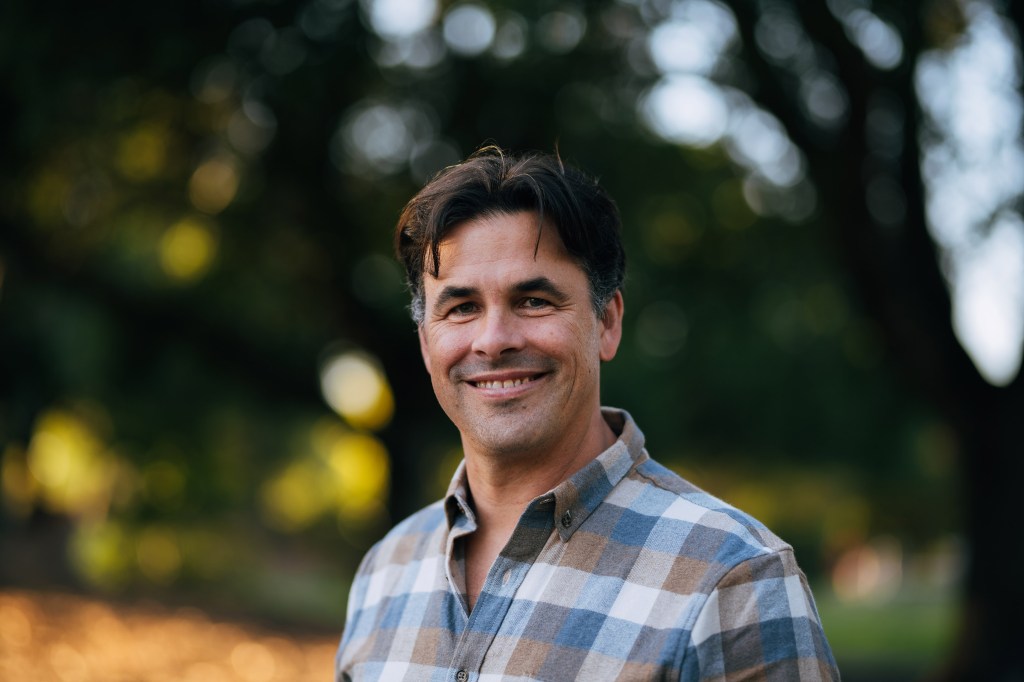
And iNaturalist is much more than just a nature identification app. When you use iNaturalist, yes, you get a helping hand in identifying plants, animals and fungi. But you’re also contributing to perhaps the largest community science dataset on Earth, which starts to get to the heart of iNaturalist’s mission.
After our Jumpstart Nature episode on iNaturalist, I received many questions about how iNaturalist works – just how does it know how to ID so many organisms? How are sensitive species, such as rare plants that are subject to poaching, protected?
And with the increased concern about the environmental impact of certain types of AI, how does iNaturalist’s AI, called Computer Vision, compare?
So who better to answer those questions than Scott Loarie.
And if you enjoyed this episode, be sure to check out the Jumpstart Nature Podcast! Episode #5 profiles three creative and inspirational uses of iNaturalist!
Be sure to check out the iNaturalist blog and newsletter as well!
Did you have a question that I didn’t ask? Let me know at podcast@jumpstartnature.com, and I’ll try to get an answer!
And did you know Nature’s Archive has a monthly newsletter? I share the latest news from the world of Nature’s Archive, as well as pointers to new naturalist finds that have crossed my radar, like podcasts, books, websites, and more. No spam, and you can unsubscribe at any time.
While you are welcome to listen to my show using the above link, you can help me grow my reach by listening through one of the podcast services (Apple, Spotify, Overcast, etc). And while you’re there, will you please consider subscribing?
Links To Topics Discussed
California Academy of Sciences
iNaturalist, their blog, and their newsletter
Jumpstart Nature Episode 5 profiles inspiring uses of iNaturalist
Credits
The following music was used for this media project:
Music: Spellbound by Brian Holtz Music
License (CC BY 4.0): https://filmmusic.io/standard-license
Artist website: https://brianholtzmusic.com
Transcript (click to view)
Michael Hawk owns copyright in and to all content in transcripts.
You are welcome to share the below transcript (up to 500 words but not more) in media articles (e.g., The New York Times, LA Times, The Guardian), on your personal website, in a non-commercial article or blog post (e.g., Medium), and/or on a personal social media account for non-commercial purposes, provided that you include attribution to “Nature’s Archive Podcast” and link back to the naturesarchive.com URL.
Transcript creation is automated and subject to errors. No warranty of accuracy is implied or provided.
[00:00:00] Scott Loarie: And it is just amazing to think about that within the next 10 years, we really could stop species extinction. We could get grassroots communities of iNaturalist around the world collecting the data and acting on that data in a way that we really could do something that’s been such an unachievable dream.
[00:00:17] Michael Hawk: That was Scott Loarie, ecologist and executive director of iNaturalist. Longtime listeners know that I’m a huge fan of iNaturalist. Their app literally changed my life, dramatically improving my relationship with and knowledge of nature. An iNaturalist is much more than just a nature identification app when you use it, yes, you are getting a helping hand in identifying plants, animals, and fungi.
[00:00:42] But you’re also contributing to perhaps the largest community science data set on Earth, which starts to get to the heart of iNaturalist mission. After our Jumpstart Nature podcast episode on iNaturalist, I received many questions about how it works. Just, how does it know how to identify so many organisms?
[00:01:02] And how are sensitive species, such as rare plants that are subject to poaching, how are they protected? And with the increased concern about the environmental impact of certain types of ai, how does iNaturalist AI called Computer Vision compare? Should we worry? Well, you’ll find out. So who better to answer those questions than Scott Loarie.
[00:01:27] Hey Scott, thank you so much for joining me today.
[00:01:29] Scott Loarie: Hey, Michael. Great to be here.
[00:01:30] Michael Hawk: We were commenting before I hit record how, we’ve, been in similar circles many times, but haven’t actually met in person until now. So I am glad to finally have the opportunity to talk to you this way.
[00:01:40] Scott Loarie: Yeah, no feeling’s mutual. I’m a big fan of everything you’re doing and followed you for a long time, so it’s great to get a chance to talk.
[00:01:46] Michael Hawk: Yeah, so I think we’re gonna have probably a very typical Nature’s archive discussion today, where it’s gonna be a little meandering, we’re gonna cover a lot of grounds. But in particular, I love iNaturalist. I think most of my listeners are uh, familiar with iNaturalist. ’cause do discuss it very frequently.
[00:02:01] Before we get into that though, I always like to learn a little bit about my guests, and I know you’ve had very long interest in nature.
[00:02:08] How did that start?
[00:02:09] Scott Loarie: Yeah, I think it started growing up in Northern California. I grew up along the Russian River and I think my childhood pretty much consisted of catching bullfrogs, which is, it’s interesting ’cause you think about how different that is from typical kids’ childhoods now where we’re so on online and it’s such a different experience.
[00:02:26] I do think that kinda kicked off my interest in nature. And I don’t know why. I’ve always just had this fascination with nature and I went into academia, you know, biological sciences and ecology, just because that seemed to be the only path to stay close to nature. But I think over time I realized that it wasn’t so much the science that really got me excited.
[00:02:45] It is just being close to these critters and my enthusiasm for them and trying to get other people excited about nature as well.
[00:02:52] Michael Hawk: I understand correctly, you’ve spent a notable amount of time as a field biologist and I would love to hear about some of your experiences out in the field.
[00:03:01] Scott Loarie: As an undergrad, I just helped out on a lot of grad students projects, which was really fun and something I definitely encourage people to do if you’re an undergraduate there’s all these grad students who just need help. And I remember like amazing things like there was this amazing grad student named Margie Mayfield, and she’s like, I have. $300 and I need someone to go down to this place in Costa Rica with no electricity and look for this plant so I can know if it’s like worth me going down there. And it’s not gonna be enough money for you to rent a car. So I suggest you get a horse and be like, this is amazing.
[00:03:32] You know, this is the most incredible thing possible, getting paid to go down to this tropical rainforest and get a horse and look for this plant. And it was like Indiana Jones, right? And that was my whole undergrad, I was the undergrad for hire for a lot of different projects.
[00:03:45] And I worked on, Enola lizards and the Caribbean. I worked on the plant in Costa Rica. I worked on, stuff around, my campus. I was on Stanford campus has three endangered species. It has the, California tiger salamander, the red-legged frog and steelhead. So I was one of the, we call ourselves the creek monkeys and we were just walking around in the creeks looking for these things.
[00:04:03] And then I was just hooked. I worked a lot at a reserve at Stanford called Jasper Ridge. And then um, when I started going into grad school, I worked a lot on Neotropical birds. We were putting radio tags on birds and trying to understand how they’re moved between different habitats.
[00:04:17] And I really got interested in animal movement. And those radio tags were not very good. They weren’t like GPSs. Now you can put GPS tags on birds, but back in those days, you could only do that for big ungulates.
[00:04:28] So that led me to a Africa where you could put these GPS collars on things like elephants and lions and buffalo. And so I spent my PhD putting collars on elephants and lions and buffalo across southern Africa. And that was world changing for me. But then, you know, I came back from that and, was really interested in just sort of the nature in California and this idea that conservation I think happens best when it happens locally.
[00:04:50] And it’s a weird look to be a field ecologist, you know, flying down to Costa Rica and flying down to Southern Africa. And I always felt like as a native California, you know, my role was to be here doing conservation here in California.
[00:05:03] And so I really got interested in the California flora and that’s where my interest in climate change and things like the American Pica that live in the, in the Sierra Nevada and this idea of like, how is climate change in influencing these species here? And in California we have a really interesting crunch between this amazing endemic community, these really drastic land use changes and this climate forcing function that’s just forcing all these things to move across this fragmented landscape.
[00:05:28] so I was really interested in that kind of during my postdoc years. And I felt like the question people are always like, okay, what do we do? What do we do? And you’re like we just don’t have any data. How are we supposed to know what we’re gonna do if. We don’t even know where these things are.
[00:05:41] We have no idea where these things are. Like the only way to know where these things are is to go to a museum and you’re gonna get records from a hundred years ago. And I remember things like the Foothill Yellow-legged Frog, which is one of these critters that I used to play with in the Russian River.
[00:05:53] The museum record show that thing going all through Southern California. It’s gone from all those areas, but we only know that if we look at new records, and when you’re looking at the pace of this data was coming in so slowly.
[00:06:05] And like around 2008 when GitHub came out and the iPhone was a novelty. And I was at Stanford as a postdoc at the time and I just, I was just like this technology is, is so powerful. And that’s when I met Ken-ichi who had just started iNaturalist as his master’s project at Berkeley.
[00:06:19] And I was like, this is it. I, I want to do this. And I leapt immediately from academia over to over iNaturalist and haven’t looked back.
[00:06:26] Michael Hawk: You set that up beautifully, with the problem statement and how it led you to iNaturalist.
[00:06:30] So maybe you can tell me a little bit about how iNaturalist is addressing this problem set that you just described.
[00:06:37] Scott Loarie: I think at its core iNaturalist is citizen science or community science. And what I love about community science is it really is one of these rare win-wins where you can get people to care because there’s something so exciting about, for lack of a better word, it’s like the thrill of scientific discovery.
[00:06:55] I think people know when they’re participating in like a cat video online versus like they’re really, there’s something so earnest about learning and understanding something and filling a knowledge gap and citizen science offers that. So I think it really plays an important role of getting people to care, like giving some sort of mission behind why should we pay attention to nature.
[00:07:14] But then the other side of it, you can do science that you cannot do alone. So it is this win-win where you can engage people in ways that are really hard to do otherwise. ‘Cause I think once people taste that sort of scientific discovery. It’s kind of an aha moment where, oh, this is really interesting.
[00:07:30] And also, you can do science at these scales that would take so many more people to try to have the same impact. So that’s, I think what iNaturalist is trying to do is it’s trying to solve those two problems is how do we get people to care? How do we get people, maybe not off the screen since we are engaging people through an app, but how do we get people off of the cat videos and actually paying attention to the world around them and creating tools to help them do that, help them care.
[00:07:54] And then at the same time, how do we scale data collection? Because like I was saying, I think probably your audience is, is very familiar with this, but so many people don’t realize how little we know about the natural world. And this task of preventing species extinction, you think we share the planet with 2 million species.
[00:08:10] How do we go about protecting 2 million species when for so many of them we don’t know anything about them. And that’s where I think this idea of just getting basic information on data is so powerful what you can do when you work together and get lots and lots of people working together.
[00:08:25] Michael Hawk: I love it because I think part of what’s happening here, just my observation of, the people that I’ve engaged with through iNaturalist, you have biologists, you have birders, you have, people really into herping, botany, everything. And then you also have regular people just curious about what they see on their hikes or in their backyard.
[00:08:44] And that second set of users, I don’t think they’re thinking about the fact that they’re contributing to community science, but they are. And you’re getting them on the ladder, whether they take it beyond that or not, probably doesn’t matter too much ’cause you’re still getting data.
[00:08:58] I’m curious to you when you think about iNaturalist as an app, whether it’s a mobile app or people are using it on their desktop, who is your target user? Are you aiming for this broad swath of people.
[00:09:09] Scott Loarie: Yeah, I think I fundamentally believe that, the environmental movement needs a big tent. Like we’re only gonna have the impact if we have broad appeal from this whole spectrum that, as you say, spans from professionals and scientists and the sort of true believers too. Regular mainstream people.
[00:09:27] And I think that’s hard to do. It’s really hard to build coalitions like that because people have different motivations. But I think that’s really important. And iNaturalist is a good example. Like the process of actually turning these photographs into real scientific data and impact, relies on these incredibly knowledgeable experts and identifiers who are volunteering, thousands of hours of their expertise to this site.
[00:09:48] INaturalist would not be possible without them. And so we have to find ways to keep that community engaged, keep them motivated. But at the same time, I think most of us iNaturalist would agree that we don’t want to just be preaching to the choir. We need to be reaching people who otherwise are not plugged into this.
[00:10:05] And that’s where there’s this sort of, evangelical side of this too, what can we do to get, nature just on people’s radar in a way that it isn’t? And that’s where I hope that like I said, the sort of hardcore iNaturalist who are really generously volunteering so much expertise and time to iNaturalist.
[00:10:19] See that, even though it may be kind of frustrating to have some students posting some blurry photos that maybe we’re gonna touch some of these students and get people who might not even. Be awakened to this whole world of nature. Get them on that track by having this experience.
[00:10:33] And I think there’s so many stories on iNaturalist like this is one that just popped into my head, but like this, Hood Winker Sunfish washed up on the shore of a beach and this group of students saw it and took pictures of it and posted it, and they just thought it was at the common ocean sunfish here.
[00:10:45] And it turns out it’s a Hood Winker Sunfish, which is only found in Australia and on iNaturalist, through this teacher, you know, they’re communicating with the scientists in Australia who described the Hood Winker Sunfish. And I’m just trying to think back to like my inner kid, like if I was, if that was happening, you know, like when I was a kid, like, oh my God, we’re, we’re talking to this, ichtheologist who described the species.
[00:11:05] That’s what I’m saying, this sort of like the thrill of discovery. And I think that the fact that we can offer that to people who might not otherwise be interested in nature is such a powerful thing, and it only is possible by bringing these two groups together, but I’m not gonna lie that it is hard to bring these two groups together because by definition you’re trying to build, you know, a community that is big tent and broad, and tools that work for different levels. That’s been a big challenge.
[00:11:29] Michael Hawk: Yeah, and I’d like to dig into that a little bit more, but I think we need to set some more baseline as to, who is iNaturalist as a company? Like, can you tell me a little bit about, your size, your funding, how you operate, just, help us understand the scale of your operations. I think so many people, they look at the app, they see all these millions of observations and maybe they have a misperception as to, the backing behind what you have right now.
[00:11:53] Scott Loarie: One thing that’s cool about iNaturalist is that it’s evolved over time. So I mentioned it was started as a Berkeley Master’s project by, Ken-ichi Ueda and Nate Agrin and Jessica Kline back in 2008. And then Ken-ichi was maintaining it after finishing that Master’s project.
[00:12:07] And I got involved in, in 2010 and we set up an LLC and we’re just running it as I call it the Garage Band days. Ken-ichi was working for Goodreads. I was working as a postdoc and we were just doing it in the night hours. And then in 2014 we joined the California Academy of Sciences, which is a natural history museum in San Francisco.
[00:12:24] And we were able to bring on two people, Patrick and Alex. And I remember that was like, oh my God, we’ve got this team. And then three years later, national Geographic got involved and we were a joint initiative of California Academy Sciences and National Geographic and that was kind of through the, the COVID, you know, years And COVID was an interesting time for us because iNaturalist was really taking off in a neat way, but we were very constrained because Cal Academy, Nat Geo were sort of had hiring freezes and it was a tough time. then, um, in 2023, we got the opportunity to spin off as an independent nonprofit which has just been a fantastic opportunity and so grateful for Cal Academy, Nat Geo getting us to this point and the Moore Foundation was instrumental in helping us spin off. So it’s almost three years now, that, we’ve been an independent nonprofit and I think that’s a good vehicle for this kind of work. As you say, it’s it’s mission driven. So I think that’s why the nonprofit infrastructure helps, but trying to be lean and small and keep some of that. Tech nimbleness, startup energy, and we’re a very small team. We’re about 15 people. So it’s a very, very small operation and, and I would like iNaturlist to be bigger. I think we can be bigger because I think we have a lot of impact we’re delivering and need to deliver more. And again, I don’t want to take all the credit from the staff so much as these incredible volunteers that are using iNaturalist, but that they can be supported by a relatively small nonprofit using technology to help glue all this together.
[00:13:40] Michael Hawk: And if you’re saying 15 people, I assume that, there’s some folks that are focused on operations and fundraising and it’s not all about the app, it’s not all about the website. So there’s a subset that are actually working on the core technology.
[00:13:53] Scott Loarie: I’d say the core is the product and engineering groups that are building the software, but then also our engagement team, which is doing all this stuff to keep this community coherence among these, like you’re saying, millions of users. And that spans from trying to get new people to hear about this, but also to get this incredible community of people who are volunteering all this time and effort and expertise, happy and communicated with. But then as you say, In addition to that, we have to raise money, which is obviously the curse of being a nonprofit administration. And that’s been what’s been fun about iNaturalist is, what we’re trying to do hasn’t really changed at all. It’s just the scale has changed.
[00:14:29] It’s interesting, you know, how far you can go with just two people or four people, but then, uh, you know, once you get to a certain scale and you need to start coordinating with 20 people. And I’m in sort of the, maybe bad position of never having had a real job. You know, jumping straight from academia to iNaturalist that I’ve it’s been really fun for me to try to figure this out. Like, how does an work? And for me, it’s just been really interesting to try to figure out how do we now get this thing to work at 10 people and 15 people? And what, what do we have to do to get it to work at 20 to keep, essentially having iNaturalist do the same thing but work at this larger scale, which I think is really important for us to have the impact that we want to have on nature and conservation.
[00:15:05] Michael Hawk: I’m assuming that a lot of the listeners are familiar with iNaturalist and, we’ve alluded to you can take pictures with an app or through, a web interface, but perhaps you could just walk through a user journey of making an observation so people that maybe are unfamiliar with iNaturalist can get a little more of a tangible feel for what it is.
[00:15:26] Scott Loarie: as I natural started, it really was this idea of a social network of people who can help one another learn about nature, right? So the basic use case, and this is back in the day when we started, was you take a picture of a butterfly and you’d post it kinda like Flickr, you know, or any of these Twitter or these photo sharing type things.
[00:15:42] And, and then someone else would say, Hey, that’s a monarch, or Hey, that’s a swallowtail. And then if you’re lucky, someone says, and this is something interesting about it, or this is unusual because usually you don’t see those this time of year or this is a little further north. And so that’s the kind of, I think still the main use case of iNaturalist Hey, there’s something really interesting.
[00:16:00] What is this? And back in the day, the only way you could do that was through a social network. And of course one thing that we got caught up in was this whole computer vision revolution. That really came outta nowhere, I’d say around like 2016. And iNaturalist was, we started just getting approached by all these really research groups like academics who were like, Hey, we’re interested in computer vision models and we’re interested in labeled photos and you guys have all these labeled photos. And it was interesting to me, ’cause I, I didn’t think, I mean for me, like not, coming from machine learning and artificial intelligence, that the key to unlocking this was really gonna be like, fast computing power and access to labeled data.
[00:16:35] It wasn’t clear to me that that was what was gonna unlock kind of these systems, like computer vision. I thought it was gonna be more like programming a machine, how to recognize shapes and things. So we were just in the right place at the right time that we were sitting on all this labeled images.
[00:16:46] We had all these conversations going with academics that were doing this. And so we were able to deploy into iNaturalist kinda I’d say the first non toy computer vision model that could identify, 10,000 species. I think we launched with 20,000 species. And what’s been fun is as iNaturalist has grown, every month we update that model and so it can recognize one or 2000 more.
[00:17:06] And now the model can recognize over a hundred thousand different species. And what’s interesting too is we’ve never had that be like replacing the humans. We’ve always had that be like a suggestion. And our philosophy with, we used to call it machine learning, I guess we’re calling it now, AI is that these are tools to help people do this work.
[00:17:22] And another really interesting challenge with our naturals is how do you get these kind of communities where you have a human crowdsource citizen science community leveraging these technology tools, these machine learning tools to help them do their job, but also have not that the technology kind of can undermine or disrupt these communities.
[00:17:40] And I think that’s gotten a lot harder in recent years as AI has kind of taken on this whole , different, form, but what is I think interesting about that is that was sort of, I think one of the things that really unlocked iNaturalist to being understandable by more mainstream, users is like, oh, this thing can really help instantly identify plants and things for me.
[00:17:58] But we also have to recognize that that’s increasingly becoming a commodity right now. Google Lens can do that. Siri can do that. I mean, it’s very easy now for people to get identifications. And so what I I’m always reminding people is, iNaturalist is not a plant identification app.
[00:18:12] We’re really a community about trying to build a movement for nature. How do we get people to get invested in this kind of lifestyle of observing nature and recording nature and sharing nature. And stewarding nature and species identification is a part of that, but it’s not the only thing. And I think it’s almost been healthy for us to say okay, what is a world where your toaster can identify species?
[00:18:35] What is it that we’re doing that’s unique? And I think it really is about this building community and, generating data and sharing data that is very different from what like Google Lens is doing.
[00:18:45] Michael Hawk: That’s a great point actually, because one of the things when you know, I’m leading a bio blitz or something like that, and we’re using iNaturalist. I always show people the app is just the tip of the iceberg to learning about the species because you have so much other data tightly integrated with that observation that gets submitted from range maps and you can take a look at phenology and, just so many different things just right there that with another click or two people are off and running learning even more now that they have that label that id of the organism that they saw.
[00:19:16] Scott Loarie: I completely agree. And I think the identification is critical because that is what puts this stuff in context. But I think what’s really interesting is like you’re saying, when you make an observation, to be able to see how that contributes to the broader picture. And I think that’s one of the big problems with conservation, I’d say the environmental movement in general is that in order for us to really move the needle and say that, for example, we’re reaching some of these like 30 by 30 goals or any of these sort of global conservation goals, you need to have a global picture, you need to be able to say like, are we preventing species extinction or are we doing this?
[00:19:47] But it’s very hard to get conservation to happen from sort the top down. And I think where conservation action really happens is from someone who’s on the ground. And yet the problem with those activities is they can be out of context. Like, someone’s like, okay, well I’m doing something here, but how does that fit in?
[00:20:01] And I, I love just the basic thing with iNaturalist that if you know, you’ll see some bug and you’ll post it, but then you can zoom out and see how that observation fits into the whole tapestry of where the thing is, when it is, and that you’re really filling a gap. And that’s where I think iNaturalist is a lot like something like Wikipedia.
[00:20:16] I always felt like Wikipedia is this big monument to like human knowledge that no one person could create. And yet I can go in there and edit one little article and kind of refine that structure. And iNaturalist has that aspect to it where like you back up and look at it and it’s this global real time sensor of what’s happening to millions of species on the planet that no one person could create.
[00:20:38] And yet you can still contribute to that structure and that activity. And I think that shared effort towards building this shared commons is really core to what we’re trying to do with our iNaturalist.
[00:20:48] Michael Hawk: So there’s a couple of questions I frequently get asked when I do show people the app. And I’d like to get your insights on those and go straight to the source to answer those questions. you know, like any, any technology, there are limitations and I know that there are so many lookalike species, fungi, or bees, or grasses that, to at least the human eye and maybe even the computer eye look the same, and you really need, say, a microscope or DNA or some other input to differentiate the species.
[00:21:17] So I’m curious how computer vision deals with those challenges. Does it just not provide a suggestion or does it uplevel that suggestion to family, or order, or some higher level in the taxonomical tree?
[00:21:31] Scott Loarie: Yeah, that’s how the system’s supposed to work, right? So like I mentioned, we have these a hundred thousand or so species that are in the model, and then the idea is that we’ll roll up the tree towards the sort of high confidence thing. And so we call that the common ancestor and the idea is that let’s say it’s 30% that species, or 30% that species, or 30% of that species, but they’re all on the same genus.
[00:21:51] And the idea is we suggest the genus, right? And there’s, I think, two main ways where that can go wrong. One is that if we only have one species in the genus, in the model, it’s very hard to teach the model that there’s actually 50 other species in this genus that you should be aware of. And so the way that gets fixed is people add more. Eventually, we’ll get three other species in that genus and you can start to spread the probabilities. But that takes time. I think the other thing that’s interesting is ’cause we’ve been looking into this a lot, like, well, why is this happening? And what we do in the app is we suggest that common ancestor kind of in green, but then we suggest the species underneath.
[00:22:24] And oftentimes people will just click on one of the really fine ones underneath. And it’s, that’s interesting ’cause that’s like a user behavior type thing, which is how can we show these lower confidence species level results for someone who maybe wants to drill in and be like, oh, of these three, which could it be but not have this thing, which I think happens a lot, where people just sort of click on the one that the little photo looks more like the one, so one thing we actually recently did is try to put in these confidence score so people see this has a 2% confidence and we’re doing a lot now to try to balance that thing that people really like seeing the species level options ’cause I think it’s very satisfying to get a species level information. That’s kind of the goal, right? Is to understand what species this is, but also, like you’re saying, really push that some of these things only should be reasonably ID’d to genus or even family.
[00:23:08] Michael Hawk: Yeah, I saw that feature recently. I was really excited to see that that is now being surfaced to the user. I was gonna ask you at the end, like, how can listeners help? And you already hit on one key thing and that is add more observations, right?
[00:23:21] ‘Cause eventually that feeds back to the model. Can you tell me a little bit about what it takes for, say, an emergent set of observations on a new species to end up feeding into the computer vision model for future use?
[00:23:35] Scott Loarie: Yeah, sure, and I think this is also where it’s neat to think about, again, maybe not your audience, but you talk to so many people and they just assume that every species in the world is kind of like the elephant or the tiger is, we’re like, we really know there’s a lot of energy invested in looking at the species and it’s just not the case.
[00:23:52] so There’s been about 2 million species that have been described and have a name and it’s probably more like 10 million or even more that are out there. And then of those 2 million species, we’ve only had 500,000 of those show up on iNaturalist at all. And that’s only a quarter. And yet at the same time, that’s really important.
[00:24:10] So I think iNaturalist is only one piece of the puzzle, I think of the amazing things that eBird and Cornell are doing. But I think the thing that iNaturalist is really uniquely doing is the ability to census hundreds of thousands of species on a relatively short timescale.
[00:24:23] So we’ll get hundreds of thousands of species recorded in a year. And if you compare that to, with the museum community, that’s takes hundreds of years. So like the Smithsonian Museum of Natural History, they’ve tallied 500,000 species, but it took ’em 200 years and we’re almost to the point of getting 500,000 species a year.
[00:24:40] So that’s, in a way depressing, ’cause it’s like only the first quarter of all the species out there and it’s the easiest quarter, you know, the second quarter is gonna be exponentially harder ’cause they’re rare and rarer. But at the same time, it’s amazing in a way that just people outside with their cell phones are able to do.
[00:24:55] Collect that number of species relative to what other things that we’ve tried. But then you say what’s in the computer vision model? And that’s only about a hundred thousand species. And so it’s kind of a complicated algorithm that we use, but it’s more or less about a hundred or so observations. There’s about a hundred observations. It’s in the computer vision model, and these things have this long tail, like I said, where on one hand you have mallards and things where we have hundreds of thousands of observations. But then it really quickly drops off to this a hundred thousand species where we have about a hundred observation and then this 500,000 species where many of ’em, we only have one observation.
[00:25:28] So I think that’s one of the things that’s really interesting is how do you build a global community that can really cover enough of the globe to keep an eye on as many of these species as possible and ideally get them into the level of data and modeling, like the computer vision model, where we can actually start doing analyses on these things and understanding what’s going on with them.
[00:25:49] Michael Hawk: And when you say roughly a hundred observations to then be eligible for the model, those a hundred observations I think they have to be vetted by other users confirmed as accurate.
[00:26:00] Scott Loarie: Yeah, so a huge part of our iNaturalist is, trying to get community verification of what these things are. We have things like on iNaturalist called research grade, which isn’t a gold standard, but it really has to do with community consensus.
[00:26:12] If you have enough people who are agreeing that something is this thing and not disagreeing, we call that research grade. And when we, again it’s a really complicated algorithm, but to get a species into the model, like its a like a hundred photos total, but 50 of them are research grade, or it’s not really research grade because, this is way in the weeds, but community consensus, having community vetted consensus is important for sure.
[00:26:34] That’s essentially the algorithm is like enough observations and then it’s enough of those that have this sort of community consensus and, and we’ve done some experiments with like, is that the right level? Like with his machine learning models is they’re really data hungry, and I think what’s interesting is, there’s kind of this world of let’s have fewer data, but they’re gonna be really high quality and they’re gonna be really structured in a certain way.
[00:26:55] Then there’s this sort of like, let’s just have more unstructured, messy data is okay, but just a lot of it. And it’s interesting that the way the sort of machine learning world went. It seems to be more on that sort of data hungry world. And so some people have even made compelling cases that we should just throw everything in there and that will still help the model understand some of these species. But we’ve always had this sort of threshold of let’s wait until it has about a hundred observations.
[00:27:19] Michael Hawk: One of those other questions I often get asked is about sensitive species. Species that are perhaps, endangered or threatened, and how does iNaturalist protect information about those species. So that there’s not say, a flood of people going out to find that super rare plant that then perhaps gets trampled because so many people are going out to look for it.
[00:27:43] Scott Loarie: Yeah, no, and this is a tough one because I think our answer is unsatisfying ’cause I do think that this is a place where two aspects of our mission kind of collide, right? Like one of our mission really is democratization of science, open data, trying to get science and conservation to go from something that’s only done by professionals and professional scientists.
[00:28:01] That’s what citizen science is all about, right? Trying to get inclusivity and accessibility. But then no question, there’s certain species that are so rare that you do not want people, like the great example is like here in San Francisco, there’s the Presidio Manzanita where there’s only one plant. And no one knows where that thing is. And I think they like blindfold you if they bring you to that plant. And hopefully no one’s gonna find that thing, but that’s at odds to a certain extent, with this open data, right? And I think what’s been hard about our solution is that it’s always building a compromise.
[00:28:31] You’re always gonna have people on both sides. They’re gonna have the sort of open data, constituency that’s never gonna be satisfied unless everything’s a hundred percent transparent and open. And you’re gonna have the sort of really worried about poaching side that’s gonna be not happy unless everything is under lock and key.
[00:28:45] We’re trying to strike a balance. So what we do is, for thousands of species on a iNaturalist, we keep track of the conservation statuses. For example, this species is vulnerable or critically endangered, and then based on that we obscure the observations of those species.
[00:29:02] So if I post an observation of, Foothill Yellow-legged Frog is a good example, which is a threatened species that immediately gets obscured as soon as it gets any ID of that. You can still see that it’s there, but it’s in an area that’s about the size of Washington DC so 500 square kilometers.
[00:29:16] So that’s kind of the philosophy around it. It is hard though because these conservation statuses don’t map perfectly to what’s endangered. a good example is like the eastern hemlock, which is a threatened species, but it’s threatened not because of poaching, it’s threatened because of the woolly adel, which is a fungus that it gets.
[00:29:32] So there’s all these community conversations on a iNaturalist about let’s un obscure eastern hemlock, even though it’s endangered because it’s not gonna be poached. But meanwhile, here’s some orchid that just hasn’t been assessed by any conservation organization, but we think it’s, it’s an orchid so it should be obscured.
[00:29:48] And that leads into harder thing, which is how do you get big online communities working together to come to consensus about this? So there’s a lot of debate and conversations about, on, on a iNaturalist about whether box turtles in Florida should be open or obscured. But that’s sort of all done through sort of a Wikipedia style debate.
[00:30:04] And then the other thing that’s hard is once you have this data that’s blurred and obscured is how do we mobilize that to get that into the hands of the conservation community? ‘Cause I think one of the ways that iNaturalist has had so much impact with such a small team is that we’ve leveraged the power of open data and open science.
[00:30:20] We don’t have to coordinate with all these groups that are making use of iNaturalist as a tool or as a data source. But if it has to be obscured, that means we need to have the capacity to have someone contact us, to vet them, to then understand that they’re have the authorization to see that and send them that data in a secure manner.
[00:30:37] And that’s one thing we’ve never had. the capacity to do just as a small team. And it’s been a real frustration for me because I think one of the most valuable things that I naturals has is this really important data on sensitive species. And one of the big things we hear from conservation groups is wish we could have access to this data and we just don’t have the manpower or the funding to vet who should have access to this data and mobilize it to them in a sensitive manner.
[00:31:03] And that’s something that I would love to figure out a way to build that capacity. ‘Cause I think it’s, it’s really frustrating that, you kind of get to some of the data that’s the most important for conservation and we can’t share it because it runs into this poaching concern if of putting this information irresponsibly on the internet.
[00:31:18] Michael Hawk: Yeah. So I’m curious how you think about satisfying that need given, that it is a small organization, fundraising is always a challenge. Are you looking at it from a standpoint of finding some funding to bring a staff person on board that covers this or partnership or how do you look at solving that problem?
[00:31:37] Scott Loarie: Yeah, so like right now we’ve passed the onus onto the community. So it’s essentially all based on trust. Like, I could trust you with all my sensitive location data, and so what happens is a researcher is maybe working on rusty tail Bumblebee, and then they’ll go message 500 users that have observed it and say please trust me with your observations.
[00:31:55] But that’s what we have to do. And it’s super frustrating because all the researchers are like, no one’s getting back to me and, I think iNaturalist is always gonna be protective of personal, like a lot of people obscure data because it’s their home and they don’t want people to know where they’re living or you know, it’s personal privacy.
[00:32:11] We will never share that data, but if iNaturalist is obscuring Rusty Tail bumblebee, because iNaturalist thinks that sensitive information, we should be able to share that with researchers. And, yeah, I would love to figure out a way to fund that capacity to have, like you’re saying, a staff member who can just manage how do we actually create a process that works and that’s secure and make sure that this information isn’t just willy nilly spreading over the internet, but make sure that we reduce friction to get those rusty tail bumblebee observation in the hands of the conservation workers that really need that data.
[00:32:44] Michael Hawk: maybe there’s a slim chance that there’s somebody out there listening with deep pockets that can lend a hand here. So we were getting into the AI discussion a little bit. Obviously right now AI is a super hot topic. It’s hard to avoid discussions of AI and the news, online, even in the forums online iNaturalist, and, AI is a sort of broad bucket term that encompasses a lot of different things.
[00:33:08] My understanding is that iNaturalist computer vision operates at a very different scale than say some of these large data center, large language model based AI systems. So I’m wondering if you could help paint a picture as to the resource impact that running iNaturalist has compared say to some of these mega scale implementations that we hear about.
[00:33:30] Scott Loarie: So this is the energy use concern with ai, but also just, like you’re saying, any, any technology? I was actually looking at some statistics, right? That the biggest users of energy aren’t the AI companies yet. It’s like YouTube and Netflix, just these servers streaming, data for sure.
[00:33:45] And I think the good news is, it’s minuscule for iNaturalist. So, for training those computer vision models. So we train them monthly, but they take a couple weeks to train, right? So those are two machines that have these things called GPUs, which are, graphical processing units, which do take a little bit more energy, but when they’re chugging away, right?
[00:34:02] That’s equivalent to about, like the average American commutes about 40 miles in a day, you know, there and back 20 miles. 20 miles. It’s about one person commuting , And then another way of thinking about that is about four to six energy efficient refrigerators running. So that’s our computer vision impact. And then if you talk about all our servers, so the whole I naturals infrastructure is about, 17 servers that we rent , on the Azure Cloud. Those depends on like a crazy spring bump day versus a winter day.
[00:34:29] Those are kind of going up and down and idling, but it’s between sort of one and five daily commutes or about 10 to 50 energy efficient refrigerators, which might seem like a lot, but that’s actually well below the overall refrigeration needs of one commercial restaurant ’cause they have those big of intense refrigerators.
[00:34:47] So I think when you think about it on that scale, the energy needs are tiny. I mean, you think about our, our 15 staff and we’re all remote, so we’re not driving to the office. And then you think about the impact that iNaturalist is having, of generating all this data. And how that data was, was initially collected was traveling all around the world and taking plane trips and things like that. I’m not at all dismissing that energy concerns at a at a large scale. And we talk about what all these data centers that are building to support the growing population, the growing population’s, use of the internet. And AI is a huge concern. But iNaturalist contribution to that is more on the order of a couple people driving to work or a couple refrigerators running. So it really is minuscule, minuscule, minuscule.
[00:35:28] Michael Hawk: The, the two numbers you said that really stood out to me, is, the 15 servers in the cloud and then two servers for training. And if I think about these massive scale data centers. I’m guessing these are, pretty high end servers. Like, it’s probably, they’re using more power than say a average gaming PC would be using at home, but it’s like half of a rack, in a data center that has thousands of racks.
[00:35:53] So it’s very, very small, from what you’re telling me. But it’s interesting to think of it in terms of, of commute. I hadn’t thought of it that way before.
[00:36:00] Scott Loarie: I, I love thinking about these numbers and it is amazing whenever I do these exercises with the energy use.
[00:36:06] How small it is, and it does make you think about just , your individual choices. I think about this a lot with hopping on an airplane, and I think that was one of the best things COVID did for us is like, I think, you know, in this sort of, environmental academic life, so much of it is traveling to the field or traveling to this conference.
[00:36:22] And I think COVID really taught us like, we don’t really need to do that. And the energy use, when you ever, you do these calculator things of those plane trips is just, it just puts you off the chart. And I think it’s so funny to think of these people like my academic life, where we think of ourselves as these like Lorax environmental heroes.
[00:36:36] And because of these plane trips were just completely in the red, in a really stark way that completely blows outta the water running a couple servers like this.
[00:36:44] Michael Hawk: So thinking about computer vision as it operates now, do you foresee that the size of the model, the size of the species that are encompassed will just continue to grow? Or do you see any sort of dramatic shift in the approach to, having computer vision help with identification.
[00:37:01] Scott Loarie: I hope that the number of species that we have a lot of data on continues to grow. It is funny that the computer vision model gets a lot of attention, I think, because it is, or at least it was kind of magical, but, my background is more as an ecologist is more geospatial and biogeography of this, and we actually have a separate machine learning model, we call the geo model that, the computer vision, you know, it takes a photo and it tells you the species, the geo model is again, trained on all these location data, but it tries to understand where species are and where species aren’t. And, for me that gets me so much more excited than computer vision, I think that’s so much closer to conservation, right?
[00:37:36] The conservation story is, some species are just falling off the map, like the American Pika that’s just moving up the mountain and popping off here and here and here. So it’s just species disappearing from all these places they used to be, or the climate refugee range shift where something is just moving north or the, invasive species like these species showing up in the United States just exploding and all that. Conservation re requires understanding those dynamics and understanding those is getting these species on the map. And I think for so many species, all we know is like one point that was collected in the 1850s. And once we get a hundred observations, we can start seeing, okay, this is where the species is, this is where is where it isn’t.
[00:38:14] And that’s the kind of thing that I’m actually really excited about. But what’s fun is that we’re treating that the same way, is like trying to get more species where we have enough data to start sort of doing analysis. And one analysis we can do is the computer vision analysis, but another analysis we can do is the sort of more geospatial angle.
[00:38:30] I think iNaturalist has a lot of the world covered for a lot of the sort of charismatic groups, things like birds and, noticeable things. But I think a big challenge is going to be how do we get people in enough of these interesting off the map, off the grid places, and paying attention to some of the more overlooked animals like the insects and some of the plants and, some of the mushrooms to get enough coverage so we really can have a good understanding of what’s happening to life on earth.
[00:38:56] I mean, this is a crazy statistic, but, birds are 0.05%. I have nothing against birds. I’m a big bird watcher, but birds are 0.05% of all described species. And something like 95% of all data that we have on biodiversity comes from birds. So it’s like we have such a skewed view of the state of the planet, and it’s coming from this group of animals that can fly. When I was working at Jasper Ridge, which is that reserve down at Stanford, it’s been studied by all these Stanford scientists for 200 years and it hasn’t lost a single bird, but it lost three major herps. So the Coast Horned lizard, the whiptail, the red-legged frog that I was talking about, and it lost the Bay Checker Spot Butterfly, which is a, big charismatic insect who knows how many more, but 20% of the plant list that was there from all these collections back in the day is not there. And I think, birds have this unique thing where they can fly into Jasper Bridge and out of it all the time, but these species that are more anchored to the land, plants, the insects, that’s where I think we really need to keep an eye on those if we want to understand what’s happening to this planet.
[00:39:58] And, one thing really proud of with iNaturalist is it’s one of the few things where we’re getting data at scale for those overlooked group of organisms.
[00:40:06] Michael Hawk: I’m intrigued by the geo model. I’ve heard, some discussion of it, but I really don’t know much about it. Does it incorporate other data points like biomes or ecosystem types or altitude or other things like that to kind of help, assess where these organisms are being seen?
[00:40:21] Scott Loarie: Yeah, it has elevation in it. I think our unique thing with iNaturalist isn’t to make the scientific breakthrough on modeling approaches, but we can apply these models into this ecosystem that has all these users and this mission and these use cases. We currently have elevation in there and it’s set up to. Work with the whole suite of environmental covariates, but one thing I think is really interesting philosophically is, and this is my background as an ecologist, is the whole world of traditional classical species distribution modeling relies very heavily on environmental covariates. So you got these beautiful maps, but you’re really using elevation and temperature as a crutch to sort of say like, this is where we think species are, and that’s great, but you get this weird thing where you’ll project species into places that have the right niche, but they’re just not there for some bio geographic reason. They just can’t get there. So a good example in the Bay Area there’s a lot of things that are not in Marin, even though Marin has a very similar climate to let’s say San Francisco or the East Bay, it’s just because they couldn’t get across the Golden Gate Bridge, there’s a physical barrier.
[00:41:18] And so this geo modeling approach, it’s fundamentally more of like a machine learning approach. So what it’s doing is it’s looking across hundreds of millions of observations of, hundreds of thousands of species and doing what machine learning does so well, which is sort of pulling out patterns.
[00:41:32] And so it’s coming with a different understanding, it’s sort of saying like, okay, I occur here with all these other species and without those species. And so here’s a gap where I don’t know if I occur, but those other things occur there and those other things don’t. And so I could start making assumptions. So it’s much more that sort of big data neural network. But what I think is neat about that is very complimentary. So it doesn’t give you a lot of that niche space that the environmental covariates do, like temperature and elevation. But it gives you the sense of bio geographic history. Like what do I co-occur with?
[00:42:01] Which gets at things like that Marin County versus San Francisco vicarious things ’cause it’ll be like, oh I occur here in Marin County with all these Marin County things that I don’t occur, you know, here in with the San Francisco thing. So it’s very complimentary and I think that’s, as a scientist, what I love.
[00:42:16] That’s why I struggle with this AI. I completely get the concerns with AI, both from the energy thing that we stand, we talked about, but also from like, where is this technology going? It’s going so fast. But as a data scientist and just thinking about models and how do we make predictions from data, there’s very interesting things that are happening with some of these models that are these machine learning models, which, as you say, people are now calling AI. That I think are really exciting, and I hope that what’s keeping iNaturalist grounded by this is like we’re using these technology as a tool, a tool to have this sort of positive impact on the environment.
[00:42:50] And I think that’s a very stabilizing force. Because people say like, how are you gonna make sure that AI doesn’t lead iNaturalist astray? And what I can say is, you know what’s interesting is the other kind of core technology behind iNaturalist is social media, right? Or social networks.
[00:43:03] And think of how astray that’s gone with the internet, but we haven’t gone that way and the reason is that iNaturalist is a nonprofit. It’s non-commercial, right? There’s no incentive for people to be like clicking on ads. You know, the incentive is people wanna create and share information, and social media can be a tool, just like AI can be a tool.
[00:43:22] So I actually have a lot of confidence that because of the structure as a nonprofit and a community based organization, we can continue to use these technologies in the service of our mission and avoid the sort of like dark sides of them that have plagued so much of the rest of the internet.
[00:43:36] Michael Hawk: very interesting perspective. Some things to think about. I, I do want to continue to look ahead a little bit, you know, along those lines, and I know over the last year or two that you’ve been working on a new version of the app. So can you tell me a little bit about where you’re at with the launch and what you see coming down the road, perhaps beyond that.
[00:43:58] Scott Loarie: So iNaturalist has always had a iPhone and an Android app. And we actually in 2015, we launched a kids app called Seek, which we’ve always had groups approach us and say, wouldn’t it be great for our classroom, our kids to use this?
[00:44:12] And the problem is there’s these privacy laws like COPA that say, kids, if you’re under 13, you cannot join a social network. And the core of our iNaturalist, and I’d say the core of citizen science is generating data which is by definition sort of a data sharing, privacy impinging activity.
[00:44:26] But we were saying, wouldn’t it be great if there’s some aspect of iNaturlist that kids could use? So we built this kids app called Seek, and the idea is that there’s no uploading data, there’s no citizen science, but it has a computer vision, and the idea is maybe a kid can use it to get into the habit of observing and getting IDs.
[00:44:42] But what I think really caught us by surprise is Seek just really took off and grew much faster than the iNaturalist app. And we started hearing from like professional botanists and groups like that would be like, oh, I just use Seek ’cause I like that it’s easy to use and I like that it’s simpler. And for me, one thing that was a real learning experience was just how much making tools easy and it’s the whole Apple thing, right? Like, why did Apple win with the iPod and things like that. It was just, it was easier to use. And as a scientist, that does not come naturally to me. So, one of the things we really tried to do with iNat next is can we take some of those learnings to kind of make things easier to understand for people who aren’t like deep in the wall, you know, iNaturalist true believers.
[00:45:21] But can we do that in a way that doesn’t lose the iNaturalist true believers? And it’s a challenge for sure because, you know, how do you build tools that are easy to use, but also have the complexity that I think our power users expect? But the core thing that I’m excited about with iNat Next is that it gets us back to our mission
[00:45:39] our core mission is like a citizen science activity, which is generating and sharing and building this community. But we’re trying to do that in a way that appeals to the, hardcore and iNaturalist power user, but also appeals to someone who may be is a busy and not, doesn’t have this sort of, motivation to really take a very complicated piece application and figure it out and hope that iNaturalist could be more of a funnel where we kind of have a big welcoming door that I think Seek had.
[00:46:05] But as you move forward through that, you still can get all the complexity and the subtleness that I think makes iNaturalist really powerful. And I think we can do that. It’s probably been harder than I thought. And we probably will still have to have kids apps and maybe power user tools, but I really, I’m excited about this idea of kind of having a flagship app that does citizen science, that does our core thing we’re trying to do, which is get people to actually go outside and observe and contribute to science, but does it in a welcoming and inclusive way.
[00:46:33] I think we can do that and I’m excited about iNaturalist next being a way to do that. So we launched it Earth Day last year in um, iOS and we’ve been continuing every two weeks we’ve been improving and updating it, and we’re planning some time this year to soft launch it on Android.
[00:46:48] Michael Hawk: I’m an Android user, so I haven’t had a chance to use it yet. So I’m a little bit in the dark as to the current level of features that it has, but it sounds like seek is still available for download, if I’m not mistaken. Do you have any plans to sunset Seek in the meantime?
[00:47:03] Scott Loarie: No, and I think that our philosophy is that we’re not trying to like depreciate into these things so I think we’re less interested in really trying to push these users over, as we are really trying to see if we can build a good experience that kind of, again, back to this Big 10 idea, can appeal to a broad group of audiences. Of course there’s downsides as you’re saying, of trying to maintain lots of different apps for sure. And there’s some confusion that we’re aware of. So we’re hoping for the iOS Classic maybe be able to depreciate that this year. But we’re a long way from even understanding whether iNaturalist Next can be a vehicle for the Seek audience. We’re a long way from that, and I think it’s been really fun to learn this and try to understand what kind of tools do we need to really support this global community that we’re trying to serve.
[00:47:48] Michael Hawk: So it sounds like early days and still a fairly agile approach, especially you said, updates every two weeks. So I imagine this landscape is going to evolve pretty quickly over the next few months.
[00:47:58] Scott Loarie: Yeah, it’s been great to see the progress that the team has been making. the team’s been doing a really great job It’s hard to, especially for a big platform like iNaturalist that has a lot of users, it’s hard to still innovate and try new things and I’m really proud of our ability to still do that. Not completely ossify as an org, but also we know that iNaturalist is really special. We don’t wanna shake things up too much. And that’s been a nice balance to try to maintain of make sure that we continue to do all the great things that iNaturalist does, but also keep some of that spirit of innovation and being able to try new things.
[00:48:27] Michael Hawk: Yeah. I’m thinking back to a number of examples I’ve experienced in my tech career of, minor user interface changes or things that just don’t go as anticipated. I’m not saying this hasn’t gone as anticipated for you. I’m not gonna put words in your mouth, but, you know, we’ll get user feedback , on what is a relatively minor change. It’s harshly negative and then down the road that previous change gets replaced and it turns out people actually grew to love that first change, the one that initially had the, challenging response. And I think it’s just that change is also sometimes, difficult. We get used to patterns of behavior with technology and it can be overwhelming to have to remember how to use all these different pieces of technology all the time. That’s a very long-winded way to say I empathize. It’s a challenging space to be in with many, many users, and, trying to continue to push forward.
[00:49:17] Scott Loarie: No, absolutely. I appreciate that. And it is definitely one of the things we’re trying to do a better job of is to understand how to, for lack of a better word, you know, have conversations. And the early days of iNaturalist, we only had hundreds of users. It was really easy to take the pulse and have a conversation.
[00:49:32] And now when you have, hundreds of thousands or millions of users, it’s hard to still have that. How do you actually have a conversation where you can show what you’re working on, but also accept feedback, but have that not just be like noise, and I think that we can do that with better tools for surveying users and listening in analytics and um, AB testing.
[00:49:52] And, It’s been, for us, a learning process of how do we grow from, 1, 2, 3, 4 people to what hopefully is a, is a respectable tech team actually building and delivering products. And that’s for me been one of the big goals is can we turn our naturals from a hobby project into a nonprofit organization that’s delivering impact at scale and I think we’re close and I’m really proud of the work our team has done to keep this project an unbroken thread, but have it sort of fledge into these more scalable forms.
[00:50:17] Michael Hawk: Is there anything else coming down the road that you wanna highlight, whether it’s on the technology side or on more of the corporate side.
[00:50:24] Scott Loarie: So that balance that we have to maintain right, is we know we need to get more people exposed to iNaturalist. We need to get people using it in these places where maybe there’s different audiences in different countries where might be a different community there that we maybe can resonate with.
[00:50:38] And that’s a lot of this work, like we’re saying, of trying to make these tools easy to use and accessible and welcoming. But we also have to keep the expertise in this community dealing with this ever increasing corpus of data coming in. And that really means paying attention to our identifier community and we wanna be respectful of this incredible expertise that they’re adding. So we’re trying to do a lot to, for example, do what we can to make the observations coming in from the app be easier for the identifiers to handle. So part of that is can we do things to get observers to take better photographs?
[00:51:09] This thing that you mentioned about the computer vision. Make sure the computer vision isn’t bringing these things in with a incorrect but too fine identification that then the identifiers have to back up. What are other ways that we can sort of scale this identifier community? And I think part of that is trying to bring on more identifiers that have skills.
[00:51:24] But another is, can we actually get other people who might not consider themselves identifiers or maybe they only identify crabs to start identifying spiders. And so that’s been a big focus of this year is what can we do to really nurture and support this identifier community that’s so critical for everything that happens on a iNaturalist.
[00:51:41] Michael Hawk: Yeah, that makes a lot of sense. I think this is a good segue. Do you have any requests of listeners, whether it be providing feedback or engaging with the app or whatever is top of head for you?
[00:51:52] Scott Loarie: INaturalist is nothing, if not this incredible community that’s using the platform, and we’re just so grateful for it. And it is been such a privilege to be able to work on this platform that is used by so many of the naturlist community. So I’d say again, if you’re a listener and don’t consider yourself a naturlist please download the app and go outside and make an observation, and that’s a great way to contribute. And then if you’re a hardcore iNaturalist user, thank you so much. We have a, an ambassador program that is something we’ve just started within the last year, which is really trying to equip people who are passionate, iNaturalist users to be more effective at us fulfilling on our mission and growing the community and having impact. So please check that out. But, again, I’m just very grateful for, so many iNaturalist around the world who have allowed us to be a part of, the amazing work that the iNaturalist community is doing in terms of getting people excited about nature, advancing science and conservation.
[00:52:41] Michael Hawk: And if people just wanna follow along and see updates from iNaturalist, whether it’s through social media or maybe directly through the forum, where would you point people to be the best places to keep tabs on what’s going on in your space?
[00:52:52] Scott Loarie: Yeah, we have a blog, we have a forum, and we actually have a newsletter. So I think all three of those, and they’re sort of different voices. I think the forum is really just the community talking amongst itself. we moderate it, but we don’t really participate. So you can get a sense for what the community is talking about. Blog posts is a lot of pretty nerdy, detailed things. And then our newsletter is a little bit more curated, sort of high level. So I’d say all three of those are great ways to get a sense for what’s going on.
[00:53:16] Michael Hawk: So I’ll make sure to include links to everything that you talked about and I’ll also try to find that hood Winker Sunfish example that you mentioned earlier too, so people can see exactly what you’re talking about there. So Scott, before we call it a day, is there anything else that’s top of mind that you were hoping to, uh, talk about or just say before we drop?
[00:53:35] Scott Loarie: You know, I really think that this is such a unique opportunity that we have right now. Biodiversity has kind of always been the black sheep, I think of the commons. People say we can kinda get a handle around water use, or carbon use, but, you know, biodiversity, how can we possibly get our head around these millions of species interacting in these complicated ecosystems?
[00:53:53] And I just think it’s amazing to think about like when I was a grad student and how little we knew it, just some so intractable that we actually could have the information and the coordination to stop species extinction. And what I’m just still so energized about is we now have this opportunity to do this. I mean, it’s not that hard.
[00:54:10] And it is just amazing to think about that within the next 10 years, we really could stop species extinction. We could get grassroots communities of iNaturalist around the world collecting the data and acting on that data in a way that we really could do something that’s been such an unachievable dream.
[00:54:28] And the thing that I’m just jazzed about is like, let’s do this. Let’s get this done. And iNaturalist is only one tiny piece of this puzzle, but I think it is an amazing time for us to succeed in what up to now has been kind of a dark story with the kind of erosion of these natural systems and, it just relies on champions like your listeners who are, willing to get involved and be Loraxes for all these species.
[00:54:50] And now’s the time to do it.
[00:54:51] Michael Hawk: Alright, well I’m inspired. It’s a beautiful day here in San Jose right now. After I hit stop on this session, I’m gonna go out in my front yard and see what’s visiting my native plant garden. So take an observation or two.
[00:55:03] Scott Loarie: Love it.
[00:55:03] Michael Hawk: Thank you so much Scott. It was great speaking with you and I appreciate you and the work that the team is doing.
[00:55:08] Scott Loarie: Thanks so much, Michael.
[00:55:09] Michael Hawk: Hey, you made it to the end of the episode. If you wanna learn more about iNaturalist and some truly inspiring ways that people use it, check out the Jumpstart Nature Podcast, episode number five. It’s titled Every Observation of Discovery, how iNaturalist Changes Lives and Changes Science. And before we go, special thanks to Brooks Neely for editing help with this episode.

