
Greetings!
Welcome to Nature’s Archive, which these days is primarily a podcast, and the most popular offering from Jumpstart Nature!
Since this website and podcast have been going for over three years, I thought this introduction page would be an easier way for you to learn about Nature’s Archive than wading through all of the posts and pages.
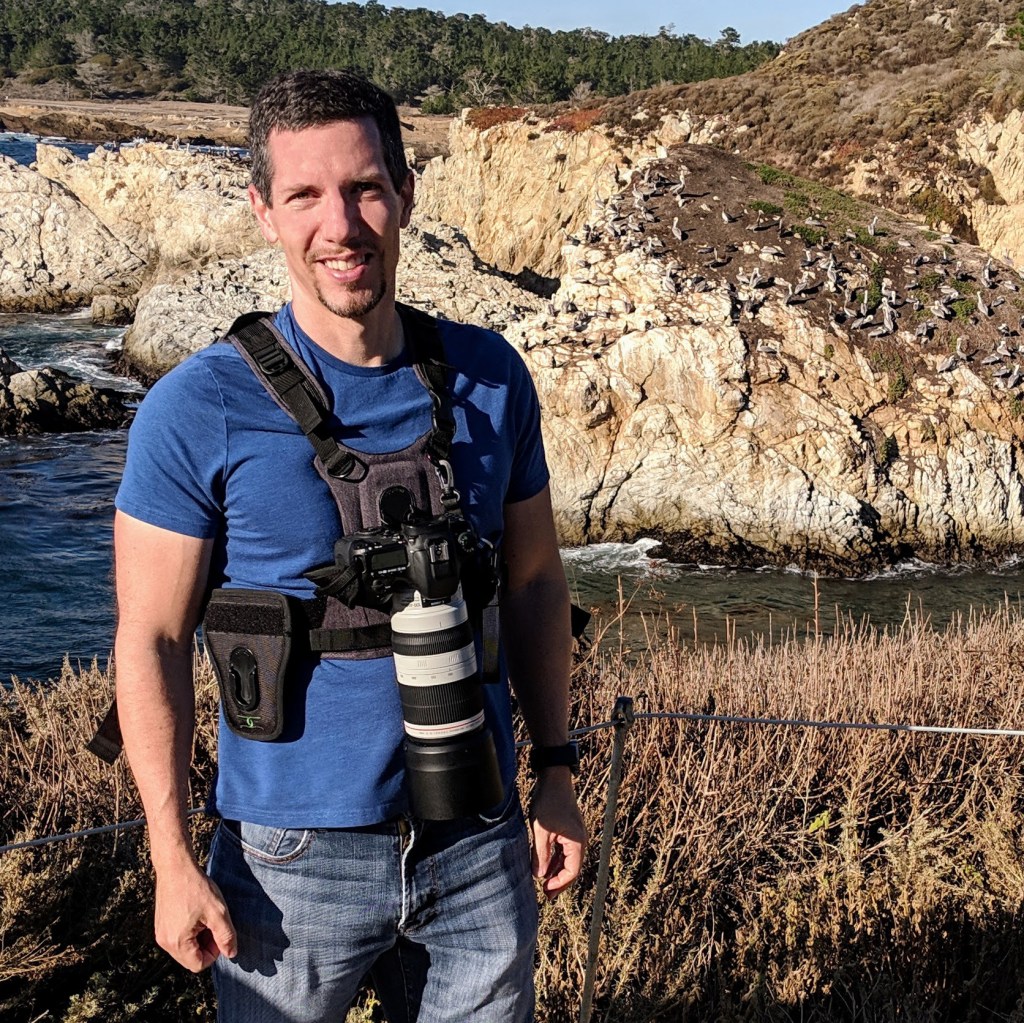
I’m Michael Hawk, the founder of Nature’s Archive and Jumpstart Nature. I’ve always had a keen interest in nature, and originally started Nature’s Archive as a way to share my nature photography.
My interest in nature has evolved dramatically, to a point where I felt compelled to devote my career to helping the environment – for you, me, my kids, and all of the other organisms that call Earth their home! I have a unique approach and a goal to help everyone make a difference for nature.
While my career prior to now was in tech(a variety of roles, ranging from engineering to executive management, and points in between), I’m not independently wealthy, and need your help to make this venture sustainable. One way you can help is by becoming a Patreon patron for as little as $4/month. Be sure to check out jumpstartnature.com for everything else we’re doing, too.
Back to Nature’s Archive…with well over 100,000 downloads, its popularity has surprised me – this, despite having spent no money and virtually no time in marketing it.
If you like what you see and hear, I invite you to sign up for the monthly Nature’s Archive newsletter, which is designed to be short and always provide fun and useful links to natures stories, media, books, and tools that you’ll find useful.
You can also subscribe to Nature’s Archive podcast on Apple Podcasts, Spotify, or your favorite podcast app.
And you might want to check out the Jumpstart Nature podcast. Each episode reveals an important story in nature with the help of expert commentary, packaged as an entertaining and immersive narrative podcast. Most importantly, we give YOU ways to help!

Top 12 Most Listened-To Episodes
These are the episodes that have proved to be most popular with listeners over the years.
#39: Dr. Elaine Ingham – The Ecology of the Soil Food Web
Dr. Elaine Ingham is perhaps the USA’s leading soil biologist. Elaine tells us why healthy soil is critical to healthy ecosystems, nutritional food, and clean water.
Keep reading#26: Dr. Doug Tallamy on the Magic of Oaks
Dr. Doug Tallamy is a world-renowned ecologist, entomologist, and author. Today, we discuss his book, The Nature of Oaks, and what makes oak trees so incredible. We also discuss his advocacy for native plants in your yard, a topic for which Dr. Tallamy is probably most known for.
Keep reading#59: Alison Pollack – Finding and Photographing Slime Molds
Slime molds (Myxomycetes) are beautiful, weird, and amazing organisms. Often mistaken for fungi, they are actually single celled, yet they grow and efficiently move in search of food, can start and stop their life cycle based on environmental conditions, and even change colors several times during their brief life cycle. They can be beautifully colored,…
Keep reading#18: Kerry Knudsen – The Magic of Lichen
Lichens may seem mundane, but they are anything but trivial. This episode dives deep into the vibrant world of these colorful organisms with lichenologist Kerry Knudsen. Buckle up for a journey that reveals their complex biology, survival strategies, and the grave threats they face from wildfire devastation. Understanding lichens might just change how you perceive…
Keep reading#60: Dr. Sam Sandoval – Hydrology and Water Management
Water management is perhaps the most critical environmental topic in the western USA – and much of the world. Dr. Sam Sandoval breaks down how water is managed at a regional scale, the importance of groundwater, and the surprising fact that reservoirs already store close to 5 years worth of annual flow-rate!
Keep reading#36: Damon Tighe – Mycology (Fungi and Mushrooms)
Damon Tighe is a naturalist and educator with an exceptional affinity for fungi. Today we learn about the amazing diversity of fungi, how things like DNA sequencing are helping us learn more, and how YOU can go find fungi today.
Keep reading#48: Dr. Kerry Kriger – Save The Frogs!
Dr. Kerry Kriger noticed something surprising – there was no organization dedicated to amphibian populations! So, he started the wildly popular Save The Frogs! Learn about some amazing amphibians from around the world and why so many are endangered today.
Keep reading#58: Sarah Rose – Astounding Spiders!
Dr. Sarah Rose is the author of the amazing Spiders of North America field guide. In today’s episode, we’re going to discuss an animal that can make wind sails, cast nets, produce its own antifreeze, and is an A-list impersonator. Well, it’s not one animal, but a category of animals – spiders!
Keep reading#35: Ben Goldfarb – Eager Beavers, The Quintessential Keystone Species
Today you’ll become a Beaver Believer thanks to my guest, Ben Goldfarb. Ben is the author of the book Eager: The Surprising, Secret Life of Beavers and Why They Matter.
Beavers truly are ecosystem engineers, capable of creating a series of habitats just by living their semi-aquatic lives. But did you know that not…
Keep reading#71: Wetlands Rediscovered – Exploring Nature’s Hidden Gems and Restoring Their Glory with Tom Biebighauser
Wetlands support incredible biodiversity, clean our water, and mitigate floods. Yet they are still misunderstood and in need of support. Learn about amazing wetlands and the restoration efforts underway,
Keep reading#97: How to Love a Forest with Ethan Tapper
Ethan Tapper has had an incredible personal journey into the world of forestry. His observations and experiences speak to a land ethic required to restore forests and help the public understand what is required.
Keep reading#89: Burning Questions: Understanding Fire Management with Lenya Quinn-Davidson
When we think of wildfire, most of us think of raging infernos burning everything in its path. But historically, this intense type of fire was quite rare. In fact, there used to be more frequent fires, and more acres burned than today – but at low intensity. Learn why this is, and what we can…
Keep reading Nature's Archive Podcast