

#124: The Moving Target of Climate: The Future of Stewardship with Dr. Zac Cannizzo – Nature's Archive
Summary
Land stewards face a constant, high-stakes puzzle: Do you protect a single at-risk species, or do you optimize for total biodiversity? Do you fight to hold back the tide of natural succession, or do you step back and let nature take the lead?
Stewardship has always been about trade-offs, but climate change has shifted the very ground we stand on. It’s no longer just about maintaining what we have; it’s about navigating a target that is constantly moving. We are moving past the era of ‘restoring the past’ and entering an era of ‘designing for the future.’ In some cases, it may mean accepting that ecosystems we hold dear may permanently change —but it also means we have the tools to ensure they don’t lose their soul, their function, or their life-sustaining power.
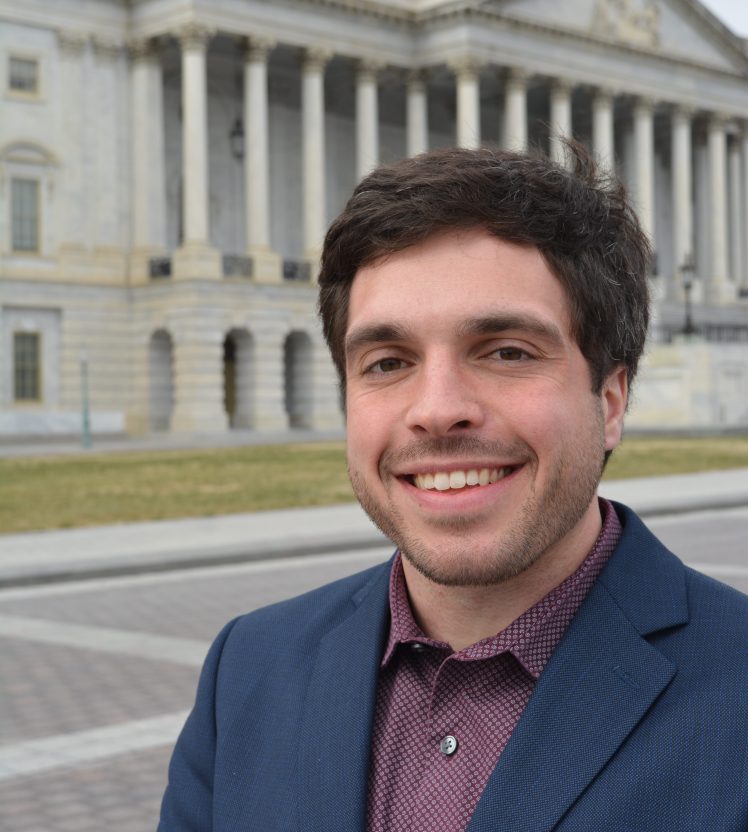
Joining us today is Dr. Zac Cannizzo, a specialist in climate-informed conservation across both marine and terrestrial systems. Zac is here to pull back the curtain on how we manage hope in a warming world. He’ll explain why these shifts are so hard for us to accept, and more importantly, he’ll walk us through the practical framework he uses to help ecosystems thrive, even when the climate says they shouldn’t.
From the bleaching heat of coral reefs to the migrating treelines of Alaska, Zac shows us that while we can’t stop the wind from changing, we can certainly change how we set the sails.
Did you have a question that I didn’t ask? Let me know at podcast@jumpstartnature.com, and I’ll try to get an answer!
And did you know Nature’s Archive has a monthly newsletter? I share the latest news from the world of Nature’s Archive, as well as pointers to new naturalist finds that have crossed my radar, like podcasts, books, websites, and more. No spam, and you can unsubscribe at any time.
While you are welcome to listen to my show using the above link, you can help me grow my reach by listening through one of the podcast services (Apple, Spotify, Overcast, etc). And while you’re there, will you please consider subscribing?
Links To Topics Discussed
McHenry County Conservation District
Office of National Marine Sanctuaries Climate Vulnerability Assessments
Press release about the threatened fish translocation
Credits
The following music was used for this media project:
Music: Spellbound by Brian Holtz Music
License (CC BY 4.0): https://filmmusic.io/standard-license
Artist website: https://brianholtzmusic.com
Transcript (click to view)
Michael Hawk owns copyright in and to all content in transcripts.
You are welcome to share the below transcript (up to 500 words but not more) in media articles (e.g., The New York Times, LA Times, The Guardian), on your personal website, in a non-commercial article or blog post (e.g., Medium), and/or on a personal social media account for non-commercial purposes, provided that you include attribution to “Nature’s Archive Podcast” and link back to the naturesarchive.com URL.
Transcript creation is automated and subject to errors. No warranty of accuracy is implied or provided.
[00:00:00] Michael Hawk: Land stewards face a constant high stakes puzzle. Do you protect a single at-risk species or do you optimize for total biodiversity? Do you fight to hold back the tide of natural succession or do you step back and let nature take the lead? Stewardship has always been about trade-offs, but climate change has shifted.
[00:00:18] The very ground we stand on, it’s no longer just about maintaining what we have. It’s about navigating a target that’s constantly moving. We’re moving past the era of restoring the past and entering an era of designing for the future. And in some cases it might mean accepting the ecosystems we hold dear may permanently change,
[00:00:37] but it also means we have the tools to ensure they don’t lose their soul, their function, or their life sustaining power.
[00:00:44] Joining us today is Dr. Zac Cannizzo, a specialist in climate informed conservation across both marine and terrestrial systems. Zac is here to pull back the curtain on how we manage hope in a warming world. He’ll explain why these shifts are so hard for us to accept, and more importantly, he’ll walk us through a practical framework he uses to help ecosystems thrive even when the climate says they may not.
[00:01:08] From the bleaching heat of coral reefs to the migrating tree lines of Alaska, Zac shows us some practical examples of how to put this to practice. So without further delay, Dr. Zac Cannizzo.
[00:01:20] Zac, thank you so much for joining me this morning.
[00:01:22] Zac Cannizzo: Yeah, thanks for having me. Excited to be here.
[00:01:25] Michael Hawk: You know, I’m, I’m super interested in the type of work that you do and you have a broad perspective from both marine systems and terrestrial systems.
[00:01:33] So maybe, , before we get into the primary topic of climate informed conservation , can you tell me a little bit, bit about, , who you are and, how you got interested in nature?
[00:01:44] Zac Cannizzo: Yeah, of course. So I am Zac Cannizzo as you said. I’m the conservation ecology manager at the McHenry County Conservation District in McHenry County, Illinois, which is, if you think about where Chicago is, we’re northwest of Chicago. We’re actually one county to the north and one county to the west of the county that Chicago is in.
[00:02:03] And all of that is relevant to where I came from And what, how I got interested in nature. ’cause I actually grew up here. I grew up in McHenry County. what really drew me into nature originally was just being out in it. And also, frankly, TV shows. Going to the zoo. Going to the aquarium.
[00:02:23] My mother always encouraged us to go to the Aquaquarium. She would take us there. The Shedd Aquarium in Chicago was a place that I spent a lot of time growing up. And TV shows like Jack Hannah, and, uh, Zaboomafu was one of my So all these animal based TV shows.
[00:02:42] I’ve just kind of always loved nature and always been fascinated by the idea of national parks and being out in nature and trying to figure out ways to conserve it and make sure that it can function in the best possible way.
[00:02:58] Michael Hawk: So it sounds like you had some pretty good access to some cool places. I’ve, unfortunately, I’ve never been to the Shedd Aquarium, but, I was born very close to where you are and, my parents have talked about the Shedd Aquarium, but I never got a chance to see it because we moved when I was quite little.
[00:03:14] Did you have, , access, like to outdoor environments as well?
[00:03:18] Zac Cannizzo: Yeah, I did. We, the city I grew up in, uh, in McHenry County, has some really nice parks. So I got to spend a lot of time out in some parks that have some really good natural areas. One of the parks that I spent a lot of time in growing up was called Veterans Acres, and there was a, a nice restored prairie there, as well as some nice woods.
[00:03:38] But then on top of that, I spent some time in the areas that are protected by the organization I currently work for, which has a lot of really great outdoor protected areas. So I was always able to spend a lot of time outdoors as a kid. I loved being outdoors as a kid, interacting with nature, fishing, hiking, biking.
[00:03:59] I spent a lot of time biking. That’s really how I got around. So outdoors was a big part of growing up and probably did contribute to my love of nature and desire to be in nature.
[00:04:11] Michael Hawk: Well, that’s a cool story that you’ve kind of gone full circle now working for, , the organization that, supported the park that you used to visit as a kid. So how did you. Get engaged in this topic of climate informed conservation . Maybe you can tell me what that is first and what led you down that path.
[00:04:28] Zac Cannizzo: Yeah, absolutely. So when we talk about climate informed conservation, it’s really not that different from what we think about in terms of normal conservation. It’s just that we are intentionally considering and incorporating climate change into our planning and management from the beginning. And really what it does away with is it says we need to do away with this idea of the stationary.
[00:04:50] You this idea that the past is a reliable predictor of the future, that as long as we know that the climate, that conditions kind of vacillate between some particular amount of variability it’s pretty much gonna stay the same. And that’s how we have managed our lands and our resources forever when it comes to the United States.
[00:05:16] But what climate informed conservation says is that the future and even the present, are different from the past. And we need to understand that. We need to recognize it. We need to accept it because if we keep managing for the past, we’re going to fail. ’cause conditions simply aren’t what they were 50, 100, 1000 years ago.
[00:05:37] And frankly, in terms of human timescales, they’re probably never going to be like that again. So it becomes a way of thinking. Many of the actions that we already take when it comes to conservation, doing things like eliminating invasive species, reconnecting natural areas. These are already actions that make natural systems more adaptive and more resilient to climate change.
[00:06:00] But if we incorporate thinking about climate change and thinking about the future conditions from the beginning, it can sometimes help us to make different choices and it can make our choices more informed, which leads to improved outcomes and ensures that these places and that nature are better able to adapt to conditions as they are now and as they’re likely to be in the future.
[00:06:22] But what it also means is recognizing the role of nature as a tool to fight climate change and its impact. We call these nature-based solutions, and this is the idea that nature in and of itself can provide adaptation outcomes to both people and to nature, to the resources in nature that can help people in nature better address both the impacts of climate change and actually the root cause of climate change itself by doing things like drawing down carbon dioxide.
[00:06:52] In fact, when it comes to conservation protected areas like uh, conservation areas, national parks, the places that I work in now are actually some of the most effective nature-based solutions that we have in our toolbox. So that’s, that’s kind of climate informed conservation. Maybe went a little deeper into the initial theory than I needed to, but how I got to this was a little bit roundabout, .
[00:07:12] I actually worked for the organization I currently work for as a summer seasonal in college and between college and grad school. So I was actually out on the land doing the physical work, removing invasive species, all of that kind of stuff.
[00:07:26] At that time, climate change really wasn’t front and the center in my mind, but when I went to grad school, I ended up doing research on a climate induced rain shift. So a species was moving into a new habitat that was forced by climate change.
[00:07:39] That was the mangrove tree crab. Aratus pisonii is the, the scientific name for people who wanna look it up. It was down in Florida. That really started my more scientific and focused thinking on climate change It’s a, actually a really cool system. It’s this little crab that lives in the trees, so it’s a crab that doesn’t like being in the water.
[00:08:00] It’s moving northward more quickly than mangroves are, and has actually expanded into the salt marsh ecosystem in northern Florida and southern Georgia. And for many different reasons, the salt marsh just isn’t as good of a habitat. So my research was focused on the, the impacts of that range shift on that species and actually how, uh, human created habitats, boat docks were helping to facilitate that range expansion.
[00:08:27] I could talk for an hour on that too, I’m sure, so I really loved that work, really loved science, but I was given the opportunity to go to Washington, DC for a year through the Knauss Marine Policy Fellowship, and spend a year working for the federal government in some kind of office related to marine science policy.
[00:08:48] I got very lucky and ended up in the Office of National Marine Sanctuaries and the National Marine Protected Area Center. And part of my job through that fellowship was to help revitalize the climate change aspects of that office and that center.
[00:09:06] So the Office of National Marine Sanctuaries is an office in the National Oceanic and Atmospheric Administration, NOAA, that manages the National Marine Sanctuary System, which is a system of. Federally managed marine protected areas throughout the entire country, from American Samoa all the way up to off the coast of Cape Cod.
[00:09:25] You can think of them kind of like national parks in the ocean. But that fellowship was really focused on helping to revitalize the climate change work in that office. That was back in 2019 in addition to working with that office as a part of the marine protected area center, I got to work with marine protected areas more broadly, including national parks ’cause there are also national parks in the water.
[00:09:47] I know it’s confusing. National Wildlife Refuges and also International Marine Protected Areas. I love that work so much. I ended up being able to leverage that into a federal position where my actual job was to lead the climate change program in this office and help us better understand how we could incorporate climate change into the management of these marine protected areas, both domestically and internationally.
[00:10:13] Then I ended up moving into my new position at the McHenry County Conservation District about six months ago, and it was a way for me to come back home and also. To go from that 30,000 foot level that I was working at at NOAA and start bringing some of that work and expertise that I had on incorporating climate change into management down more at the ground level.
[00:10:36] So the organization I work with right now manages about 25,000 acres of land. So it’s not a tiny bit of land, but it’s not, you know, what I was working on before was things like Papahanaumokuakea, which is a protected area that dwarfs the state of Illinois. So that, that’s where we’re at.
[00:10:54] That’s, that’s the story. That’s how I got into this field.
[00:10:57] Michael Hawk: When you talk about the idea of climate informed conservation, looking at. Upfront the potential impacts.
[00:11:04] Uh, and, and the thought that came to my mind is that sort of like every environment is constantly changing. There’s, succession happening for one reason or another. And I’m wondering, in typical conservation today, uh, is it really, and sorry, is this clumsily worded because I, I don’t quite have the right vocabulary, but, uh, do, do land managers typically consider things like succession or is it more like maintain what we have?
[00:11:22] Zac Cannizzo: Yeah, it really depends on the area and the conservation goals of the area. Succession is definitely considered, but oftentimes when land managers and conservation managers are considering succession. Traditionally in how we manage our areas is to use succession to get back to that kind of what we would traditionally think of as an apex or a final state,
[00:11:45] we have this idea that prior to European colonization, there were certain ecosystems on the land in the area, and we wanna get back to that. Now, those ecosystems in some places were dynamic, would switch between one ecosystem or another, depending on what was going on. But it was within a certain defined variability that we have a pretty good idea of what that likely looked like.
[00:12:10] And so that has traditionally been what we’ve tried to maintain or get back to through actions like restoration.
[00:12:18] Michael Hawk: Okay. Totally makes sense. So considering the context of the location and the goals of that location, , on the same page with you there, so then , when you bring in maybe longer timescales with climate, what sorts of, challenges do you encounter if there’s this preconceived method for conservation and restoration.
[00:12:41] Zac Cannizzo: Yeah. The challenges really become more of a way of thinking. It’s that traditionally in Western conservation, which is really where we’re largely coming from in the United States in particular, we have this idea that there are particular ecosystems and ecosystem functions that had existed, and that’s their quote unquote pristine state.
[00:13:03] And we want to either keep them there or get them back there. While ecosystems, historically have always adjusted to change and changed over time, as climate has changed that, and that’s built into that kind of pace, geologic timescales is accepted and built into our traditional formula for managing these labs.
[00:13:26] What’s different now is the pace of change. We’re moving far outside the variability that we’ve traditionally would’ve seen in these ecosystems in terms of climate, in terms of temperature, rainfall, all the things that we would think about when it comes to the ecosystem itself. And that makes it difficult when it comes to managing for these and getting people’s heads wrapped around it.
[00:13:50] One of the things that I encountered often when I first started working on this and working with managers is this idea that climate change is too big for us to do anything about. So we just kind of have to mitigate the impacts where we can and let it happen where we can’t. But what you realize when you really start to look at it is that we can make a difference.
[00:14:11] We can take actions that help these ecosystems adapt to and be resilient to climate change. Sometimes that means we’re going to have to accept that the ecosystems that we’ve been managing for might change. We might not have the species that we had previously. They might not be as abundant, they might not be as adaptive, and frankly, that can be really, really hard for people to accept there’s. An aspect of this that is getting over the mental block of wanting to protect an area or an ecosystem that you really love, which is often why a lot of us get into conservation. Conservation is hopeful. Conservation is about love, loving these ecosystems. So there is an aspect of this that’s grief, and I do encounter that when talking with conservation practitioners about managing for climate change and understanding that the areas that we’re managing for are likely going to change, and that’s okay, and frankly that grief is appropriate.
[00:15:12] But what I often find is that once you get past that, people do get hopeful. Fundamentally, managing for climate change and conservation, climate change conservation in general is a hopeful practice. This because we aren’t saying we’re just gonna let it go and it’s gonna be a disaster. We are accepting the fact that things are going to change, but recognizing that we can help them change for the better.
[00:15:35] We can help ensure that as much of the ecosystem as possible continues to remain, continues to be adaptive, continues to be resilient, and that it’s function remains. Ultimately it’s this idea that we can make the world a better place in the future. We have the tools, we have the technology, we have the know-how, we just need to do it.
[00:15:54] And once you can help them see that that’s the case. I often see the switch from yeah, we can’t do anything about this. What are we gonna do? It’s too big of a problem to jumping in gung-ho. Yes, I can. Let’s do this.
[00:16:08] Michael Hawk: I definitely can see how once you recognize the positive outcome, even if it’s on a different timescale and maybe perhaps a different destination, it’s easy to kind of get behind something. So that’s interesting. I know you have a framework as well that will get to in a moment, but I wanted to tell you about this quote that I stumbled upon.
[00:16:26] Maybe somewhat coincidentally, uh, a few weeks ago, and it’s attributed to a bunch of different people, but it’s, the truth will set you free, but first it will make you miserable. And it kind of sounds like that’s what you encounter when grappling with, the impacts of climate change in these environments , that maybe conservationists are so, idealist about.
[00:16:45] Zac Cannizzo: It really is, and I think that’s a great quote to describe. Climate conservation and honestly, it really is often what I most see. You get this, this overwhelming, this discouragement when you first start looking at the projections and thinking about how things are going to change. But you know, ultimately, as I said, climate conservation’s, inherently hopeful and protected areas are some of the most effective nature, nature-based solutions that we have to help manage for climate change.
[00:17:10] And that’s what really gets people behind it that, yes, okay, this is bad, but we have this protected area. We have this focused area where we can focus our efforts and be intentional about how we manage this ecosystem to ensure it’s as adaptive, as resilient as possible. And unfortunately, sometimes there are some things we’re going to lose, and that’s part of the recognition as well.
[00:17:35] But it’s recognizing that if we lose some things, we’re going to gain other things, and it’s helping to shepherd the ecosystem in a manner that maintains as much of what we love as possible, but really maintains ecosystem function and the natural function of that ecosystem to help both nature and people continue to persist in an adaptive and resilient way.
[00:17:58] Michael Hawk: and when you think of function, like, how abstract do you get? Because like here I am thinking about like, well, a, a certain ecosystem might be highly biodiverse. Is that a function or is the function more like flood control or, groundwater replenishing or, you know?
[00:18:11] Tell me a little bit how you think about function.
[00:18:14] Zac Cannizzo: Yeah, it’s both of those things there’s natural function in terms of things like biodiversity, the ability of the ecosystem to continue to persist in and of itself be adaptive and resilient. Those are all functions. Uh, you also have functions that are of direct service to people. Flood reduction. Reduction of storm damage, provision of fisheries. And ultimately we do try in conservation to think about all of those things together. What you often find is that if you can ensure that those natural functions continue to persist, , those other ecosystem functions, those things that humans most directly care about, tend to come along with that.
[00:18:53] Michael Hawk: Yeah, it makes sense. We were chatting a couple weeks ago in preparation for this, and you told me about a framework that you have to kind of help people think about this. Could you walk me through that again?
[00:19:05] Zac Cannizzo: Yeah, absolutely. And that, that framework that we talked about is called resist, accept, direct, and I, I will get back to that. Uh, I think that it’s an important framework to talk about, but I think there’s kind of more broader umbrella ideas that it might be good to talk about first, if that’s all
[00:19:20] right. So when we think about climate conservation and climate conservation management, there’s a number of tools and frameworks that we can use to really understand how we can best manage these areas. And what it all really falls under is this broader umbrella of climate adaptive management. So adaptive management has a long, long history in conservation.
[00:19:43] The basic idea of adaptive management is. You do something, you see whether or not it works. And if it’s not working, you try something different. You, are constantly updating what you’re doing. That that sounds probably like, yeah, no, duh. To most people. But when you throw climate change in there, what it does is add that thinking about the future as well.
[00:20:05] So for example, it might involve adding trigger points to our management where when we see a particular change happening to a particular level, we’re going to change the way that we manage it’s really a cycle, right?
[00:20:15] So the first thing you want to do is define your planning purpose and scope. And oftentimes this is something that we miss in conservation. We’re so excited we just dive right into it. But it’s really important to know what our conservation goals are. And that’s a theme I’m gonna come back to a couple of times.
[00:20:29] Oftentimes we don’t know our conservation goals as well as we think we do. . And so by defining those goals from the beginning, it helps us to understand where we want to go. We then want to assess climate impacts and vulnerabilities.
[00:20:41] So understand what the climate’s going to look like in the future and what’s going to be vulnerable and why. We can then use that to revise our conservation goals based on what’s realistic, where we’re likely to head. And then once we have that together, we can identify possible adaptation actions.
[00:20:56] Those actions we’re going to take to try and improve the ability of the areas we’re managing to deal with climate change. Once we do that, we need to then understand whether or not they’re working, we’re gonna implement those actions, but whether or not they’re working, whether or not the uh, system’s actually changing in the way that we thought it was going to change, will then inform.
[00:21:20] How we move forward again. So you see, it becomes a cycle where we’re constantly looking at what we’ve done, constantly reassessing where we are, whether or not we’re moving forward in the way that we thought we were going to move forward.
[00:21:31] So that’s the overall framework, and when it comes down to the actual tools and frameworks for how you do this, there are a lot of ways to move forward. The one that I advocate for, because I think it’s both straightforward and simple, while also giving you the information you need, is to understand your vulnerability of the resources that you’re protecting.
[00:21:53] Try and do some kind of scenario planning, and then move into adaptation and decision frameworks. So really quickly what those steps are. The first is a vulnerability assessment. So vulnerability is. Essentially how susceptible a resource is to the impacts of climate change. Vulnerability assessment is a tool to understand how susceptible these resources are to the impact of climate change. And the reason why it’s an important tool is because what it does is it breaks down vulnerability into its component parts.
[00:22:22] There’s exposure, how much change a resource is likely to experience. So think about this as, is it going to rain today? That’s your exposure regardless of whether or not you’re likely to be harmed by it. What’s likely to happen? The flip side of exposure is sensitivity. To what extent is a resource likely to be harmed or changed by a given hazard if that hazard happens?
[00:22:45] So using that same example, would it be bad if I got wet today independent of whether or not it’s gonna be rain? Is it bad if I get wet? So that sensitivity, those two together give you your potential impact, right? The potential impact that climate change is going to have on that resource, the function of how much the change is going to be and whether or not you’re impacted.
[00:23:04] And then the last thing you need to understand before vulnerability is adaptive capacity. That’s the ability of that resource to adapt to the effect of that impact or change. So can that resource do anything to reduce that potential impact? Back to my rain example, can I bring an umbrella? That would be adaptive capacity.
[00:23:22] Is there a way for me to get out of the rate? An adaptation action will be bringing an umbrella. So by understanding the vulnerability of resources in these parts, it really gives us an understanding of not only whether or not a resource is vulnerable, but why it’s vulnerable. And those are important things to understand because it can help us to prioritize how we’re going to take action based on the extent of vulnerability and what’s causing that vulnerability.
[00:23:48] Michael Hawk: And that already sounds very complicated if you’re thinking about a, a large system with many different species all interacting in different ways, and then mapping that to your goals, it seems like that in itself is a. Multi-person, multi-week, multi-month, I don’t know, multi-year effort just to do that.
[00:24:07] Zac Cannizzo: it can be, really you can do it relatively quickly because what you find is that if you can bring experts into the room. Room you can do these assessments at a level that gives you the information you need as conservation managers in a couple a day workshop with a good group of experts, there are many different ways to conduct vulnerability assessments.
[00:24:27] Some of them are very scientific, technical numbers based. Those can take years and years to conduct and those are incredibly important. . What I have found throughout the course of my career is when it comes to protected areas and conservation, you can often conduct these in a more qualitative fashion with subject matter experts, in particular, ’cause you’re looking at a particular area rather than a full species.
[00:24:53] And you get the level of information that you need to be able to start taking adaptation actions from a more qualitative exercise that takes a couple of days versus a long time period.
[00:25:05] Michael Hawk: Gotcha. So like, uh, as an example, your environment say an Oak Savannah, you’ll have someone familiar with that system and how it changes and how it, how it operates on its edges of existence , and those sorts of things. So they can provide that sort of qualitative insight.
[00:25:22] Zac Cannizzo: Absolutely, and for anyone who’s curious to see what this looks like in practice, I would actually encourage you to go to the NOAA Office of National Marine Sanctuary website. I don’t know where it is anymore, frankly, because the websites had a number of changes since I left, but we do have vulnerability assessments on that webpage that give you a good example of what this looks like in practice so you can kind of see what comes out of it and the process behind it.
[00:25:49] I wish I could give you an exact place of where it lives, but I know it’s changed a little bit. I know it’s still there, but it has
[00:25:49] Michael Hawk: I’ll, I’ll poke around and see if I can find it. Um, sorry. Sorry for the little digression there, but I was, I was interested in that sort of upfront analysis,
[00:25:55] Zac Cannizzo: No, it’s important. It’s important. So that gives you really good information as to some actions that you might be able to take. The other aspect that I like to do when it comes to starting planning is scenario planning. And scenario planning is not unique to conservation or climate change planning.
[00:26:13] It actually has a long history in the business world, in the military world. And essentially what scenario planning does is it combines the best available knowledge with the art of envisioning and storytelling. It says for. Conditions where you have complex and uncertain things happening, as well as very low controllability, you can start to look at what the future might be.
[00:26:37] So complex, uncertain, and low controllability. It sounds a lot like climate change because it’s, what it does is it helps us to identify actions and leading indicators. So things that we can understand if they’re starting to change in a particular way, can help us to make decisions, uh, at particular decision points.
[00:26:55] Ultimately, I love this quote from Peter Schwartz who’s one of the, the big names in scenario planning is that scenarios are stories about the way the world might turn out tomorrow that can help us recognize and adapt to changing aspects in our current environment. So I am going to probably offend some people who are more familiar with scenario planning by giving these super quick and dirty explanation of how it works.
[00:27:18] But essentially what you do is you get a group of people together. . Ideally, frankly a large group, you want to bring stakeholders in and you say, alright, we’re looking at a particular area. We have some certain things that we know we can and cannot control based on these particular ideas, like whether or not temperatures going to increase in this area by four degrees or two degrees, whether or not sea level’s going to increase or decline,
[00:27:42] what does the future look like in each of these different scenarios? What does the future look like in a scenario where there is increased funding for conservation and a four degree temperature change versus decreased funding for conservation and only a two degrees temperature change?
[00:27:58] And you literally play out the story using realistic ideas of what might happen. And it sounds very wishy-washy, but I promise you, when you sit down and do it, what you end up with is a pathway for multiple different pathways for how the future might turn out, which allows you to identify what are some critical things that you can take a look at.
[00:28:15] You know, oh, if temperature is changing by three degrees, we know we’ve gone beyond a certain threshold. So some of these futures aren’t available to us anymore, so we don’t have to worry about them anymore. Some of them still are. \ If this particular thing happens, it means that we might be heading to this future that we do or do not want.
[00:28:32] So it can help us make decisions as to understanding, how we might be able to take action to push us towards a future that we want, how we might be able to take actions to mitigate impacts if we are moving towards a future that we do not want, and also for us to understand what we need to monitor, to understand which future we are going into.
[00:28:51] So that is scenario planning in a nutshell. It Now, once we get done with that vulnerability assessment and or scenario planning, we can then start applying actual adaptation and decision frameworks.
[00:29:03] This is where we’re starting to decide what adaptation actions are we going to take. There are many, many different tools and decision frameworks that help you with this. Some of the simplest are targeting vulnerability. So going back to that climate vulnerability analysis and saying, all right, we understand what’s driving vulnerability, what are actions we can take to either reduce the exposure or sensitivity or increase the adaptive capacity, or identifying where there’s particular tipping points that we identified in scenario planning.
[00:29:29] How can we avoid those? How can we understand they’re coming? But one of the frameworks that’s really starting to gain a lot of attention in conservation is called Resist, accept, direct, or rad, I’m probably gonna refer to it as RAD mostly. And this was developed by a group of conservation scientists that was mostly federal employees through the National Park System, Fish and Wildlife Service, and a couple of other agencies.
[00:29:58] Came together and recognized that when we’re thinking about conservation, we’re continuously encountering these situations in climate change. Where ecosystems are reaching, tipping points they’re moving from one thing to a completely different type of ecosystem because climate change, some other human action is pushing them towards that.
[00:30:19] So think about a coral reef that bleaches, bleaches, bleaches, bleaches, bleaches. It’s not a coral reef anymore, right? So those are those state shifts. So it resist, accept, direct says how do we manage these? And while it was originally developed for tipping point systems, it can be used for any kind of system undergoing change.
[00:30:39] So what it posits is that you basically have three potential actions you can take. You can accept that that change is happening. Essentially do nothing, let it happen. Frankly, this is how we’ve done a lot of management in the past. We’ve said, we’re gonna let nature do what nature’s going to do, so you accept the trade is gonna happen.
[00:30:57] That might sound bad, but frankly, sometimes that’s the best option and it might not be a bad option in , some situations. The second option is you can resist the change. You can try and do everything you can. You can fight and claw to try and prevent that change from happening. And this is how the majority of climate management and conservation has been acting up to this point.
[00:31:22] This is trying to bring that ecosystem back to its historic state and keep it there. And again, there are some times where there’s very, very good reasons for that to happen. There are some places where the ecosystem that is there is the ecosystem. We want it to be there. It’s culturally relevant. It’s naturally relevant.
[00:31:39] We’re gonna fight tooth and nail. To keep that ecosystem as it is for as long as possible.
[00:31:44] Michael Hawk: Before, before we get to the third option, do you have any top of head, like simple examples that people might be able to resonate with, uh, in terms of both the resist and the accept category?
[00:31:55] Zac Cannizzo: Yeah, so a good example of where accept might be useful if there is an area where where they have accepted sea level rises happening and they’re not going to be able to stop it. It’s not worth the effort, time, and money to stop it in this area.
[00:32:09] It’s going to overrun a parking lot and a building, and they’re just letting it happen because they have done the analysis and they’ve decided that in this particular area, this change , it’s different from what we’ve had, but that’s okay.
[00:32:22] We’re not going to resist it. We’re going to accept it. A good example of where a resist is being implemented and is a good, reason why is, oh, and now I, I’m sorry, I’m blanking. It’s either redwood or is a Great Sequoia. Um, so this idea that these trees are critically important, these are culturally relevant.
[00:32:46] They don’t exist elsewhere in the world. We want to keep them for as long as possible, so we’re going to resist. But we recognize that with climate change, the fire regime is changing and eventually very well may be a fire that’s going to wipe out a stand of these trees.
[00:33:02] So we’re going to take the actions that we can to keep them for as long as we possibly can, and maybe we’ll win. Maybe we will keep them forever.
[00:33:10] that also works for coral reefs as well. We’re going to restore coral reefs.
[00:33:14] We’re going to keep them for as long as we possibly can because those ecosystems are critically important. So now that third option that’s not accept or resist is direct. And this is the one that was really kind of revolutionary for the RAD framework.
[00:33:28] It posits that you don’t have to just accept or resist. Sometimes when you see these ecosystem changes, there’s multiple options. It doesn’t always have to be the worst case scenario. So you can take action to direct that ecosystem to a new state. Something that’s different than it has been in the past, but one that might be preferred than some of these other states.
[00:33:48] Maybe a state that still preserves. Some of the ecological function, the ecosystem services, the nature that was there. And so this is where it really starts to get interesting in terms of thinking about how you make these different changes. If we’re going to change the ecosystem, how are we going to change it?
[00:34:09] What are we going to do to change it in a way that maintains ecosystem function? And a really good kind of theoretical example that I like to use that hits on all three of these is coral reefs. So if we think about what people have in their head as a traditional what hard coral, coral reefs, something like the Great Barrier Reef, in a lot of places, those reefs are struggling really, really hard.
[00:34:31] I don’t think I’m gonna surprise anyone by saying that,. So what are we gonna do with a particular patch of reef?
[00:34:37] We can either resist, try and keep that reef for as long as possible, do things like coral reef restoration. We can accept it’s going to change, let it turn into an algae dominated reef. Or we can direct, because oftentimes what we think of when a coral reef bleaches out and dies is that it just becomes this algae dominated reef, this low diversity system.
[00:34:56] But what if we were to take actions now to start pushing that reef towards a more resilient system that looks different. We might not have hard corals anymore, but there is a third option between hard corals and algae dominated reefs, and that’s a soft coral and sponge dominated reef. It’s gonna look different from what we’re used to.
[00:35:17] It’s going to have different species there, but we’re gonna maintain a lot of that ecosystem function that the hard coral reef had. We’ll maintain a lot of that biodiversity. We’ll maintain a lot of the, Coastal Protection Ecosystem services that the Coral Reef provides. But it looks very different and it’s going to take work from conservation practitioners to ensure we would move into that system. The problem is we don’t have unlimited money, we don’t have unlimited time. And so this is where RAD really forces you to sit down and think about what are your conservation goals for a particular place. Maybe there’s some places where that hard coral, coral reef is critically important.
[00:35:59] There are cultural aspects to it. There are ecosystem aspects to it. That reef in that state is what we need to and want to keep good example of that is the Great Barrier Reef in these areas. We’re resisting. We’re going to keep that reef for as long as possible and the hopes that eventually we can address climate change and that reef will continue to survive.
[00:36:18] Maybe there’s some areas where we can let it go. We can accept it’s going to change if our conservation goal is just to provide a place for people to kayak, whether or not there’s a coral reef there doesn’t really matter. And that hurts. That hurts to think of, that hurts for me to even say. But we need to be realistic.
[00:36:36] And then there’s other places where maybe we just wanna maintain our ecosystem function. Our conservation goal is to have biodiversity, it’s to have fisheries, it’s to have a reef. In those situations, we might push towards that third option, that more soft coral and, sponge dominated so those are all theoretical examples.
[00:36:52] If you’d like, I can give a, a real world example of where this is already taking place.
[00:36:57] Michael Hawk: Yeah. I think a real world example would be great.
[00:36:59] Zac Cannizzo: But I can move through it really quickly.
[00:36:59] Michael Hawk: Yeah.
[00:36:59] Zac Cannizzo: So this is being applied, the first real good real world examples of a Kenai National Wildlife Refuge in Southern Alaska. And what they’re seeing in that system is that system has historically been a boreal forest that’s dominated by lutz or lutz spruce trees. I’m sorry I can’t, I don’t know the correct pronunciation.
[00:37:14] It’s LUTZ for anyone who wants to look it up. The problem is with warmer and drier conditions that is exposing these trees to greater fire conditions, but also to bark beetle outbreaks. So you get drier conditions that encourage fire. You get bark beetle outbreaks that kill trees that increase the chance of fire and reduce forest canopy.
[00:37:32] That increased the chance of grasses, that increase the chance of fire. So you can see where this is becoming a runaway system. We’re moving from a boreal forest into a joint bluegrass grassland, which is frankly a pretty low diversity grassland. So. What they’re doing at Kenai is they’re saying, well, we’re not gonna resist.
[00:37:52] That’s likely to fail. We’re not going to accept because it’s just not a very good biologically diverse system. But they actually have an interesting situation where there’s two different alternative systems that they could move into that both provide good alternative strategies to the depauperate grassland.
[00:38:09] One is to try and move to a different kind of boreal forest. And so what they’re doing in some areas is planting some non-native trees like lodgepole pine and encouraging native blacktail deer in that area. So they’re basically moving to a similar type of forest ecosystem, but a completely different forest ecosystem, different trees, different herbivores, all of that.
[00:38:32] So in some areas, they’re taking the action to do that. In other areas, they’re leaning into the change to grassland, but they’re trying to move it towards a more biodiverse grassland to do that, they are bringing in native grazers like bison who had previously been extirpated from that area, and increase the diversity of grasslands and also leaning into prescribed fires to ensure that areas getting dominated by that joint grass can be burned off a little bit.
[00:38:58] Introducing more higher diversity species. Actually pretty similar to some of the stuff that we do here at my new job at McHenry County Conservation District. This use of prescribed fire use of grazers to ensure that we’re creating these high diversity ecosystems that frankly don’t really exist without human intervention anymore because we’ve taken these large processes out of the ecosystem and out of nature over time.
[00:39:25] Michael Hawk: I mean, I can understand the difficulty that people have in coming to these decisions because you know, the idea of putting a non-native species in is, is sort of like, just against the whole dogma of, I think what we’re taught and what we learn about
[00:39:41] Zac Cannizzo: you’re absolutely right.
[00:39:43] Michael Hawk: Getting over that hump, I guess, and thinking more about function , sounds like the key to be able to enable those steps to occur.
[00:39:50] Zac Cannizzo: Thinking about ecosystem function is really a key part of making this happen. Understanding what our goals are is what it comes down to, right?
[00:39:58] Michael Hawk: You gave an example , of a coral system and you just gave this terrestrial example. Are there any other tidbits as to how to think differently when you’re comparing, say, a marine system to a terrestrial system?
[00:40:10] Zac Cannizzo: So it is really interesting because when it comes to climate informed conservation, a lot of this work really started in the terrestrial system. And when I was at noaa, a lot of what I was doing was trying to work with those who had worked in the terrestrial system to understand how it could apply to a marine system.
[00:40:28] And ultimately what I found is that the, the principles are the same. When we get into differences, really what the differences are is some of the major driving climate factors, right? So in the terrestrial realm, precipitation changes, flooding, decreases in cold nights are all things that are very important that I’m dealing with in my current, , position.
[00:40:49] Whereas things like sea level rise, ocean acidification, and tropical storms aren’t really relevant to the work that I’m doing. But they’re highly relevant to the work in the marine realm. And in some places sea level rise and tropical storms are relevant to the terrestrial realm. So it’s really just about applying that the overall frameworks are kind of agnostic to ecosystem and it’s understanding what are the driving factors in the ecosystem that you are working in.
[00:41:17] But what I really think is kind of the overarching mental shift that we need to make and are starting to make in conservation if we’re truly gonna be successful when it comes to climate management is understanding that people are a part of nature that we need to get rid of this idea of fortress conservation.
[00:41:38] So a little bit of history lesson, traditionally western conservation is based on this idea that we call fortress conservation. Draw a line around a map that’s a protected area. Keep people out, let nature do its work. You know, there, there is a place for these large protected areas where people are not allowed to enter.
[00:41:57] They do produce some really, really important conservation objectives, but we, we do still need to actively manage them. We’re at a point in history where this idea of a pristine, natural area, I’m sorry, it doesn’t exist anymore. Climate change touches everything. There’s plastic at the bottom of the deepest abyss in the ocean.
[00:42:18] So we have touched everything we need to actively and intentionally take action to manage these areas if we are going to ensure that they can maintain their ecosystem function. We’ve gotten rid of apex predators throughout most of the terrestrial and marine world, we’ve changed fire regimes. So if we’re going to help these ecosystems continue to persist in a functional way, we need to take that active measurement.
[00:42:49] But it’s this idea that humans are a part of nature and frankly, this isn’t a new idea. Indigenous communities in particular have been doing this for generations for hundreds and thousands of years. We need to lean into that style of management, lean into that knowledge in a way that’s not extractive and not colonial work with all of our different communities, and the side part of that is get people into nature.
[00:43:16] If you want people to care, you need to get them into these areas. Ultimately, if you wanna be able to conserve these areas, if you want nature to continue to persist, we need public support.
[00:43:30] We can’t do this alone.
[00:43:32] Michael Hawk: Definitely , you know, you start thinking about root cause as to why we are where we are. And a big piece of that is, is that disconnection and taking nature for granted. And now we’re seeing the results of that and, uh, makes total sense to me. And you might already have started to get into one of the closing questions that I like to ask.
[00:43:50] What have you found to be most effective in, in helping people move up a rung in environmental awareness?
[00:43:57] Zac Cannizzo: Yeah, it’s getting people into nature, getting people out there, getting them connected to it, helping them to see it, feel it, touch it, and be there. We can no longer have this idea of we’re just gonna keep people out of nature. It just doesn’t work. let’s get people out there, help people see why it’s important, why we care about it, why we love it, and people are gonna care about it and love it for different ways. Some people are just gonna wanna go out there and look at it. Some people are gonna wanna hike, some people are gonna wanna hunt and fish. allowing them to use it, allowing people to hunt, to fish, to do these things in nature, in a sustainable manner, helps them to connect, helps them to care, helps them get curious . it, provides that support that we need to make sure that we can actively manage to ensure that these ecosystems in places continue to persist now and into the future.
[00:44:43] Michael Hawk: Yeah. And you never know. For each of those activities that you just described, where that might lead for somebody, , what observation they’ll have, how they’ll. Grow and care for that space. So it, uh, it makes sense to me
[00:44:55] So before we close out today, do you have any upcoming projects you’d like to highlight or, any, top of head events going on, anything like that, that you would like to point people towards?
[00:45:05] Zac Cannizzo: Yeah, absolutely. I think one of the things that I wanna highlight is that where I am working right now, the McHenry County Conservation District is a special place in a special type of way that we manage lands. Illinois is unique, I believe in that we have conservation districts and forest preserve districts that are county level protected area organizations, and they’re particularly concentrated around the Chicago area.
[00:45:32] So in most parts of the country, you either have state level protected areas, you might have, uh, park districts doing some level of protected areas. We have dedicated protected area organizations. That for all intents and purposes, function kind of similar to the way a National Park service functions. I mean, we don’t, we’re not federal any of that, but our purpose is to protect, conserve, and restore nature for the betterment, for the use and for the ability of the people of McHenry County.
[00:46:04] Our, our tagline is Water Wildlife Way of Life, and that’s really what we look at. So we’re in this really cool, unique opportunity here where we have a protected area system in our county, and I just, I think most people around the country, they, it blows their mind when they think about that. And so that allows us to do this work on a local level that really helps make the work effective.
[00:46:27] So towards that end, some of the things that I am working on and I’m excited to work on, just last night actually, our board of trustees approved our first ever climate policy. So we now have climate change, adaptation, resilience, and mitigation built into our policy, built into what we do and what we’re supposed to do.
[00:46:49] So I’m really excited about continuing to work towards that at this organization and really build some of these principles that I’ve talked about today and climate adaptive management into the fiber of what we do both at the McHenry County Conservation District and in the county as a whole. There’s a lot of momentum there.
[00:47:07] Michael Hawk: I mean that sounds like think global Act local is what that sounds like to me. Right.
[00:47:12] Zac Cannizzo: It really is. And a lot of it’s also acting regional as well. The Chicago Wilderness Alliance is this incredible partnership of organizations, government, NGO advocacy that work towards conservation on a regional level. And so there’s a lot of momentum in this region to work on this climate change problem. So I’m really excited to move that forward on a more, um, exact thing that I’m really excited about. We have been working with the Illinois Department of Natural Resources to actually translocate a state threatened fish to one of our restoration sites. We’ve worked to make it the first site where we are trans locating a state threatened fish species to this restored stream that seven years ago was a ditch and now it’s housing a threatened species.
[00:47:59] And so we’ve just started those translocations and I’m really excited to continue working on that. All credit goes to our wildlife ecologist who’s been working with IDNR for the past five years to make this happen. But it’s just a great example of how local conservation can really make this difference.
[00:48:15] Michael Hawk: Sounds amazing. Uh, is there any link, press release, anything like that you could point me to?
[00:48:21] Zac Cannizzo: It is being worked on. I don’t know exactly when it’s going to come out, but I’ll absolutely give it to you when it’s ready to go.
[00:48:27] Michael Hawk: And if people want to follow you or your work, or the organization that you work for, where can they go?
[00:48:34] Zac Cannizzo: Well, personally, I am terrible about social media, so really the best places to find me are on LinkedIn or ResearchGate. And when you find me on LinkedIn, you will see that I do an awful job of updating it. I’m trying to be better, I promise. But my work is generally up there and on ResearchGate. In terms of the organization, I would encourage people to look up McHenry County Conservation District on Google, and it’s the first one. We have an incredible marketing and communications team. You’ll get there and you’ll be like, wow, this is a county level organization. Yeah, it, it doesn’t look like your typical county government website.
[00:49:06] It is stunning. You can find a bunch of great resources there. They’re fantastic. Um, and in terms of the work that I used to do, the, at NOAA’s office of National Marine Sanctuaries, definitely encourage you to take a look at Noah’s office of National Marine Sanctuaries and the Marine Protected Area Center.
[00:49:24] Those people continue to do outstanding, incredible work. Uh, so you take a look and support them as well.
[00:49:30] Michael Hawk: I will find links to make it easy for people and put ’em in the show notes. And, uh, can’t wait to see the, McHenry County level, uh, site that you mentioned because, we do have some county parks here with similar. Interest and it’ll be interesting to kind of compare and contrast. It sounds like you have a, a great thing going there.
[00:49:47] So Zac, thank you so much for, spending all this time with me today and giving, uh, sort of a 1 0 1 primer on, climate informed conservation and, yeah.
[00:49:57] is there anything else? Any final quick word before we call it? A day?
[00:50:02] Zac Cannizzo: First, I just wanna say thank you. This has been fantastic and, and I guess the final thing that I wanna leave people with is that idea of, of hope. This isn’t a hopeless enterprise. Climate change is a big problem. I’m not gonna sugarcoat it. Things are gonna change. Things are going to be different. But we have the ability to change them in a positive way.
[00:50:26] We have the ability to make a future that is a better place for people and the natural world that is a more equitable, more sustainable place where people in nature can live together. And I hate to put a plugin as the last thing I say, but a book that I really love is, , What If We Get It Right by Ayana Elizabeth Johnson does a really good job of highlighting the good work that’s really being done and really is something that I recommend for anyone who’s feeling discouraged about climate change and climate change management. ’cause it really shows you the good work that’s being done and really hammers that point home, that climate change management and climate change conservation is inherently hopeful.
[00:51:09] We have the agency, we created the problem, which means we can solve it.
[00:51:14] Michael Hawk: I have not read that book. I’ve heard it recommended. It will go on my list for sure. So thank you again Zac, and uh, have a wonderful rest of your day.
[00:51:22] Zac Cannizzo: Thank you. Thanks Michael.
 Nature's Archive Podcast