

#106: Why Ants Might Be the Most Interesting Creatures on Earth with Chloe Jelley – Nature's Archive
Summary
I love discovering overlooked plants and animals that play outsized roles in the environment. I’m also fascinated by complex systems, especially when they’re easy to observe.
And nothing ticks all three of those boxes better than ants.
One estimate says that for every human on earth, there may be as many as 2.5 million ants. And these ants form complex societies with unique roles. They communicate in mysteriously complex ways, and can range in size from almost microscopic to an inch and a half long.
Ants can build colonies in acorns, hollow twigs, leaf baskets, massive tree branches, and of course, in the ground. The largest super colonies stretch for hundreds of miles – and by the way, you can find such super colonies in California and in southern Europe. They can farm fungi, and ranch aphids.
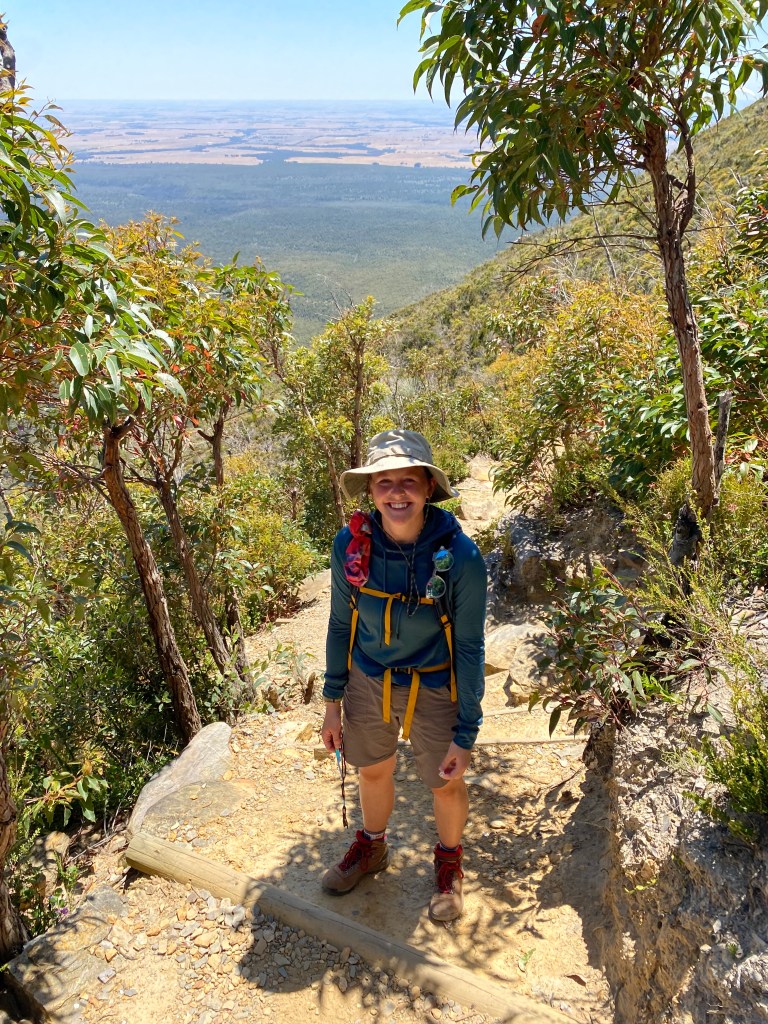
My guest today helped unveil all of this and more. Chloe Jelly is a graduate researcher at Cornell University in the Moreau lab. She particularly enjoys outreach, which made her an ideal guest for today’s episode.
People sometimes say that viruses and microbes rule the world, but after today’s discussion, you’ll see that ants aren’t very far behind.
Find Chloe on her website, at the Moreau Lab, and on BlueSky.
Did you have a question that I didn’t ask? Let me know at podcast@jumpstartnature.com, and I’ll try to get an answer!
And did you know Nature’s Archive has a monthly newsletter? I share the latest news from the world of Nature’s Archive, as well as pointers to new naturalist finds that have crossed my radar, like podcasts, books, websites, and more. No spam, and you can unsubscribe at any time.
While you are welcome to listen to my show using the above link, you can help me grow my reach by listening through one of the podcast services (Apple, Spotify, Overcast, etc). And while you’re there, will you please consider subscribing?
Links To Topics Discussed
Chloe’s website, and Chloe on BlueSky
Chloe Jelley’s papers (Google Scholar)
In the Shadow of Man by Jane Goodall
Moreau Lab at Cornell
Note: links to books are affiliate links to Bookshop.org. You can support independent bookstores AND Jumpstart Nature by purchasing through our affiliate links or our bookshop store.
Videos and Photos We Discussed

Credits
The following music was used for this media project:
Music: Spellbound by Brian Holtz Music
License (CC BY 4.0): https://filmmusic.io/standard-license
Artist website: https://brianholtzmusic.com
Transcript (click to view)
Michael Hawk owns copyright in and to all content in transcripts.
You are welcome to share the below transcript (up to 500 words but not more) in media articles (e.g., The New York Times, LA Times, The Guardian), on your personal website, in a non-commercial article or blog post (e.g., Medium), and/or on a personal social media account for non-commercial purposes, provided that you include attribution to “Nature’s Archive Podcast” and link back to the naturesarchive.com URL.
Transcript creation is automated and subject to errors. No warranty of accuracy is implied or provided.
[00:00:00] Michael Hawk: I love discovering overlooked plants and animals that play outsized roles in the environment. I’m also fascinated by complex systems, especially when they’re easy to observe. And nothing ticks all those boxes better than ants. One estimate says that for every human on Earth, there are as many as 2. 5 million ants.
[00:00:19] And these ants form complex societies with unique roles. They communicate in mysteriously complex ways, and they can range in size from almost microscopic to an inch and a half long. Ants can build colonies in acorns, hollow twigs, leaf baskets, massive tree branches, and of course, in the ground. The largest supercolonies stretch for hundreds of miles, and by the way, you can find some of those in California and also Southern Europe.
[00:00:44] Ants can farm fungi and ranch aphids. If that’s not enough, my guest today helped unveil all of that and more. Chloe Jelley is a graduate researcher at Cornell University in the Moreau Lab. She particularly enjoys outreach, which made her an ideal guest for today’s episode.
[00:01:01] People sometimes say that viruses and microbes rule the world, but after today’s discussion, you’ll see that ants aren’t very far behind. So check out the show notes for links to Chloe’s website and the Moreau lab and more, and without additional delay, Chloe Jelley.
[00:01:16] Chloe, thank you so much for joining me today.
[00:01:19] Chloe Jelley: No, thanks for having me.
[00:01:21] Michael Hawk: I think we have, a pretty simple task in front of us, and that’s to, accurately and thoroughly convey the diversity of 20, 000 ant species that exist in the world.
[00:01:31] Chloe Jelley: Yeah, it could, it could be up there. Yeah, we can talk a little bit more about that.
[00:01:35] The number exactly.
[00:01:37] Michael Hawk: I don’t think we’re going to be able to convey the entire story of ants, but, there’s so much fun stuff to talk about, so I’m really looking forward to it today.
[00:01:44] Before we get into ants, I’ve already spoiled the main topic, for today. I’d love to learn a little bit about you and how you discovered ants. So how did you first. Get in touch with nature.
[00:01:56] Chloe Jelley: Yeah, so, I grew up in Omaha, Nebraska, like in the suburbs of Omaha.
[00:02:02] So I I wasn’t super exposed to a lot of, what we think of as cool habitats, cool environments, except for the fact that there’s an incredible zoo in Omaha, Nebraska. And that was my exposure to, the environment when I was young, besides suburban streets,
[00:02:20] Michael Hawk: I just, I can’t hold it in. I have to jump in because, you were like the third or fourth person I’ve interviewed from Omaha and I’m from Omaha,
[00:02:29] Chloe Jelley: Oh my god.
[00:02:29] Michael Hawk: I don’t know what it is about Omaha and, the gravitational pull of this podcast, but, it’s fun. I grew up in the Ralston school district, area in Southwest Omaha,
[00:02:38] Chloe Jelley: Yeah, I was out by Millard Public School District area.
[00:02:42] Michael Hawk: not far away at
[00:02:43] Chloe Jelley: Yeah, that’s
[00:02:43] Michael Hawk: Very cool.
[00:02:44] Chloe Jelley: But yeah, besides trips to what I think is the best zoo ever, I don’t really remember actually being super interested in nature. Like, I like playing outside, but like, it wasn’t really on the forefront of my mind.
[00:02:55] as I got older and started taking more biology courses, I think that’s when I started to appreciate nature a lot more. So my family moved to New Jersey, I started running cross country, so I’m running through like the woods, I started to appreciate, just like the natural environment a lot more and got a little more exposure to it as well.
[00:03:12] But yeah, how I came into ants is, it’s not super linear at all. Like a lot of entomologists have these cool stories of playing with insects and collecting insects when they’re kids. And I definitely wasn’t one of those. I basically was looking for research opportunities while I was in undergrad because I was a biology major.
[00:03:30] I really wanted to get into evolutionary biology, and the only lab that really interested me at my undergraduate university was a lab that studied fossil ants. So I thought I’ll take a chance on this. my thoughts were I don’t like ants, but this will be a cool opportunity to do research in like an evolutionary biology lab.
[00:03:55] And I started off by point mounting ants, which is basically when we take, collected ant specimens and preserve them in a way that you can see all the morphological characters for future. researchers to look at. So you’re basically taking an ant that has been collected and put into like ethanol to preserve it. And then you take it out of the ethanol, dry it out, and arrange the ant in a way that, it can be put onto a point mount. And then that goes into a drawer and it’s like preserved in a natural history collection , theoretically, until the end of, the end of time.
[00:04:27] Michael Hawk: for comparison sake, like a lot of insect collections, they’re insects are actually pinned. But I think, with point mounting, it’s almost like you’re kind of like gluing it to a point or something like that.
[00:04:38] Chloe Jelley: Yeah, so ants can be so small that we wouldn’t, like, the points that we have, we can, we can get insect pins that are quite, thin, but ants can get so small that it really, the best way is to glue it to this triangle piece of paper that the point, the insect pin then goes through that small piece of paper.
[00:04:58] it’s a very like tedious task and I really enjoyed, there’s like a huge portion of it where you have to look at the ants underneath the microscope and that’s the part that like really caught my attention Ants are like small and you see them all around and they all basically look pretty similar from like a human perspective.
[00:05:17] But when you put them under the microscope, they are, it’s like discovering like an alien species. Like they’re so weird looking and they’re so, , shockingly, diverse and, like, their eye shapes, where their antennae attach to their head, the size of their mandibles, the shape of their mandibles, so I really just, became, super interested in ants through just doing, probably one of the most mundane tasks you could possibly do as an entomologist.
[00:05:44] And from then I got more interested in research and I’ve been working with ants ever since.
[00:05:50] Michael Hawk: So, what are you researching right now?
[00:05:53] Chloe Jelley: My research generally focuses on, the origin and maintenance of biodiversity. So I’m interested in Why we have so many ants in so many shapes and forms, I’m specifically, for my dissertation work, I’m working on a facet of that diversity, which is behavioral diversity in the form of aggressive behavior.
[00:06:14] So why do we see such variation in aggressive behavior in ants? And also, is that behavior linked to other traits across ant lineages? Are there correlations that we can point to, that can explain some of this diversity we see in behavioral strategies? And so a part of that work is, behavioral tests.
[00:06:35] Part of that work is looking into trait evolution across ants. And then a part of that is, I’m currently working on inferring a phylogeny for a group of ants. Called Iridomyrmex, they’re also known as rainbow ants or meat ants, they’re in Australia. But I’m inferring the evolutionary relationships among those ants to tease apart basically why that genus is so diverse.
[00:06:58] Behaviorally and also, morphologically.
[00:07:01] Michael Hawk: I hope that means you’ve had some opportunities to do some, field studies in Australia.
[00:07:06] Chloe Jelley: yes I have.
[00:07:08] Michael Hawk: It seems hard to be interested in ants and not get into some aspect of behavior or ethology or something like that. And I know we’re going to get into all of this stuff, a little bit more, so why don’t we just start and, can you help me wrap my head around the scale and the diversity of ants that exist here on our planet?
[00:07:32] Chloe Jelley: Yeah, I can try. So, ants are probably one of the most dominant terrestrial organisms on this planet. They are present on every besides Antarctica. So, they are everywhere. And not only are they everywhere, but they’re so intertwined with, every aspect of the environment. there are currently just over like 14, 000 species of ants that are described.
[00:07:57] And I say currently described because There are plenty of species out there that, taxonomists have not, yet identified. So, the diversity is still really unknown to us, and I know that’s, something that people in the ant community sometimes argue about, too, is how many species there really are.
[00:08:16] Michael Hawk: I think the dividing line on, what is a species is just, it’s fundamentally arbitrary anyway, so, we’ll never have an exact number, but it gives us an idea anyway.
[00:08:27] Chloe Jelley: But yeah, so like over 14, 000 species and they’re all over the globe and they, the biomass is truly, I think it’s hard to like get a grasp of, especially in like tropical regions where there’s so many insects to begin with. And out of all those insects, ants are some of the most dominant and like present out of all of them.
[00:08:52] They could even be making up about half of the insect biomass in some places. So it’s really, they’re just everywhere and they’re ingrained in everything too.
[00:09:05] Michael Hawk: there’s a famous estimate that I believe came originally from E. O. Wilson, and a number of people have, attempted this sort of do. Similar calculations and his, back of the envelope calculation was that if you were to collect every ant and weigh them, that they would weigh about the same as if you were to weigh every human.
[00:09:27] So like the biomass of ants is about the same as the biomass of, at the time it was probably 6 billion humans when he did that calculation.
[00:09:35] Chloe Jelley: yeah,
[00:09:35] Michael Hawk: does that seem like roughly accurate?
[00:09:38] Chloe Jelley: I think with those calculations, they do a good job of illustrating just how many ants are on the planet, without large claims like that, I think we’d have a hard idea. Like grasping, I’m not sure. I’m not sure how accurate it actually is.
[00:09:53] Especially like you said, there’s a lot more like the human population has continued to grow. But I know there’s also been calculations of people trying to figure out the number of individual ants. And it’s, somewhere in, about, a thousand trillion or some obscene number like that.
[00:10:10] Michael Hawk: Like, what does that even
[00:10:11] Chloe Jelley: yeah,
[00:10:13] Michael Hawk: are you talking like the same number of grains of sand on a beach or like, it’s pretty crazy.
[00:10:17] Chloe Jelley: yeah,
[00:10:18] Michael Hawk: so we have all these ants and they, they make up so much, biomass and you said about 14, 000 species. how do they vary in terms of?
[00:10:26] Morphology and color and, habitats. can you paint a picture of that diversity?
[00:10:33] Chloe Jelley: They’re, in terms of, like, even starting at something like body size, which is I think, Easier to picture where you’re going from something that is you can’t even see the features without a microscope. Like it’s the size of a sesame seed, to something that’s like the largest ant we know about is about like one and a half inches long. just that variation alone, I think is like staggering, but yeah, there’s so many unique and specialized morphological features.
[00:11:03] Ant’s eye sizes range from, a faceted eye that has, thousands of facets to, some workers and some ants have no eye at all. So, like, even within, like, the sensory information they’re able to take in is so variable. I mentioned the mandibles when I was talking about observing.
[00:11:25] ants under the microscope. And I think mandibles is one that’s really easy for us humans to notice. some of the largest mandibles, are longer than the size of the ant’s head. And some are small and they also point to what they’re using those mandibles for,
[00:11:42] So some ants use mandibles to crush seeds. They have these really bulky stocky mandibles, and some ants use their mandibles to catch fast insect prey. they have, trap jaw ants that walk around with their mandibles expanded, and when they find, something like a springtail, which is really, like, quick, they can snap their mandibles shut at, speeds, I think, some of the fastest recorded, in the animal kingdom
[00:12:07] Michael Hawk: Wow.
[00:12:08] Chloe Jelley: So there’s a lot of, specialization in terms of, ecology, sensory systems, behavior, they really vary in, ways that are hard to, think about when you just think about the ants that you see in your backyard, which are probably more diverse than you even realize, too.
[00:12:26] Michael Hawk: In terms of diversity, I guess that’s where I really started to get interested in ants. my interest is very novice, very amateur, but I think two things that stand out to me is I heard from Dr.
[00:12:42] Doug Tallamy about ants that would live in acorns.
[00:12:47] Like their entire colony would be in an acorn. that just blew my mind because I’m used to seeing them live in the ground. shortly thereafter I was on a hike and we have these, Beautiful shrubs here in California, and they’re in parts of the west beyond California too, called manzanitas.
[00:13:03] And there’s some beetles that will, bore little holes into the manzanitas. And, there’s a type of ant that will move in to those, Small cavities left by these beetles and the dead wood on manzanitas. I think they’re pseudo myrmex or twig ants. And I witnessed that. and that was like, those two circumstances just opened my eyes at like, Hey, there are ants that don’t live in the ground, like that they’re living in these other areas as well.
[00:13:31] So maybe you tell me about colony sizes and locations and things like that,
[00:13:36] Chloe Jelley: Yeah. I think this is a really fun aspect of ant biology, because we picture a lot of times when you think of ants, you think of ants that have the little mound on the ground, which is like, a lot of ants do nest in that way, but ants live in acorns, ants live in many, twigs and trees that have been hollowed out by other insects, and they just move in afterwards.
[00:13:58] There’s ants that, create, carton nests in trees. It’s actually quite weird. They use They’re brewed to glue together leaves, that creates this carton nest. And those are like a lot of arboreal ants. So ants that are living and foraging almost entirely in trees.
[00:14:18] Michael Hawk: do we have any of those in the U S or North America?
[00:14:21] Chloe Jelley: they are more common in tropical areas. there are definitely plenty of arboreal ants in the U. S., I’m just not entirely certain if, any are specifically, carton nesters, but they are, living in, hollowed out twigs and things like that, pretty commonly in the U.
[00:14:35] S., we have a really cool called the cephalotes or the turtle ant, and they live in hollowed out twigs, like how you’re describing where another insect had burrowed through that twig and then they move in and set up their colony. And they even have these specialized, workers that have larger heads than the rest of the workers.
[00:14:54] So they use their large head to block the colony entrance.
[00:14:59] Michael Hawk: Are these the ones that it’s like their head is circular and it almost looks like a thumbtack
[00:15:03] Chloe Jelley: yeah, they’re like a plug. So that’s an example of like a highly specialized morphological adaptation to living in these hollowed out twigs. But there’s also ants that live, there’s ants that live in acacia plants. that, they’re entirely dependent on the acacia plant for their food and nutrition.
[00:15:23] in turn, they actually defend the plant from herbivores or anything that’s trying to damage the plant. And the, mutualistic relationship has gone so far as that the plant has specialized structures that are hollowed out areas where the ants nest inside it’s this.
[00:15:41] crazy mutualism where the plant cannot survive well without the ant and vice versa. they’re entirely dependent on each other.
[00:15:48] Michael Hawk: I’m feeling the gravitational pull of other mutualism and, similar behaviors, but I’m going to hold off for a minute because I think there’s still more to talk about in terms of, the diversity of ants. So like thinking about ants who live in burrowed out twigs or acorns, like those colonies are, Pretty small. How would you characterize like some of the smaller colonies? Cause you think of like answer are generally, are they all use social or their other, structures that you might find?
[00:16:20] Chloe Jelley: Yeah. So every ant is eusocial. the entire clade is eusocial. that means there is a queen the reproductive unit for the colony. So only the queen lays eggs. And the workers are doing the colony maintenance tasks.
[00:16:33] when you have these limitations to colony size, sometimes you will see nests that have more than one queen. we call that polygynous, so they can have more than one queen, and they could all be in one nest, or it could be more than one queen split across multiple nests, then you have a kind of interconnectedness.
[00:16:54] Michael Hawk: that allows the nest to get larger. Distributed then over different sites within a close proximity.
[00:17:00] Chloe Jelley: yeah, and even like, even with acorn ants, for example, you can have a colony split across multiple nests and it still only have one queen. So the workers just take some of the brood and move them to a new acorn. So then they’re spread out among multiple acorns. they can either have one queen or multiple queens too.
[00:17:19] Michael Hawk: So it gets a little complicated in terms of, if you’re a researcher trying to figure out, how large a colony is, or if ants in this nest are related to ants in the other nest, like, sometimes you actually just need, like, extract their DNA and see, It’s very cool, and I love this as an example of the challenge that’s faced in biology because it’s a simple question, how big is a colony, but it’s very complex to actually get an answer and it would take a lot of time. Cross referencing and yeah, it’d be very hard to do. So maybe jump to the other end of the spectrum.
[00:17:58] And literally this last week, I’ve been battling Argentine ants in my house. We had an invasion. It seems like if you live in my part of California, Odorous house ants or Argentine ants or there’s like maybe three common species that seem to invade and it will happen about every year at some point.
[00:18:17] So we had, we had our Argentine ant invasion this last week. And as I understand it, they have what’s sometimes referred to as super colonies.
[00:18:26] Chloe Jelley: so these are essentially what I was describing before, where your colony is split among multiple nests, but they take it to this extreme level where, as you have more and more queens in a colony, the level of relatedness among the workers tends to reduce.
[00:18:42] Essentially these colonies are so large that the level of relatedness is not the same as a typical ant colony. And it allows them to expand so greatly. so like with tapenoma, Cecily, like you said, the odorous house ant, those in natural environments, tend to have, small, colonies, but they can still be split among different nest sites.
[00:19:02] But sometimes when they move into urban environments, they can create these super colonies where it’s just a scale, so much of it, like such a larger scale than what they would be forming in their natural environments. Even though like super colonies do exist, it is often outside of their natural context.
[00:19:22] So the Argentine ant. in its native environment, typically doesn’t form colonies so large, but because it can be so invasive, it like has created these super large, super colonies in places where it’s not technically supposed to be like California and Europe, where it spread from like, I think Spain to Italy is like the largest, known colony of that.
[00:19:46] Michael Hawk: So, the Argentine ant, is an introduced species and by most accounts considered an invasive species because it has a negative effect on, native ants, is my understanding. I’ve heard, at least for the California supercolony, that it stretches four to five hundred miles in length which is, is, is mind blowing.
[00:20:05] So like the ants that are invading my house, this week are, , part of the same super colony as say some movie star down in Hollywood who’s dealing with ants right now, too.
[00:20:18] Chloe Jelley: Yeah. And it’s, it’s hard to wrap your head around, right? That they can all technically be the same colony, but like I said, it’s their level of, the level of relatedness of like the ants in like Northern California versus like Southern California is like quite low. And normally that’s how we like determine what a colony is, but since it’s like continuous along this like geographic range, this colony, if you have like a bunch of ant colonies across.
[00:20:47] like a population, there would be friction between, at some point, in between certain colonies, and that, like, makes the distinct colonies, but it’s like, they’re all living together. I don’t know if that’s, understandable or not, but
[00:21:04] Michael Hawk: Yeah. So maybe to dig into that a little bit. So if you were to take two colonies of the same species, And, like, uplift one from Texas and another one from Utah and put them together, they, they would see each other as different, and they might actually fight over resources or border or territory. So that would be a typical behavior.
[00:21:27] And with the Argentine ants in the supercolony, for whatever reason, if you were to uplift a few Southern California Argentine ants and, and, introduce them to the Northern California Argentine ants, they they wouldn’t fight, there wouldn’t be that friction. Is, is that roughly accurate?
[00:21:45] Chloe Jelley: yeah, yeah, that’s like, yeah, so as long as it’s in the same super colony, they shouldn’t actually be showing any form of aggression to each other. Yeah,
[00:21:54] Michael Hawk: Some people are surprised when they hear that Ants of the same species go to war with each other. , and I’m using that kind of as a evocative imagery. From my perspective, humans go to war with each other and, and, and there are different monkeys and, and chimps and things like that that will, form these clans and, and do the same thing.
[00:22:15] So, so it doesn’t seem that weird to me, but I’m wondering you as a biologist, how do you think about that? The fact that, that you do see this sort of aggressive territorialism, in ants.
[00:22:26] Chloe Jelley: yeah, actually, like for ants and oftentimes too, if you’re in like one location and there’s two colonies what is going to be your biggest competitor for the same resources is most likely the same species because you have the same needs so you’re going to be vying after the same resources in theory.
[00:22:46] So oftentimes ants actually are more aggressive towards their own species than other species. Dependent on if that other species is like a predator to them or a competitor, , but yeah, they’re often more aggressive towards their own species. So like one example I like for this is I think you probably have pavement ants out in California.
[00:23:09] Michael Hawk: we do. That’s one of my backyard
[00:23:10] ants.
[00:23:12] Chloe Jelley: so these are really cool because they’re don’t want to say boring ant, but they are like, they just live in the cracks of the sidewalks and they’re quite small. I don’t know if you’ve ever been walking and seen a giant ant. mass of them at once. They create this giant pile.
[00:23:27] And an observer, you might think like, oh, like they found a piece of food or something, but it’s actually a giant territorial war going on just under your feet. and they can be like quite large too. So it creates this pile and the pile is actually They’re fighting to the death, these ants, because they are fighting over resources that if your colony is in one location and your resources are all around you, it takes a lot more sometimes to, pick up your colony and go somewhere else versus just staying there and claiming, everything around you. So these, pavement ant wars pop up in like the summer when they’re crossing paths, the foragers, and then it becomes this all out scale war, which could ultimately lead to the death of one of the colonies involved.
[00:24:14] Michael Hawk: I was just going to ask what decides who wins? Like, is it to the death? Does the colony actually like totally get destroyed? Or do they, at some point, do they say we’re sustaining too many losses. It’s time to move on.
[00:24:28] Chloe Jelley: it can be both, but I think it depends on how much it, escalates and how, how similar the colony sizes are. I would say probably if the colonies are pretty evenly matched, they’re pretty good at evaluating how much, how much their colony is actually, like, taking on, so to speak.
[00:24:46] So if the colonies are pretty evenly matched, I think that ultimately won’t to like the death of one colony, but if you have one colony, that’s a lot. larger than the smaller colony, they can overpower them pretty quickly.
[00:25:01] Michael Hawk: And I think that then leads into like, how, how do ants make decisions? And, maybe an unanswerable question, but I hear. Discussions about like collective intelligence and how they communicate with pheromones and, like that’s, that’s probably all interrelated in some way, but can you, tell me a little bit about, how they communicate and, what might trigger them to decide to pick up their colony and move, for example.
[00:25:26] Chloe Jelley: I guess I’ll stress here that like yeah, a lot of what I’ve been talking about is like leading hypotheses right to what we know about ants because as many like cool facts as we have we actually don’t really know what’s behind a lot of the things we’ve observed in ants, or like the direct The direct mechanisms or processes, but, , for ants, like, communication comes down to a few things.
[00:25:49] , the classic example is pheromones, so this is where a good way to visualize this is, like, a forager goes out and finds a food resource. and then it lays a chemical pheromone trail for the other ants to find that location. But pheromones can also be like alarm signals to other workers in the colony.
[00:26:09] So yes, they use pheromones and then they can also use like tactile processes. So basically They can figure out how many foragers to send out to a particular resource based on how many foragers are coming back with food. So it’s almost like a positive feedback loop. And then if more foragers are coming back with less food, then they’ll stop sending out the foragers.
[00:26:37] Michael Hawk: That sort of makes sense because it’s like this invasion that we had this, this last week happened so fast. it, there was like a little bit of, of spilled something on the floor It must have only been there an hour. I didn’t know about it and I came back and it was just swarming with ants. so I, I can see how it, it’s a, a positive feedback loop.
[00:26:56] It really ramps up super fast. So these, these pheromones that they use, I assume they have like different glands that secrete different pheromones for different purposes.
[00:27:08] Chloe Jelley: Yeah, this is, this is not something I know as much about, I would say. But yeah, they do have a few glands that produce these pheromones. Some of them are in, like, like the mandibular gland, and then there’s another gland, , further on, like, the mesosoma, where they exude, pheromones from.
[00:27:26] Michael Hawk: , we haven’t talked much about cast directly and, and like, the roles within a colony. So you mentioned Queens and forger and, , and that, but can, can you tell me a little bit about how the sort of societal structure looks in a typical. Ant colony.
[00:27:45] Chloe Jelley: yeah, so at your most, basic ant colony structure, you have a queen and workers. With the queens being the reproductive individuals and the workers, doing all the colony maintenance tasks, like taking care of the brood, going out and foraging, maintaining like the actual nest, maybe expanding it. And then every once in a while males are produced and They don’t live very long They probably live for a few days and their entire purpose is to go out and mate with unmated Queens And then they die Whereas Queens, they mate, they start in a colony, and they can live for like up to like 30 years and then the workers, are then also females and they live for, I think, about a year.
[00:28:33] I think some can live a little bit longer depending on the size of the colony and, what predators are around. so it’s like the basic structure. You have the queen and the workers and then occasionally you have males that are produced.
[00:28:46] Michael Hawk: what dictates, you say occasionally. So I, and I also, I’m combining another like random thing I’ve heard about like nuptial flights where these, they can mass and they all go and they, they look to mate at the same time. So these occasions where males are produced, is it, is it synchronized in some way?
[00:29:05] Is there a trigger? I can, can you tell me a little bit more about that?
[00:29:09] Chloe Jelley: Yeah, so as much as we, we know about these mating flights is they’re often triggered by, a seasonal rain. And I think that’s as much as we currently know about what’s exactly triggering these mating flights and how they’re all going up at the same time. But basically, yeah, like all the alates, so these are winged individuals, so that’ll be males and unmated queens, will fly at once.
[00:29:33] They’ll mate either in air or they’ll drop to the ground and mate. And then essentially the queen will go off, start its colony. And actually, I think this is like a crazy fact. The queen, it starts off with wings. It goes and founds a colony and then it rips off its wings. and like consumes them for the extra, extra nutrition and uses that kind of like nutrition to start the colony and start those first like laying the eggs initially.
[00:30:00] And the way the colony kind of like creates these differentiation between like male and female, for example, is the males are un fertilized eggs and The females are fertilized eggs. So the queen actually just keeps, the male sperm and in her body and uses it discretionary to create these new workers or new males, when needed.
[00:30:23] Michael Hawk: Hmm. Interesting. So that, that explains, another piece of the puzzle. So whatever the trigger is, the rain or, or whatever, like the, the queen is ready to go at that point.
[00:30:33] Chloe Jelley: Mm hmm.
[00:30:34] Michael Hawk: and that reminds me, I got to go to Costa Rica for the first time this last summer, and I saw what, Well, I guess as best as I can tell, and maybe you can help decipher what happened here, the aftermath of like a massive nuptial flight.
[00:30:52] So, we were walking along a beach and you know how you can see where the the tide brings the water in and there’s different lines on the beach as to how far up the water goes? Right along those lines where, as far as the eye could see, for kilometers, at each, Level dead leafcutter ants.
[00:31:12] And they’re big, big ants. like, so every couple of inches, there’d be one going on for just as far as you could see at multiple levels. So I don’t know how many. tens of thousands of ants that was on this beach. but the hypothesis of the biologist that was with us was it must have been a nuptial flight and, , they either just died or they got lost out in the ocean and, and couldn’t make it back and, and, and washed ashore in that way.
[00:31:38] Is that, is that, what do you think of that observation? I can send you pictures too, if you want.
[00:31:42] Chloe Jelley: yeah, yeah, it would be cool to see, pictures, but yeah, I suspect they were probably correct in their hypothesis, especially if, those individuals, had wings. These, these mating fights can take place on, in, really large scales, to the extent, where, like, Humans have actually opportunistic, , to like collect mating flights of ants and consume them.
[00:32:05] They just go out in such extreme numbers, , that it’s I have, I have not yet to experience it like in person too, like I’ve only seen pictures. I’d really, I really want to see one. But Not every ant species occurs on such a scale, but there are some species that do, and leafcutter ants are an example of that, actually.
[00:32:22] So I definitely would believe that that could have been
[00:32:25] Michael Hawk: it was hard not to see leaf cutter ants for where we were in Costa Rica. They just seem to be everywhere. So, speaking of leafcutter ants, I think, I think they’re one of those ants, then there’s multiple species of leafcutter ants, so I’m just going to use it generally, but they have, they have really fascinating behaviors, and I think there’s been a lot of studying done with them.
[00:32:45] For example, what are they doing with the leaves that they’re, Gnawing off and carrying for, meters upon meters back to their colony.
[00:32:53] Chloe Jelley: To what you would think they’re not consuming those leaves. Actually, they’re using the leaves to feed their fungus so these are fungus farming insects and They essentially have this, this fungus that they’re feeding the leaves to, so that they can in turn eat the fungus.
[00:33:11] it’s, like a multi step kind of relationship where they’re cutting down the plants to then feed the fungus so then they can eat.
[00:33:18] Michael Hawk: Does that mean they have specific plant preferences?
[00:33:22] Chloe Jelley: So I, I think they do. We had, we had a colony of leaf cutting ants in our lab for a short period of time. They were quite difficult to maintain in a, a lab environment, but we were, we were feeding them lavender leaves. So I think, yeah, there’s specific plants that they are feeding them.
[00:33:39] I’m not entirely sure which plants are, they’re feeding it, but. It requires a very large amount of, leaf material to feed the fungus. To get the fungus big enough to feed, then, the whole leafcutter ant colonies, which can get extremely large.
[00:33:55] Michael Hawk: So they, find their plant and gnaw off these leaves. And I watched again in Costa Rica, I watched some of these and I noticed that there was a great variety in the size and shape of the ants that were on these trails. And there, and very often I’d even see little ants that were like riding along on the leaf.
[00:34:16] So like you have the big ant carrying a big leaf, double, triple the size of the ant. And then on top of that leaf was another ant just kind of like hanging out, riding on it. is that normal behavior or, do you have any hypotheses as to what was going on there?
[00:34:30] Chloe Jelley: Yeah, so I think this is a really cool example of ants having, like, these. And I didn’t even get into this when we were describing the different casts before, but the workers can then be divided into, like, majors and minors. And in the case with leafcutter ants, what you can have is, majors, media, and minors.
[00:34:48] So there’s like various sizes of these workers and they all are doing various tasks in the colonies. The, the large workers are really good at cutting the leaves cause they have big, strong mandibles and carrying them cause they’re larger. And because these colonies are so big, they’re and I could talk about this more, like, Ants are a target for parasites or social parasites, other, or predators, cause they’re just so large and they’re so conspicuous.
[00:35:17] As the leafcutter ants are carrying these leaves back to their colony, they have these little small workers, like you said, sitting on top of the leaves and they’re actually protecting their sisters from parasitic flies That are trying to like infest the nest basically.
[00:35:33] And. Prey on them.
[00:35:35] So they’re like an extra level of protection, basically, and they’re so small that they can fit on top of the leaf. Yeah.
[00:35:42] Michael Hawk: yeah. So they have the high ground, compared to the, the sisters that are carrying the leaf. these leaves, they get back to the colony and what do they do there? Like you mentioned that they’re actually farming fungus. Like, how do they, how do they manage that?
[00:35:54] Chloe Jelley: So they’re, they’re taking the leaves back to the colony and they are feeding it to the fungus and the fungus then breaks down the leaves and they in turn eat the fungus. So they’re trying to grow this fungus as large as they can. Can get it in order to sustain their colony, which is quite large often.
[00:36:12] Michael Hawk: Yeah, it’s, it’s amazing. So we have ants that have learned how to farm in a way, and, and this is all subterranean. Yeah.
[00:36:19] Chloe Jelley: Yes. Yes. This is all happening like in the nest. Yeah
[00:36:23] Michael Hawk: Mind blowing and I suppose it being subterranean, they can manage the moisture and like, other things like that, maybe a little more easily.
[00:36:31] Is there anything else that you wanted to say about the casts of these ants?
[00:36:36] Chloe Jelley: I could talk a little like more generally about ant castes This is interesting So like I said, it’s the most basic format of ant colony is you just have one type of worker but oftentimes ants You have these casts to do these specialized tasks. oftentimes this comes in the form of having like a larger worker cast present in the colony.
[00:36:57] And oftentimes like the leaf cutters example, it’s a way to obtain a resource that the smaller workers cannot. So the larger workers of the leaf cutters can have large enough mandibles they can cut the leaves. So this also happens with ants that eat seeds. So the larger ants can crush the seeds in a way that smaller workers can’t.
[00:37:19] Michael Hawk: Would that be like a harvester ant or
[00:37:21] Chloe Jelley: yeah, yeah, exactly, yeah. Or Pheidole, like the big headed ant. I don’t know if you’ve heard of that, but they’re one of the most diverse ant genera present. There’s like over a thousand species of Pheidole across the world.
[00:37:35] Michael Hawk: So if you’re limited by your size I guess you can’t really change your role over time, but are there cases where like , the task or the job or the role of an ant changes throughout its life?
[00:37:46] Chloe Jelley: Yeah, oftentimes in an ant colony, the younger workers tend to stay within the colony and do things like brood care or colony maintenance. Whereas The older workers will go out and forage, or the older workers will go and defend the colony from potential threats. So there is this age, we call it age polyethism.
[00:38:07] So your job kind of changes as you mature in the colony.
[00:38:11] Michael Hawk: That’s interesting. I just had this visual, like, as I’ve alluded to, I like to poke around my yard and see what I can find. So I’ll sometimes pick up rocks and see what’s underneath it. And on more than one occasion, I found an ant colony with all sorts of Eggs and larva and, , and of course they go crazy when you disturb the colony.
[00:38:30] So you see all these ants picking up, the the little ones that can’t, that I guess, I don’t know, maybe, maybe I should ask you about the life cycle. Is larva that even the right term for that stage?
[00:38:43] Chloe Jelley: Yeah. Yeah, so ants are holometabolous insects, so they’re similar to like butterflies, bees, beetles, where they have these life stages. They start off as an egg, which they then develop into a larvae, which in the ants, we don’t have like a common name for an ant larvae. We just call it ant larvae, but like for butterflies, that’s a caterpillar.
[00:39:06] For beetles, this can be like grubs. And then it develops into a pupae which is kind of like, can be a cocoon state for Sometimes they’re in a cocoon, sometimes they’re not very I don’t know what the correct term here would be. They’re cocoonless.
[00:39:21] They’re just developing. You can see all the features.
[00:39:24] That’s like the stage where you know, like from the larval stage it goes into the pupal stage where that’s where like the metamorphosis happens and then it emerges from that pupal state as a fully grown worker. So this is the stage and that we think in ants where they differentiate.
[00:39:43] So most larvae or all larvae look pretty And then they enter a pupal state and then they emerge either as like a queen, a male, a worker, a major worker, a minor worker. To that’s where, that’s where it all happens. And a little bit of a mystery as to what is actually going on in there.
[00:40:03] Mm
[00:40:04] Michael Hawk: Gotcha.
[00:40:05] There’s still a lot of mysteries in much larger insects, like what’s happening inside of a. For a butterfly. So I totally see with diversity of ants as small as they are and everything else, how hard that would be. But my, my point in saying, like, you pick up the rock and suddenly I’ve disturbed this colony I don’t know, it’s simultaneously, I’m left like awestruck with how they respond and how quickly they respond. And I, I try to put the rock back and and then I’ll, if I check it carefully again, a few days, they’ve moved, like, so I’ve disturbed the colony and to the point where they decided we’re done with this spot because somebody, some big, scary thing found us out.
[00:40:46] And it’s just, it’s, amazing to see it happen and see the, the, the care and the speed at which they move on.
[00:40:54] Chloe Jelley: Mm hmm.
[00:40:54] Michael Hawk: So we talked about farming ants. I want to talk a little bit about ranching. ranching.
[00:41:01] ants. At least that’s what I call it. I’ve heard other people call it that too. And that’s tending to aphids.
[00:41:06] So, is this, first of all, can you tell me about what, what are ants doing when you see them hanging out with aphids?
[00:41:14] Chloe Jelley: Yeah, so, Aphids are insects that are able to feed really easily on plants. They have a piercing mouth part. They’re able to pierce the plant tissue and, like, soak up the liquid, the liquid part of the plant with all the nutrients in it.
[00:41:29] And essentially like ants can’t do this. They don’t have the right mouth parts for it. So ants have figured out that they are able to get honeydew from aphids, which is their, essentially their excrement. So after they have fed on the plant, they have a lot of leftover stuff that they don’t necessarily need, but the ants, they really like it.
[00:41:50] So they hang out around aphids. essentially to to eat their excrement what they’re what they’re getting rid of. And it goes, That, that’s in its most simplest term. It goes a lot further than that. So yeah, they herd these aphids. They can move them from plant to plant based on how well the plant is doing.
[00:42:10] So, could potentially be a, not so much a issue for like farmers, but maybe like , home gardeners who don’t really want aphids in their garden and the ants are going from plant to plant and bringing the aphids with them. And then, yeah, they will the honeydew from them and they will actually protect them from like predators, ladybug larvae really like to eat aphids and ants will protect them from them.
[00:42:37] It’s a really it’s a really close relationship and there’s researchers who, that this is what all their, like, work is about, so it’s a very cool relationship between the two organisms.
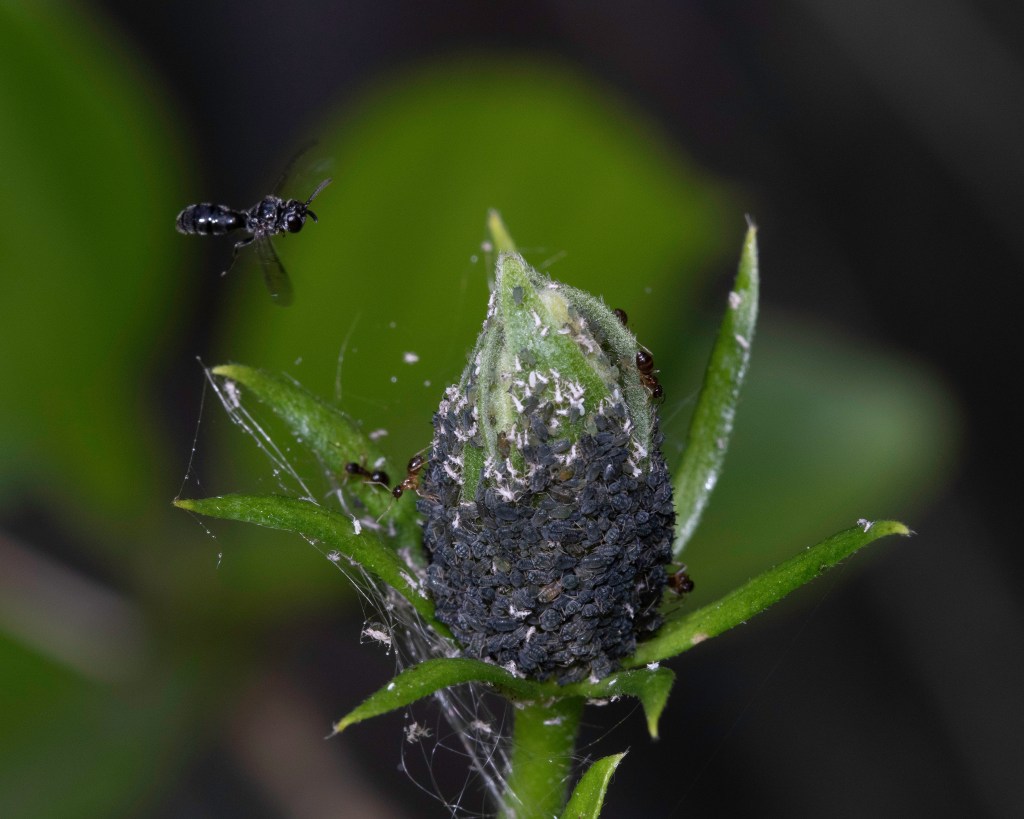
[00:42:48] Michael Hawk: Yeah. And anytime aphids come up for me, it’s a dangerous subject because I think aphids are really cool too. And all the specializations the plant specific. Special specializations that they have there’s, there’s a photo I’ll make sure I put in the show notes where I found, I don’t even remember which plant it was, but I found a mass of aphids.
[00:43:07] on a plant. And I think it was Argentine ants, though it may have been different ants that were protecting these aphids. And while I was watching with my camera, thankfully, I an aphid wasp came and it was buzzing around the aphids and the ants, when the wasp would get too close, they would rear up and start to wave their legs around.
[00:43:30] I guess probably signaling to the aphid wasp, get away, we’re here.
[00:43:35] Chloe Jelley: Yeah, yeah. Yeah, they’re very good like, yeah, defenders of their mutualists. So I talked about this before with the plant mutualism. Like, ants are very good at defending themselves and their resources. So the aphids are a resource to them. So they’re gonna make sure that they can, they can keep them safe and keep them near.
[00:43:54] Michael Hawk: I’m assuming then that like a, an ant that specializes in seeds, like a harvester ant, isn’t really going to care much for the aphids. Is that true? Are there certain types of ants that are more likely to? find and defend and protect aphids.
[00:44:10] Chloe Jelley: Yeah, that’s definitely, definitely the case. I’m not entirely sure about the harvester ants. I don’t want to say anything that’s accidentally incorrect, but their ants are also like pretty good at even though we have such specialized examples of ants a lot of ants are pretty generalist too.
[00:44:25] So some ants, and they can be omnivores and predators, and some ants are even herbivores. They don’t eat any. Other insects, but a lot of ants are omnivores. They have like this variation in their diet. So ants will tend aphids, but also scavenge for animal parts. Or they will, like an example is Eurydomyrmex, the genus.
[00:44:47] I study there’s a species that will tend aphids up in the trees, but also, like, they have the nickname of meat ants because farmers would lay carcasses next to the ant colony and the ant colony would strip the dead animal carcass within hours. So they’re just opportunistic feeders a lot of the times, like, to speak, most generally about ants, I would say they’re omnivores and opportunistic.
[00:45:11] Michael Hawk: Okay. Makes sense. Yeah, if, the food is just sitting there for you in the form of an aphid excreting honeydew, it’s hard to pass that up.
[00:45:19] Chloe Jelley: yeah.
[00:45:21] Michael Hawk: If you’re an ant, if you’re a human, maybe, maybe not. But so the you had mentioned to me when we were, corresponding before this interview about the And probably, let me, I may have to pronounce this a couple times, erudo, erudo myrmex. And how you had been studying them and I I found an article, maybe you sent it to me, in fact, I don’t recall, about ritualized fighting in one of the species. Are you familiar with that? I’m hoping, I’m hoping you know what I’m talking about because I, it’s, this is like deep in the recesses of my brain.
[00:45:51] I don’t remember the details. Can
[00:45:54] Chloe Jelley: yeah, so this kind of gets back a little bit to what I was talking about before where it with ant colonies like often the same species is like your largest competitor and oftentimes like in pavement ants this could escalate into territorial wars but what we see in some species of ants. And specifically, in this case, Iridomyrmex, they have these more ritualized fights that are basically fighting without actually risking injury it’s basically like a display like, my colony is here, and this is like our area, and Sometimes it will, like, escalate to a territorial war, but it’s so uncommon that, , this is, like, a great strategy to avoid that conflict, so, studying aggression in ants is so interesting because they, no, no organism wants to enter an aggressive interaction in normal cases, like, all organisms are trying to protect it. their selves, their colony. And if you’re involving yourself in an aggressive interaction, that’s also putting yourself at risk. So this ritualized fighting takes away, the risk impact of, like, defending your territory in a way. And it’s, I think it’s seen in a few other ants, too, but very well described in Neurotomormax.
[00:47:13] Mm
[00:47:14] Michael Hawk: you tell me a little bit about like what happens? I, I recently had a guest on who was talking about bears and how grizzly bears, brown bears will sometimes do a little bit of a ritual to try to avoid the fight. And more often than not, they avoid fighting.
[00:47:28] Uh, and there’s a process that they go through and it’s pretty standard, from, from bear to bear.
[00:47:35] Is that what you’re seeing here with these species?
[00:47:38] Chloe Jelley: Yeah, yeah, it’s, it’s, it’s basically, yeah, like a standardized, , display that you would imagine. So they a lot of ants have like these, this mandible gaping that they do that, warns the other ant that, like, This could be a fight, and ants kind of exhibit these behaviors that kind of escalate to a fight.
[00:47:58] they start off initially by like, yeah, like taking in, that stimulus taking in the opponent or whatever it is. So they have like their antennae, they have their eyes, they’re taking in that information. From then on, it could escalate.
[00:48:13] the antennae, the sensory stage is really to be like, okay, are you, are you a nest mate? ants don’t know like each other, like individually, like, they can recognize when, something is an estimator versus not. And then it kind of escalates to like, mandible gaping, which is like this display of, I guess they’re biting, like a display of what’s to come if it continues.
[00:48:37] And then they can grab each other in a way that may not lead to like actual bitings. They’ll grab with their mandibles. And then at that point, it de escalates if it’s like a ritualized fighting. there’s like a backing off, there’s
[00:48:53] Michael Hawk: It’s like when my cats are wrestling around. Usually they back off at that point. Sometimes it escalates to biting.
[00:48:59] Chloe Jelley: yeah, yeah, it’s like, yeah, it’s I think that’s why like behavior can be so interesting too, because something like insects can, you can find some commonalities in other animals too, of like, things don’t want to fight typically, in fact, never really. these ants have developed so that they’re not constantly in these territorial wars with each other and they can co exist in this space
[00:49:24] Michael Hawk: and that actually reminds me when you were talking about the, the pheromones and, and sort of like, in this case, the, the tactile determining if If this other ant is an adversary or part of their colony, like I’ve seen when there’s a a line of ants and there’s ants going in both directions, occasionally two ants going in opposite directions, stop.
[00:49:45] And it’s like, they touch each other a little bit. And is that what they’re doing? Are they just like checking in? Are you one of us sort of thing? Some other, are they communicating something differently?
[00:49:55] Chloe Jelley: Yeah, yeah, that’ll be them. Definitely they’ll be like, what I call this is like antonation. So they’re basically sensory processing and ants have these things. I haven’t even mentioned this yet, but ants have these things called cuticular hydrocarbons, which are these chemicals on their cuticle.
[00:50:11] that kind of, they can signal to other ants of like, oh, , are you one of us or are you one of them? And that’s them checking. Because like I said, they just don’t know. They don’t know like, Every individual ant they walk into, they have these, these checks that they go through to make sure, nothing is sneaking into the colony because there’s a lot of there’s a lot of insects and things that sneak into ant colonies and can get past these checks, which is super interesting and, like, sneak in and steal brood and get out and they’re trying to avoid that as much as possible.
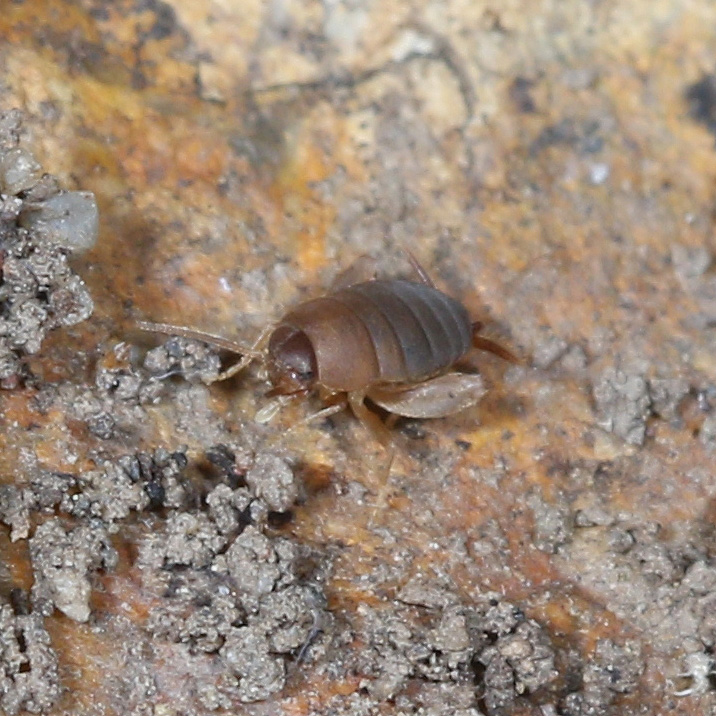
[00:50:43] Michael Hawk: Well, actually I wanted to ask you about something I saw. . So when I was picking up one of those rocks in my backyard, I found what is commonly called an ant cricket that was in there with an ant colony. Are you familiar with the ant crickets?
[00:50:58] Chloe Jelley: A little bit. I, I’m familiar with ant, like mimics in general. So,
[00:51:05] Michael Hawk: yeah,
[00:51:06] So like, like from a visual standpoint, they don’t look anything like an ant, but somehow they’re able to escape detection in the colony. So we don’t have to talk about them specifically, but general, like what, what. I assume there’s a co evolutionary arms race in a way going on here where maybe they’re replicating some of these I forgot what you called them.
[00:51:25] I kept wanting to say hydrocarbon, but that wasn’t the term.
[00:51:29] Chloe Jelley: the, yeah cuticular hydrocarbon. So you had half of it. Yeah.
[00:51:33] Michael Hawk: Okay. You know, Or is there something else going on that allows some of these insects to actually sneak in, in this way?
[00:51:40] Chloe Jelley: Yeah. So there’s, there’s actually a few different strategies, so there’s not a single answer for this too. So yeah, like some, some animals can mimic the, or at least partially mimic some of the cuticular hydrocarbon signals that ants are getting that allow them to slip in or pass detection. There’s like spiders that do this, there’s beetles, crickets there’s a, there’s a lot of, there’s a lot of them also their motivation for doing so is interesting, some organisms are trying to sneak into the ant colony to take the brood, some organisms just don’t want to be detected.
[00:52:15] And these are often, like, organisms that live near, like, army ants, they’re nomadic army ant colonies. They move through the forest. And they just, they’re so large and, they cover so much ground that they can just move through the tropical rainforest and leave a path of destruction behind them.
[00:52:36] So there’s a lot of organisms that have developed ways to not be detected by these army ants to like sneak, sneak through them.
[00:52:46] Michael Hawk: Yeah, I, and my understanding, I could be wrong. I’ll try to fact check myself later is that those ant crickets, and again, I have pictures that I’ll include in the show notes for some of these things we talked about, but I think that they are just using. The ant colony for protection. They aren’t there to do anything devious
[00:53:04] Chloe Jelley: Yeah,
[00:53:04] Michael Hawk: ants.
[00:53:05] Since time is short. Do you have any like anecdotes or encounters like from your time in the field, or it could even be in the lab, like some interesting behavior that just surprised you or blew your mind in some way.
[00:53:18] Chloe Jelley: that’s a good question. And a few things pop into my head and I’ll pick, I’ll pick one. so I was talking about, I work on Iridomyrmex in Australia and I was able to go do field work on these colonies and do some behavioral tests. So I was out there observing them for a while. And.
[00:53:37] These colonies are like really large too. They have multiple mounds and they’re so large that, and their bodies are so large that , if you’re sitting there, you can hear the ants walking along like the leaves. It’s really cool. But there’s also like a lot of other ant species living in proximity to the nest.
[00:53:56] So there’s these large ants in Australia called bulldog ants. And they’re really.
[00:54:02] Michael Hawk: I’ve heard of
[00:54:03] Chloe Jelley: Yeah, from a human perspective, they’re very scary ants. Actually, they can track you with their eyes. They have very large eyes. it’s a species of ants where you’re, you’re standing there and you can see that they’re watching you because their head is moving along with you, which is unnerving for an insect. But I noticed that there was a bulldog ant nesting near the meat ant colony. And I thought it was cool that they’re living so close together. Especially cause a bulldog ant is a potential predator for these meat ants. And I was sitting, I was just watching the ants walking past each other.
[00:54:37] And I noticed this meat ant pick up a pebble and like throw it down the colony entrance of the bulldog ant nest. So it was picking up the pebbles and throwing it into like this ant nest. And I thought it was So funny because it seems like such like a petty like act to be like, oh, like I hate my neighbor.
[00:54:57] I’m gonna throw, I’m gonna throw a rock like in their nest entrance. And I don’t entirely know, I assume like the behavior is they want that colony to like not be there anymore. They are like trying to be a nuisance. They’re trying to fill up that colony. But it was such like a petty little.
[00:55:16] Behavior that it made me laugh a little bit and I can send you the video of it afterwards actually but yeah, I couldn’t I couldn’t really believe it when I first saw it, too I was like is it it’s throwing throwing pebbles in into this nest Like that’s what this individual ant is choosing to do with its time
[00:55:36] Michael Hawk: That is funny. It’s like, yeah, just be enough of a nuisance that maybe they’ll move along.
[00:55:41] Chloe Jelley: Yeah
[00:55:41] Michael Hawk: Until that one day when they’re like, I’ve had enough and the bulldog,
[00:55:45] Chloe Jelley: Yeah
[00:55:47] Michael Hawk: who knows has that behavior been documented before? That sounds like a pretty novel thing to see.
[00:55:54] Chloe Jelley: Yeah, it’s it has been documented once or twice. Again, I think it’s just ant researchers just noticing this in the field. I don’t think it’s been, like, looked into, but that’s, I think, a lot of ant behavior, too, is, we know that this thing happens sometimes, and, in a perfect world, I think we’d have, thousands of people sitting and watching ants every day and observing all their behaviors and publishing it and for everyone to see.
[00:56:20] But yes, that’s why it’s so cool that we have things like iNaturalist and, , people who, , do ant keeping as a hobby, , have, like, provided so many cool, , natural history behavior observations for the scientific community to then, , Notice like, hey, this is actually a widespread behavior that we should look into more.
[00:56:37] It’s a really cool exchange, I think, between like people who are just very interested in the natural world, contributing to scientific knowledge. I think that’s definitely one of the upsides to like things being online and things being accessible to everyone.
[00:56:52] Michael Hawk: So I, I like your vision of a perfect world of people observing nature and specifically observing ants. So maybe springboarding a little bit off of that. If you could magically impart like one ecological concept to help the general public see the world like you see it, what would that be?
[00:57:10] Chloe Jelley: I think it would just be the importance of insects in general for like our ecosystems ants especially because I’m a little bit biased, but I think Things like honeybees get a lot of, a lot of credit and they do a lot. But even just, if you’re just talking about pollinators, there’s flies that pollinate, there’s butterflies that pollinate.
[00:57:29] So like just how important insects are. I think no matter how much I feel like it’s talked about, I just, I still think it’s breezed over, the understanding of how integrated they are with, especially like our plants, ,
[00:57:42] Michael Hawk: Mm-Hmm.
[00:57:43] Chloe Jelley: plants are easy to overlook because they’re everywhere.
[00:57:46] But plants and insects and they’re so integrated. insects form like the base of a lot of, they’re the bottom of the food chain in a lot of cases. they feed a lot of other things too. So.
[00:57:58] Michael Hawk: They’re like the primary interface between. The, energy producing plants and the rest of the food web. So absolutely that’s music to my ears. And, and a big part of what we try to do with nature’s archive is show people that connection. And also thinking back, do you have any top of head events or, could be a mentor or an encounter or a book you came across or something like that, that really stands out to you is escalating your interest in ants or the natural world more generally.
[00:58:32] Chloe Jelley: I think thinking about like, the natural world in general and like how , my interest was peaked in that, I would say , and this is reflected by my interest in behavior in general, is reading Jane Goodall’s book In the Shadow of Man, where she’s just sitting and observing the chimpanzees for, hours in the rainforest.
[00:58:51]
[00:58:51] Chloe Jelley: that’s on a different scale. What I have done with ants just sat and watched them for many hours. And I’ve learned so much from that. So I think , I don’t even think I would have thought to do that if I hadn’t read that book. I think I read it in like high school. And then, building off that, I wouldn’t have been interested in ants if my undergraduate research mentor hadn’t pushed me to learn more about them.
[00:59:14] what I thought was just. a small, research experience turned into, like, a life changing event, and it became, like, a passion for me, so.
[00:59:24] Michael Hawk: If somebody listening wants to try their hand at observing ants, what would you recommend they do?
[00:59:29] Chloe Jelley: Well, the cool thing about ants is that they are everywhere, so, all you really have to do is go in your backyard, but if you’re looking for a few, like, surefire ways to find ants, like you said, like, flipping rocks, is great. you may disturb a colony, but as long as you put the rock back, , another colony can move in, and it will.
[00:59:49] just going and sitting, and if you see an ant walking, you can follow it back to its colony, and you’ll probably find exactly where it lives. Yeah. It’s a really cool way to experience how they’re moving through the world, too. But
[01:00:03] Michael Hawk: A lot of ants are nocturnal as well, right?
[01:00:07] Chloe Jelley: yeah, quite a few, but plenty are, plenty are around during the day. But yeah, there are a few that are nocturnal, but yeah,
[01:00:17] Michael Hawk: I know we’re short on time, but just real quick, I, I have a friend who, researched ants as part of her doctorate and she will periodically put out little like sugar water rings on paper to see which ants. show up. And and I thought that was an interesting thing.
[01:00:34] That’s how she surveys her property. Anyway, that’s one of the ways, anyway.
[01:00:38] Chloe Jelley: yeah, yeah. Setting out baits is, yeah, a great way, and I have done, like, a few, , outreach like, activities where, I think for kids, , this is great, too. You can have, your own little experiment, basically, and you can set out a few different baits, like one can be fish, one can be sugar water, one can be, I don’t know, whatever, whatever you come up with, and then you can see which ants are attracted to which bait, and that can, lead to, like, learning more about, , what ants, what food do ants like, preferences, different needs.
[01:01:09] Michael Hawk: hadn’t taken it to that level, but that, that sounds like a fun thing. Not just for kids, but for, for people like me.
[01:01:15] Chloe Jelley: Yeah, for anyone, yeah. I like to do it, so, yeah.
[01:01:19] Michael Hawk: So do you have any upcoming projects or papers or anything like that that you’d like to highlight that I could point people towards?
[01:01:26] Chloe Jelley: I guess I don’t have one thing in particular I’m currently working on my dissertation work, so that’s going to result in a few different publications, I currently do have two ant papers. That you can find it on, like, if you search on Google Scholar, search for my name, Chloe Jelly.
[01:01:43] It should pop up. But yeah, like, our lab here at Cornell, the Moreau lab is a great group of people researching ants and actually social insects generally in a lot of cool ways. We’re kind of a, a diverse group of researchers in terms of we’re looking at a very wide range of things concerning ants.
[01:02:03] So, if you want to check out our lab website, that’d be cool too.
[01:02:07] Michael Hawk: Great. So, so there’s the lab website. I’ll make sure to link to that and I’ll, I’ll try to make it easy for people and find your, publications and link directly in the show notes.
[01:02:15] Chloe Jelley: But then I also have, a website too, that I can. Send along to you.
[01:02:19] Michael Hawk: And one quick aside, Chloe let me know after we recorded this episode that she is on BlueSky now as well. If you’re unfamiliar with BlueSky, it’s a bit like Twitter, so I’ll make sure to link to that in the show notes too.
[01:02:30] . Well, , before we hang up for today, is there anything else that you think maybe we missed or that you wanted to talk about, or, like I said, we could always do a part two someday in the future too,
[01:02:39] Chloe Jelley: Yeah. Yeah, I would certainly be open to that. yeah, no, I think, I think we’ve had a cool conversation. It’s been any time I get to just blabber about ants for a long period of time is time well spent. So,
[01:02:52] Michael Hawk: but great. So, Chloe, thank you so much for for doing this, for making the time. I appreciate you and the work that you’re doing. hopefully we can chat again someday.
[01:03:01] Chloe Jelley: Yeah, thank you. Thank you so much for inviting me to do this. This has been really cool.
 Nature's Archive Podcast